The Crypt Church
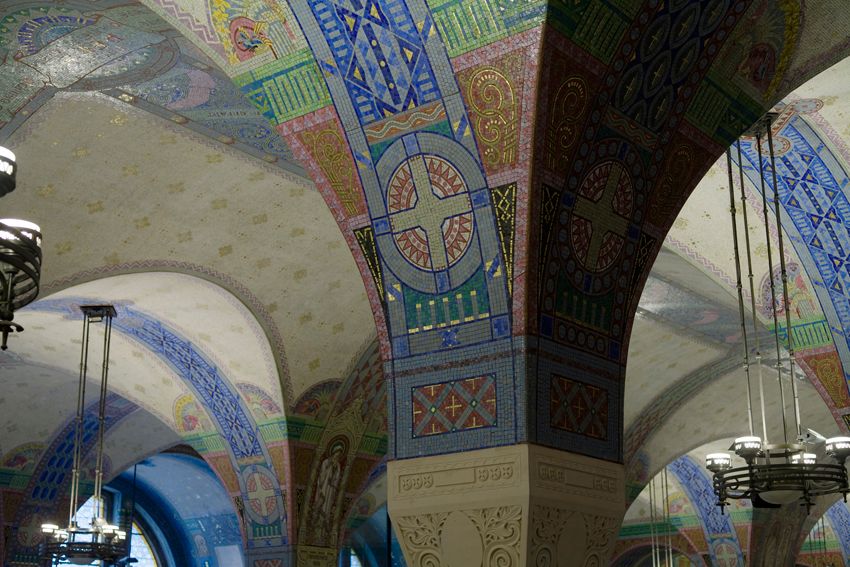
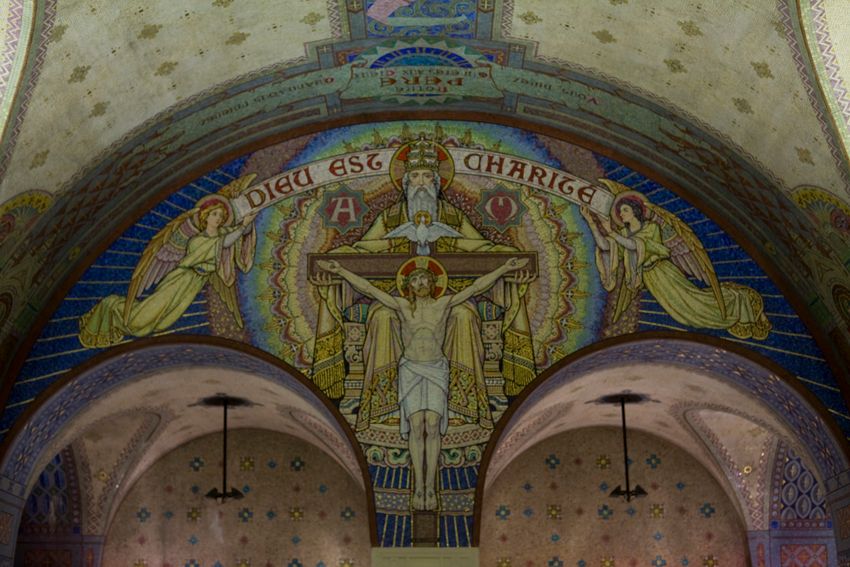
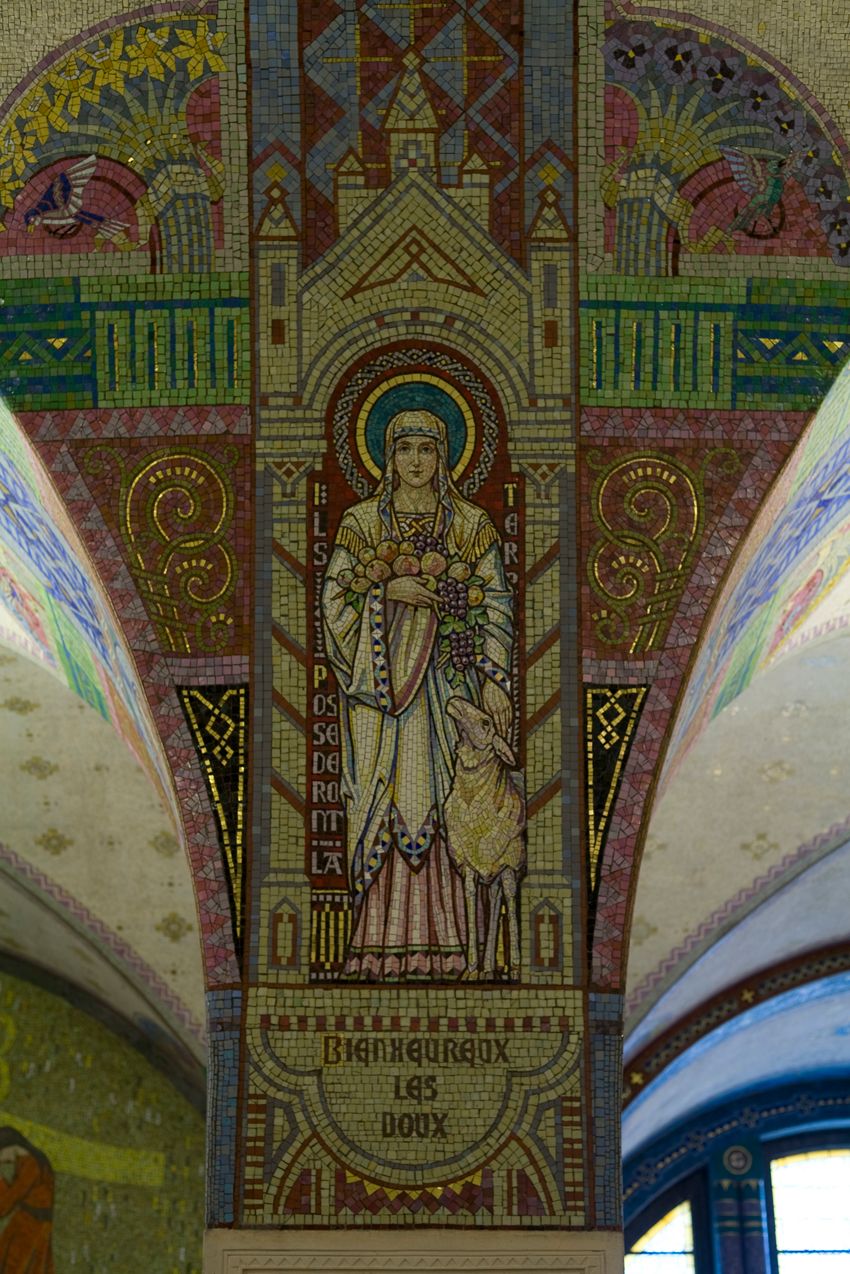
Lower level, beneath the main basilica The crypt contains the main pilgrimage altars and the intimate devotional spaces where pilgrims most commonly kneel.
 Pilgrimstays
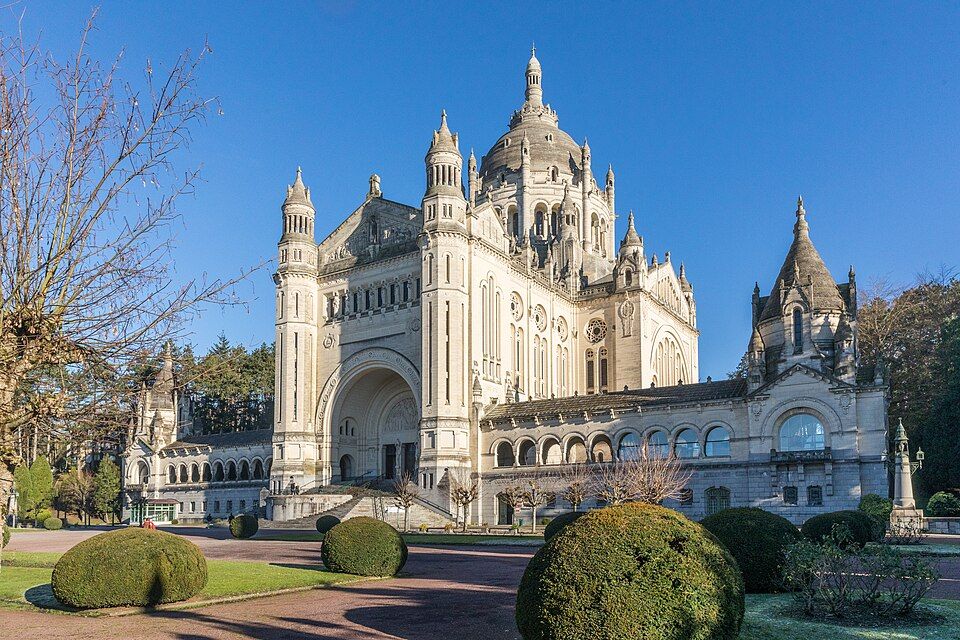
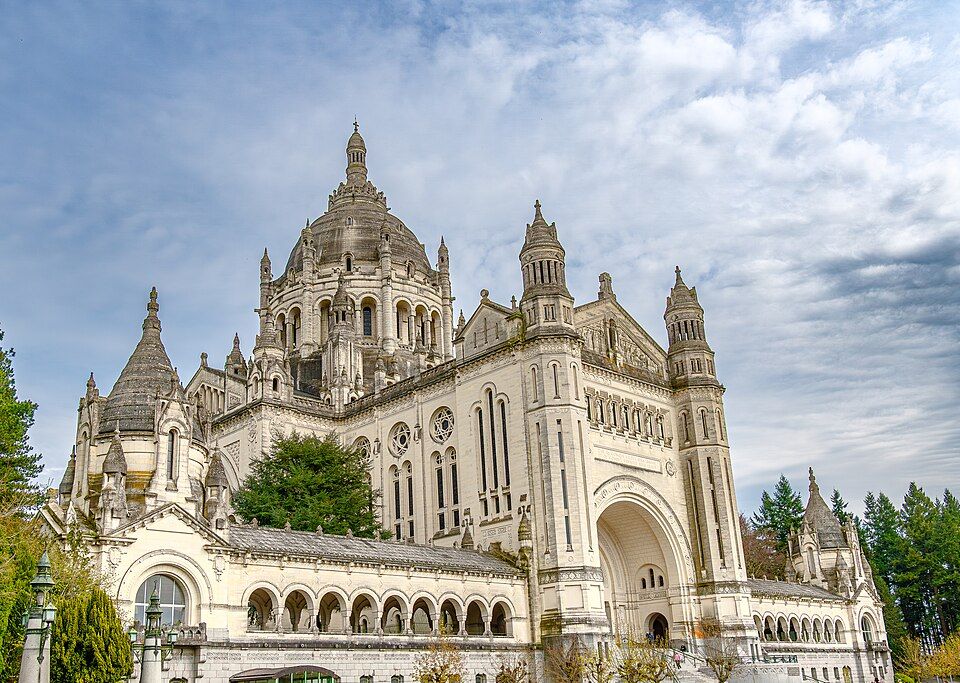
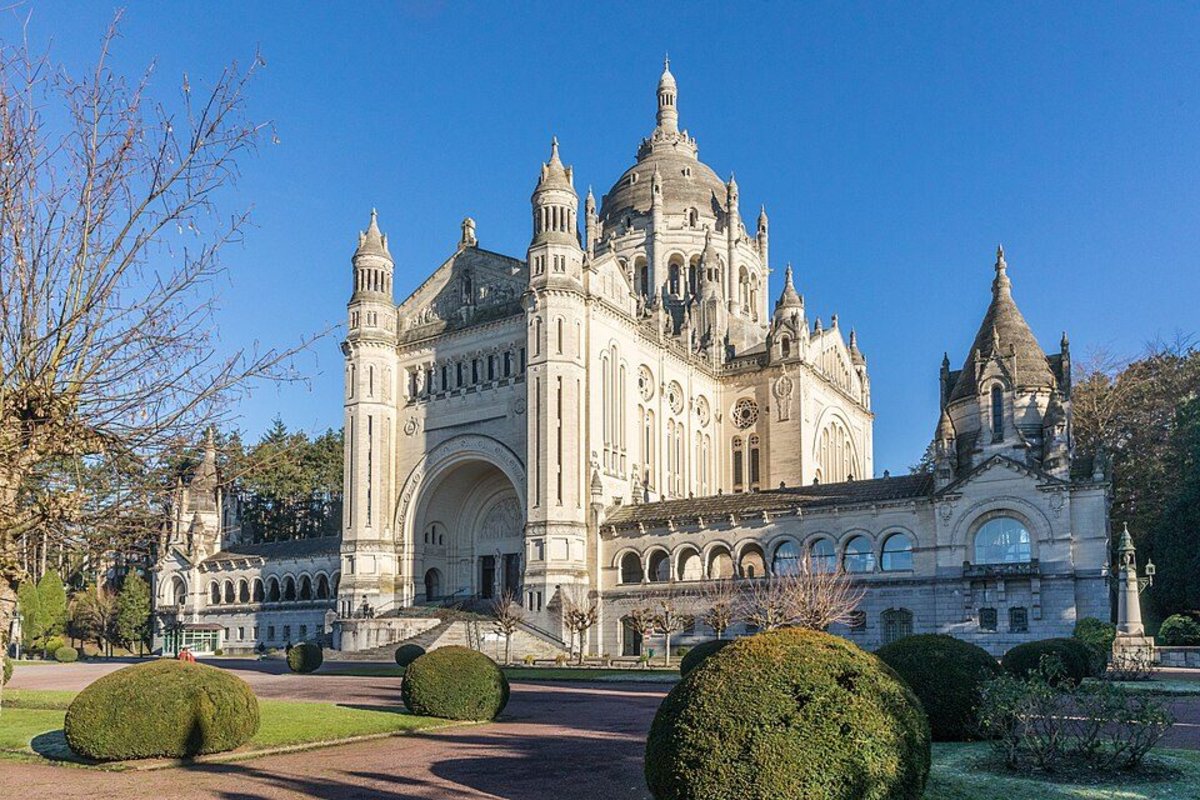
The Basilica of Sainte-Thérèse in Lisieux, Normandy, is France's second most visited pilgrimage site after Lourdes, receiving approximately two million pilgrims per year. It is dedicated to Thérèse Martin — St Thérèse of the Child Jesus, the Little Flower — who was born in Lisieux in 1873, entered the Carmelite convent at 15, died of tuberculosis at 24, and was declared a Doctor of the Church by Pope John Paul II in 1997, one of only 37 in Catholic history and one of only four women. Thérèse's spiritual teaching — the Little Way — is among the most influential in modern Catholic spirituality. It holds that holiness is available to ordinary people in the ordinary events of daily life, through small acts done with great love. Her autobiography, The Story of a Soul (published posthumously), has been translated into 60 languages and is among the most widely read Catholic books of the 20th century. The Romano-Byzantine basilica, begun in 1929 and consecrated in 1954, stands on a hill above the town, its domes visible from the surrounding Normandy countryside. The lower crypt church contains the main pilgrimage altars. The Carmel of Lisieux — the convent where Thérèse spent nine years — is a few hundred metres away, with her cell preserved, and her relics are in a golden reliquary there and in the basilica.
One of only 37 Doctors of the Church — and one of only four women to hold this title
France's second most visited pilgrimage site after Lourdes — approximately 2 million visitors per year Thérèse died at 24 years old, having entered religious life at 15 — one of the youngest Doctors of the Church The Story of a Soul, her autobiography, has been translated into over 60 languages Her reliquary tours the world — drawing millions who cannot come to Lisieux itself
Lower level, beneath the main basilica The crypt contains the main pilgrimage altars and the intimate devotional spaces where pilgrims most commonly kneel.
In the basilica and at the Carmel Thérèse's remains are distributed between the basilica and the Carmel of Lisieux. A golden reliquary contains bones; another reliquary the arm.
it has visited nearly every continent, drawing massive crowds in countries from India to the USA.
350 metres from the basilica The Carmelite convent where Thérèse lived for nine years is open to pilgrims. Her cell, the chapel where she prayed, and the cloister where she walked are preserved.
communicates exactly what the Little Way is about. The Martin Family Home (Les Buissonnets) — In Lisieux town The bourgeois family home where Thérèse spent her childhood, now a museum, is well worth visiting before the basilica. Understanding the entirely ordinary world from which she came makes the extraordinary quality of her holiness more comprehensible.
Hills around Lisieux [OUTDOOR] The basilica stands on a hill above the Normandy town, its domes visible for kilometres across the rolling countryside.
was the world Thérèse knew, and its ordinariness is the setting of the extraordinary story. Walking the hill to the basilica across the Normandy fields is a gentle pilgrimage in itself.
Thérèse Martin entered a Carmelite convent at 15, got sick at 22, and died at 24, having never left Lisieux. She wrote her autobiography in between bouts of tuberculosis, on the instruction of her prioress, with a stub of pencil in failing hands. After her death, her sisters almost didn't bother to print it. The book has since been translated into 60 languages. She is a Doctor of the Church. This is the Little Way: small things done with great love are the most powerful things in the world.
The Basilica of Sainte-Thérèse in Lisieux, Normandy, is France’s second most visited pilgrimage site after Lourdes, receiving approximately two million pilgrims per year. It is dedicated to Thérèse Martin — St Thérèse of the Child Jesus, the Little Flower — who was born in Lisieux in 1873, entered the Carmelite convent at 15, died of tuberculosis at 24, and was declared a Doctor of the Church by Pope John Paul II in 1997, one of only 37 in Catholic history and one of only four women.
Thérèse’s spiritual teaching — the Little Way — is among the most influential in modern Catholic spirituality. It holds that holiness is available to ordinary people in the ordinary events of daily life, through small acts done with great love. Her autobiography, The Story of a Soul (published posthumously), has been translated into 60 languages and is among the most widely read Catholic books of the 20th century.
The Romano-Byzantine basilica, begun in 1929 and consecrated in 1954, stands on a hill above the town, its domes visible from the surrounding Normandy countryside. The lower crypt church contains the main pilgrimage altars. The Carmel of Lisieux — the convent where Thérèse spent nine years — is a few hundred metres away, with her cell preserved, and her relics are in a golden reliquary there and in the basilica.