Christ the Redeemer
Site · Other

Christ the Redeemer

Rio de Janeiro, Brazil

"Christ the Redeemer stands at the summit of Corcovado mountain, 710 metres above Rio de Janeiro, with arms ..."

Highlights

  • 1Declared one of the New Seven Wonders of the World in 2007 The outstretched arms span 28 metres — a gesture of embrace over a city of 7 million people A small chapel at the base has celebrated marriages, baptisms, and Mass since 2006
  • 2The statue is struck by lightning more than six times per year on average Inaugurated on October 12, 1931 — the feast of Our Lady of Aparecida, Patroness of Brazil

Getting There

📍

Address

Parque Nacional da Tijuca, Estrada das Paineiras, Rio de Janeiro, Brazil

🗺

Directions

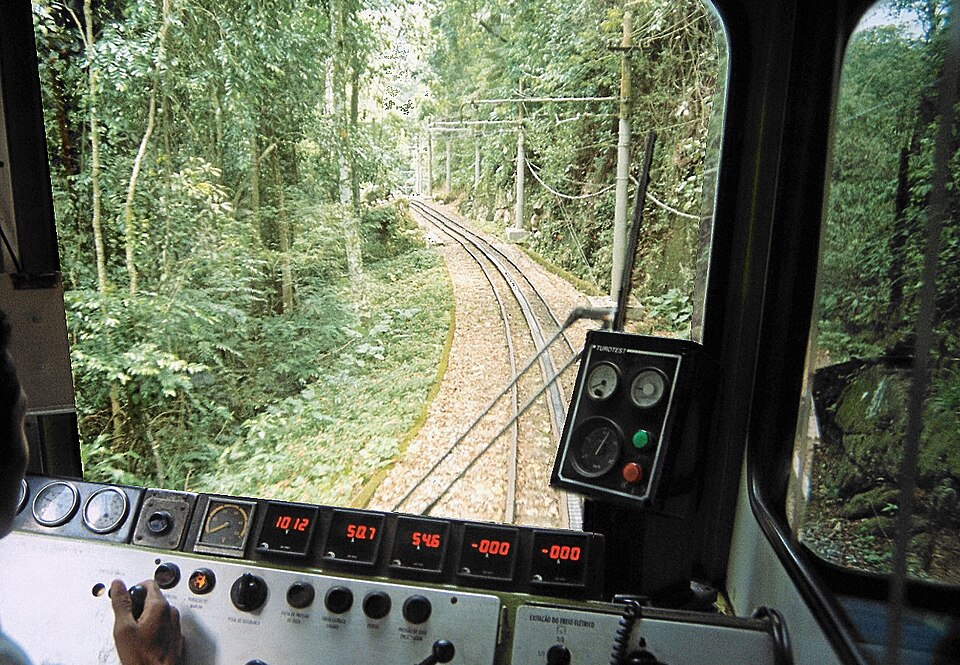
Corcovado train from Cosme Velho station (30-minute scenic train ride through Tijuca Forest — the recommended approach). Alternatively, van services from Largo do Machado and other points. Summit is 710m above sea level — warm and sunny below, cool and misty above.

Open in Google Maps

Timings

Current time — Sao Paulo Time (BRT)

--:--:--

WhenHours
Monument8:00 AM - 7:00 PM

daily Chapel Same hours; Masses at specific times Pre-booking of train/van tickets online recommended. The summit is frequently in cloud, particularly in mornings — late afternoon often clearest. Modest dress required for the chapel. Photography is unrestricted.

Masses & Events

Summit Mass

Sundays 11:00 AM at the chapel

Regular Sunday Mass in the shadow of

Our Lady of Aparecida

October 12

Special Mass marking the inauguration anniversary

Christmas and Easter Masses

December 25, Easter Sunday

Major feast celebrations at the summit chapel

Must See

1

The Summit View

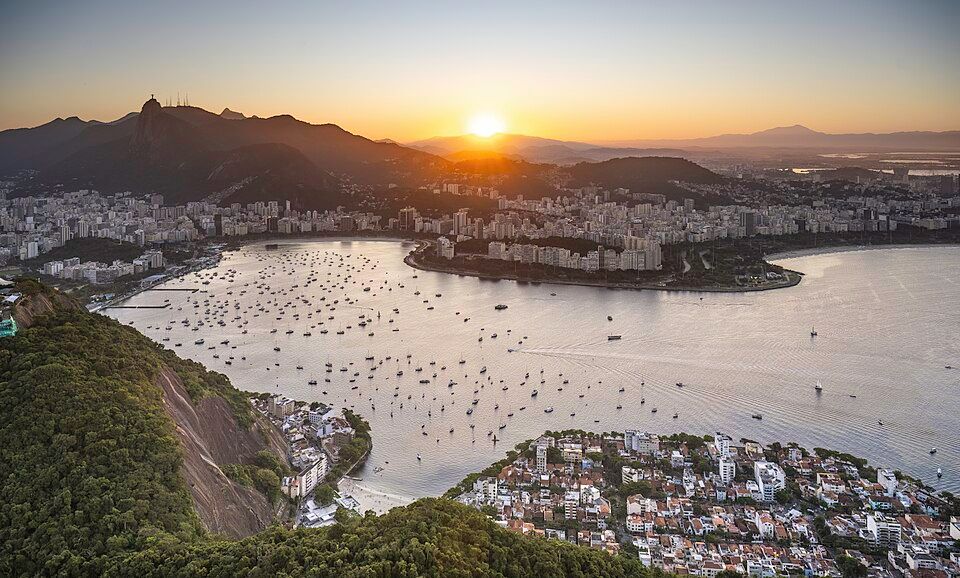
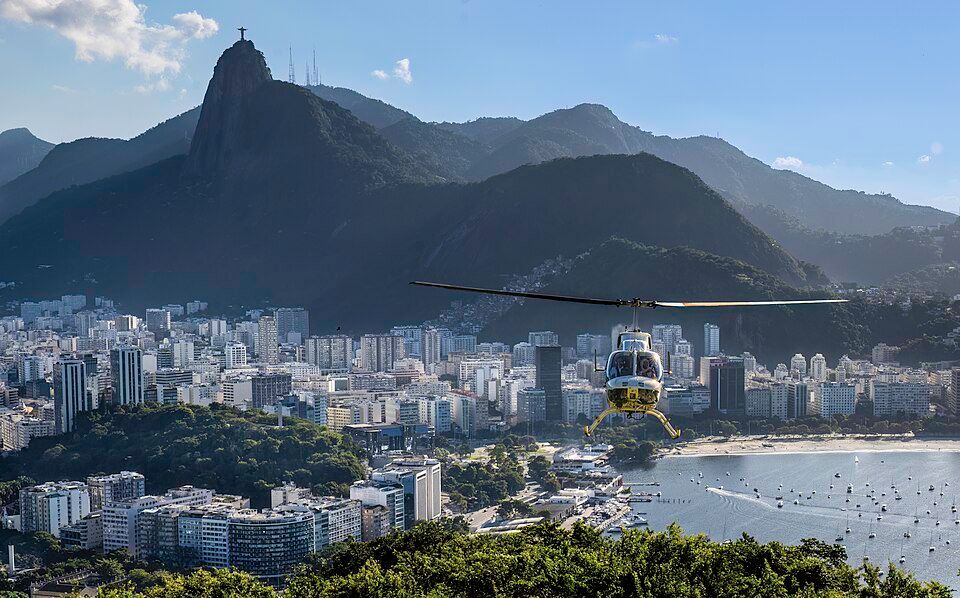
From the observation terrace [OUTDOOR] The 360-degree view from the Corcovado summit takes in the full sweep of Rio de Janeiro: the beaches of Copacabana and Ipanema, Sugar Loaf Mountain in the bay, Guanabara Bay with its islands, the Tijuca Forest covering the mountains, and the city spreading from ocean to hills. On clear days the view extends 100 km. The statue stands above all of it, arms open.

2

The Statue Close-Up

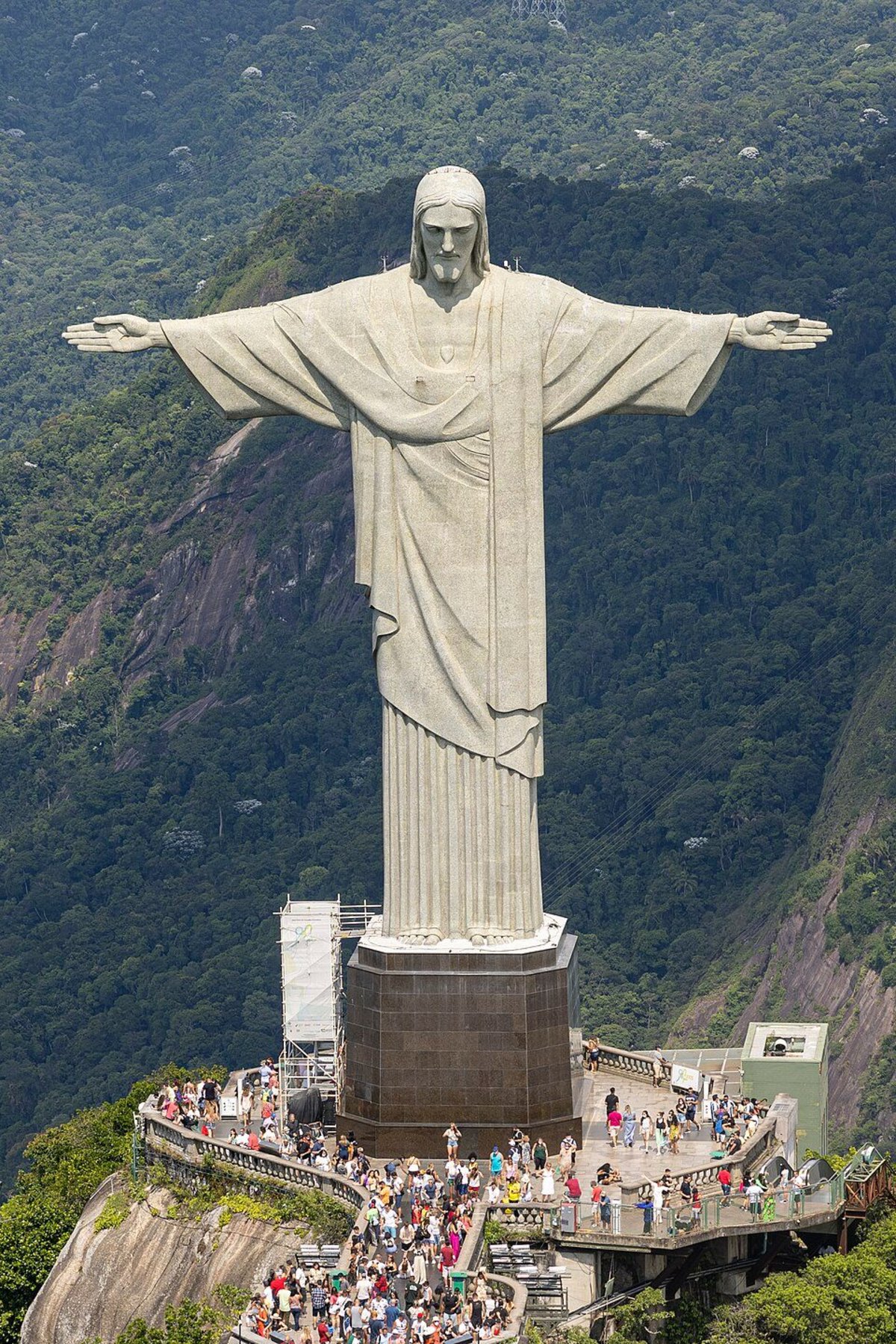
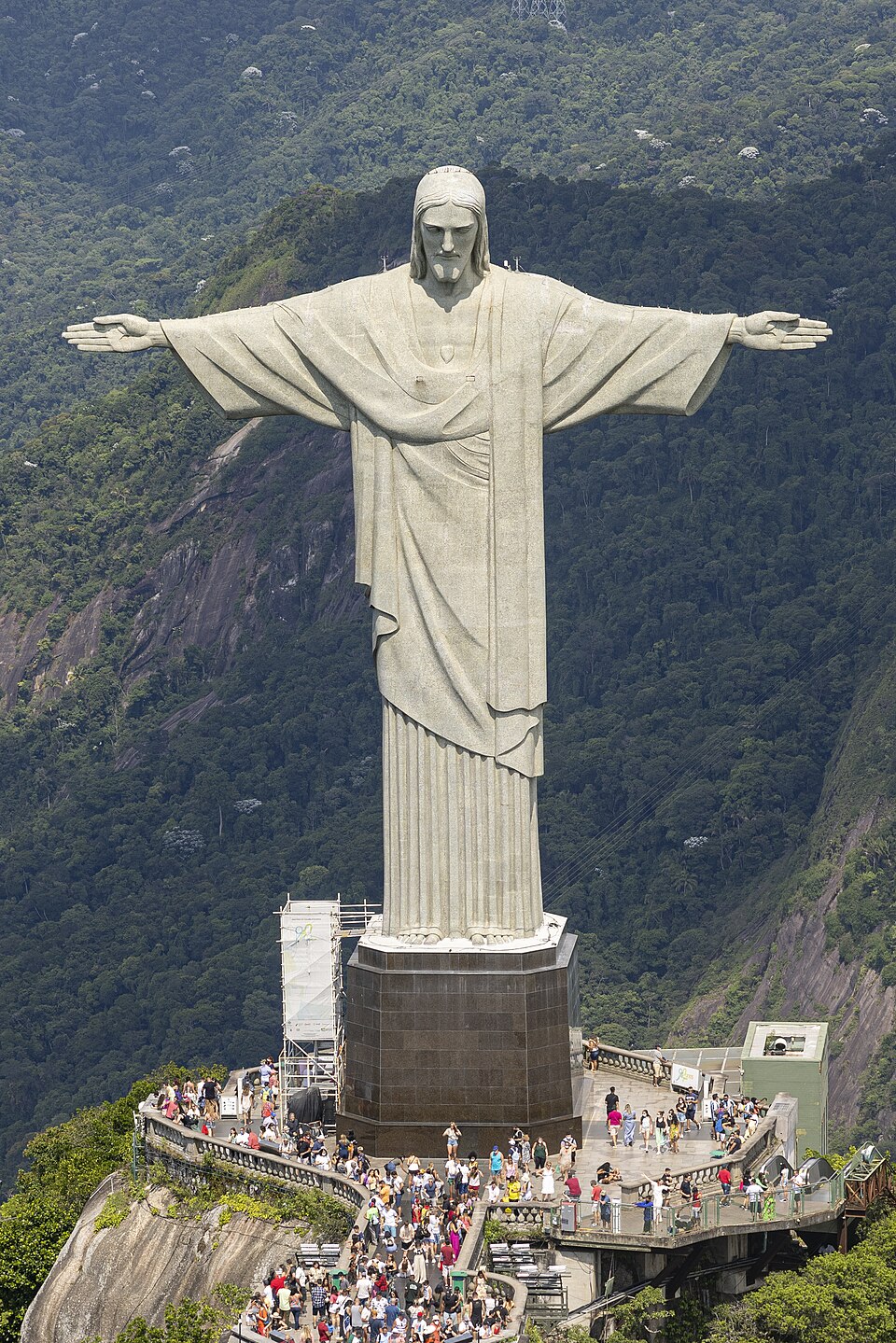
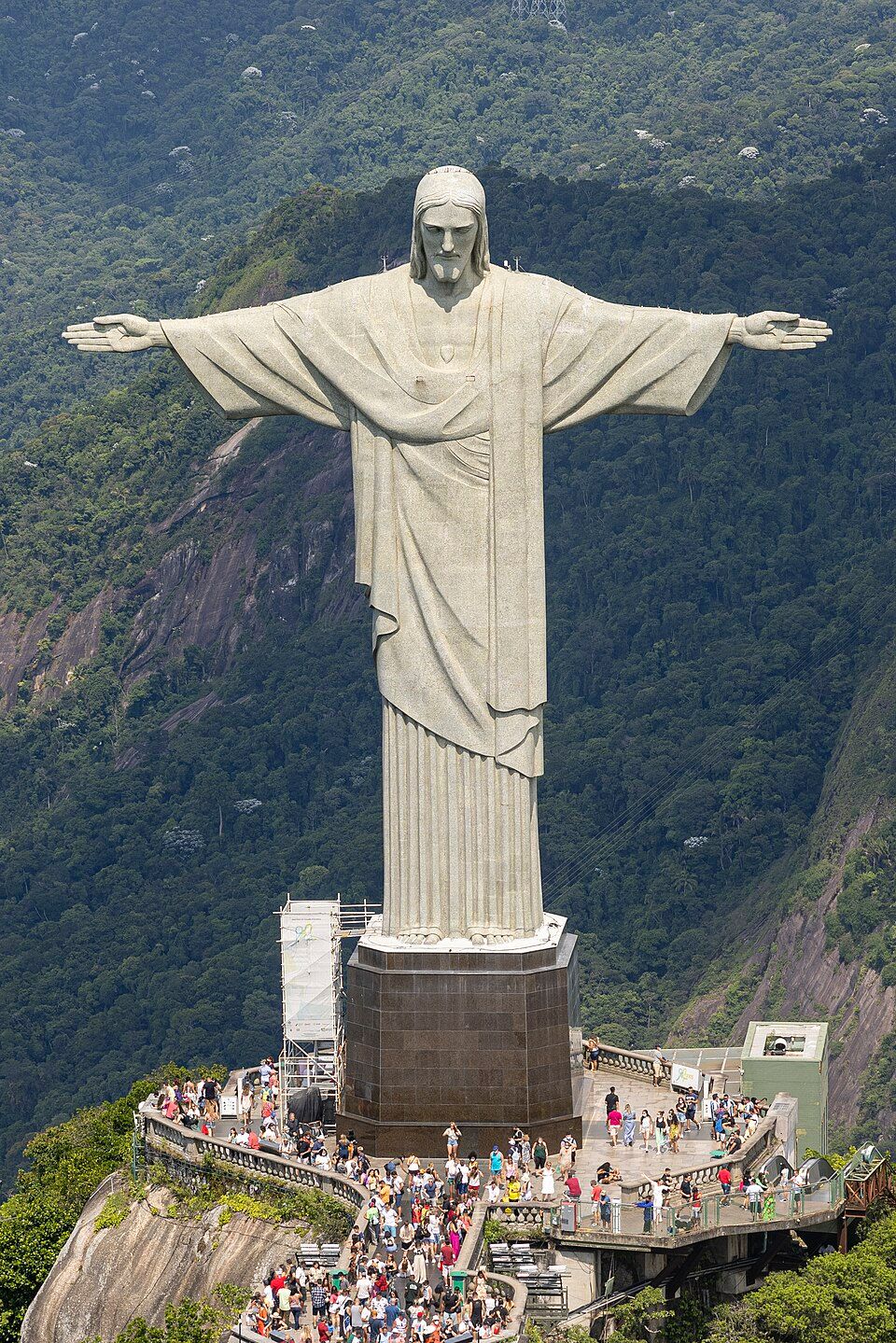
At the statue base [OUTDOOR] From directly below, with the arms spanning 28 metres above and the head at 38 metres, the scale is overwhelming. The textured soapstone surface, the face looking toward the horizon, the feet on the stone plinth

the figure is simultaneously monumental and human. The outstretched arms cast a shadow that moves across the city with the sun.

3

The Chapel of Our Lady of Aparecida

At the base of the statue The small semicircular chapel, inaugurated by Pope John Paul II in 1980 and reopened in 2006, is where sacramental life happens at this monument. Couples marry here. Children are baptised here. Mass is celebrated here each Sunday. The combination of the chapel and the statue above makes Christ the Redeemer the most unusual parish in Brazil.

4

The Corcovado Train Journey

From Cosme Velho to the summit [OUTDOOR] The 30-minute rack railway journey through the Tijuca Forest is itself a memorable experience.

5

The forest

one of the largest urban forests in the world

closes in on either side. The train climbs steeply. At the top, emerging from the forest into the open summit, the first view of the statue against the sky is a moment of genuine arrival.

6

The Night View

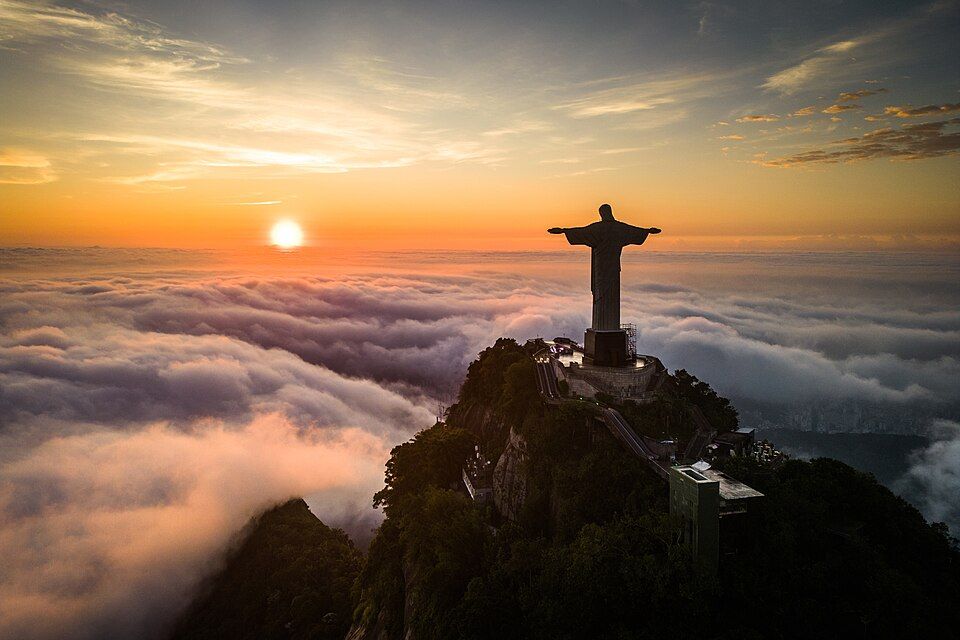
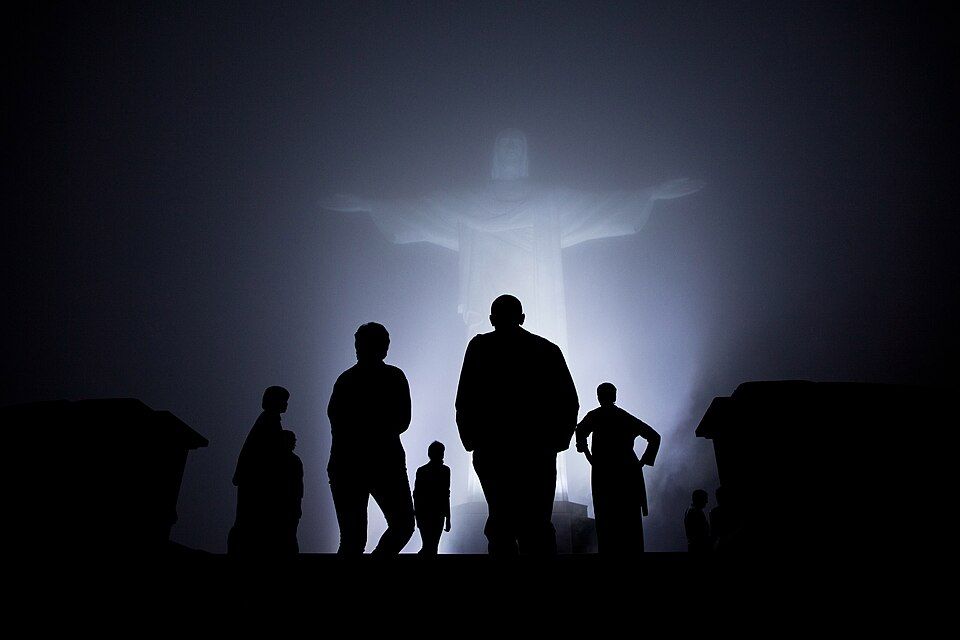
Evening visit [OUTDOOR] The statue is illuminated each night and is visible from across Rio.

7

But to see the illuminated city from the summit at night

a vast galaxy of light spread to every horizon

is one of the great urban vistas in the world. Evening visits in the golden hour are the most photographed.

Intentions

Carry these intentions into the Basilica with you — pause at each sacred spot and lift them to God.

🙏

For Rio de Janeiro and all the people of Brazil

🙏

For those who live in favelas in the shadow of these arms — the poor whom the statue watches over

🙏

For the reconciliation of inequality and beauty in Brazil and all of Latin America

🙏

For pilgrims who come to this summit and are surprised by something sacred

🙏

For those who cannot believe but who feel something when they stand here

🙏

For the protection of the Tijuca Forest and all of God's created world

🙏

For those who need to be reminded that they are held

🙏

For all who weep with joy or with grief when they reach a summit

Reflection

From the summit of Corcovado, you can see the whole city: the poor favelas climbing the hillsides, the rich beaches, the bay, the ocean. The statue sees all of it equally. The arms are open to the favelas and the hotels with the same gesture. This is the most honest statement Christ the Redeemer makes: the arms do not distinguish. The embrace is for all of it — the whole bewildering, beautiful, unequal city below.

Suggested Scripture — Isaiah 49:16

See, I have engraved you on the palms of my hands; your walls are ever before me.

Read in full on Bible Gateway →

A Pilgrim's Prayer

Christ of Corcovado, you stand above this city with arms wide open. You have watched over it for nearly a century. You see its beauty and its suffering with equal clarity. Let your gesture of embrace reach me where I stand. Let me feel held — not by marble, but by the One the marble points toward. Let me go down from this mountain changed. Amen.

More

Christ the Redeemer stands at the summit of Corcovado mountain, 710 metres above Rio de Janeiro, with arms outstretched across a city of seven million people. The 30-metre Art Deco statue — designed by Brazilian engineer Heitor da Silva Costa, sculpted by French sculptor Paul Landowski, and inaugurated in 1931 — has become one of the most recognised images in the world. In 2007 it was declared one of the New Seven Wonders of the World, and approximately two million people visit each year.

The Monument

The statue was conceived as a monument to Brazil’s Catholic faith and was built through the donations of Brazilian Catholics over five years. The outstretched arms, spanning 28 metres, suggest both embrace and blessing — a figure large enough to see the whole city and open to welcome all of it. Lightning strikes the statue more than six times per year on average; its most recent major damage in 2014 required the replacement of a finger and part of a hand.

Pilgrimage and the View

The chapel at the base of the statue — inaugurated in 2006 and dedicated to Our Lady of Aparecida — allows pilgrims to celebrate the sacraments in the shadow of Christ’s outstretched arms. Masses, baptisms and marriages take place here. The view from the summit on clear days extends 100 km to the south and east, taking in the full sweep of Guanabara Bay, Sugar Loaf Mountain, and the Atlantic Ocean.