Marija Bistrica National Shrine
Marija Bistrica, Croatia
"The Shrine of Our Lady of Bistrica at Marija Bistrica, in the Zagorje region of northern Croatia, is the na..."
Highlights
- 1The national pilgrimage shrine of Croatia — the most visited Catholic site in the country
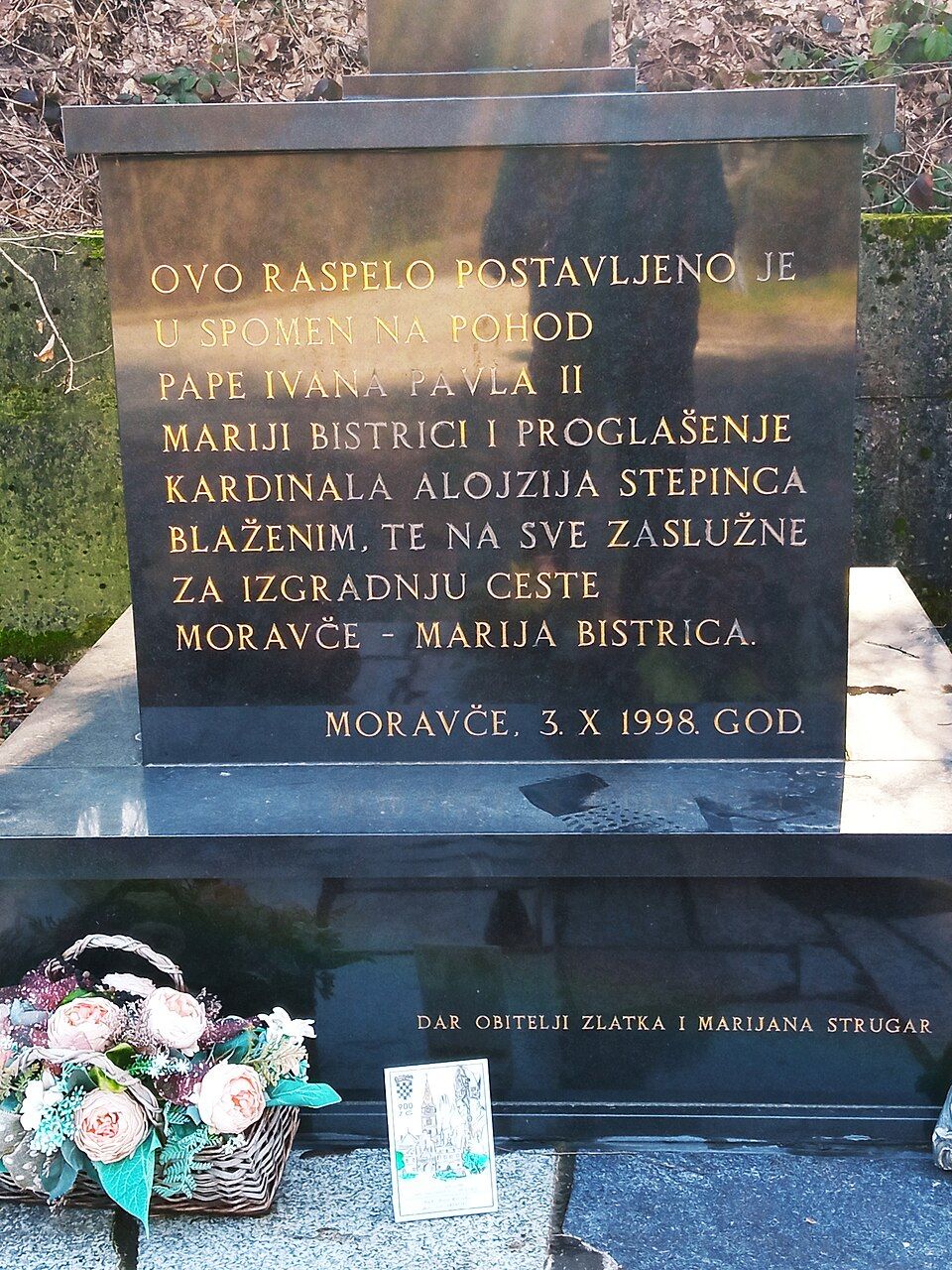
- 2Pope John Paul II beatified Cardinal Stepinac at Marija Bistrica in 1998 — before 400,000 pilgrims The Black Madonna was hidden twice in the church walls during Turkish invasions and miraculously rediscovered The Via Crucis on the hillside features monumental bronze Stations by leading Croatian sculptors
- 3The pilgrimage tradition at Marija Bistrica has been continuous since the 15th century
Getting There
Address
Trg Pape Ivana Pavla II 34, 49246 Marija Bistrica, Croatia
Directions
Marija Bistrica is 40 km north of Zagreb. Regular buses from Zagreb bus station (1h). By car: Route D205 north from Zagreb through the Zagorje hills. The pilgrimage town is immediately recognisable from the approach road.
Timings
Current time — Zagreb Time (CET)
--:--:--
| When | Hours |
|---|---|
| Basilica | 7:00 AM - 7:00 PM |
Via Crucis (hillside) Open at all hours [OUTDOOR] The major pilgrimage feasts draw tens of thousands of pilgrims to this small town. Accommodation in Marija Bistrica is limited; most pilgrims arrive by bus or on foot from Zagreb. The outdoor Way of the Cross can be walked at any time.
Masses & Events
Daily Mass
Multiple from 7:30 AM
Active pilgrimage schedule
Feast of the Assumption
August 15
The principal feast; largest pilgrimage gathering of the year
National Day of Thanksgiving
First Sunday of October
Second major pilgrimage feast
Must See
The Black Madonna of Bistrica
High altar of the basilica The 15th-century wooden Black Madonna, enthroned with the Infant, occupies the central position of the High Altar in an elaborate gilded frame. The dark colour, acquired from centuries of candle smoke, gives the figure the aged, present quality of a centuries-old friend. Pilgrims kneel and pray in a continuous flow throughout the day. The Via Crucis (Way of the Cross)
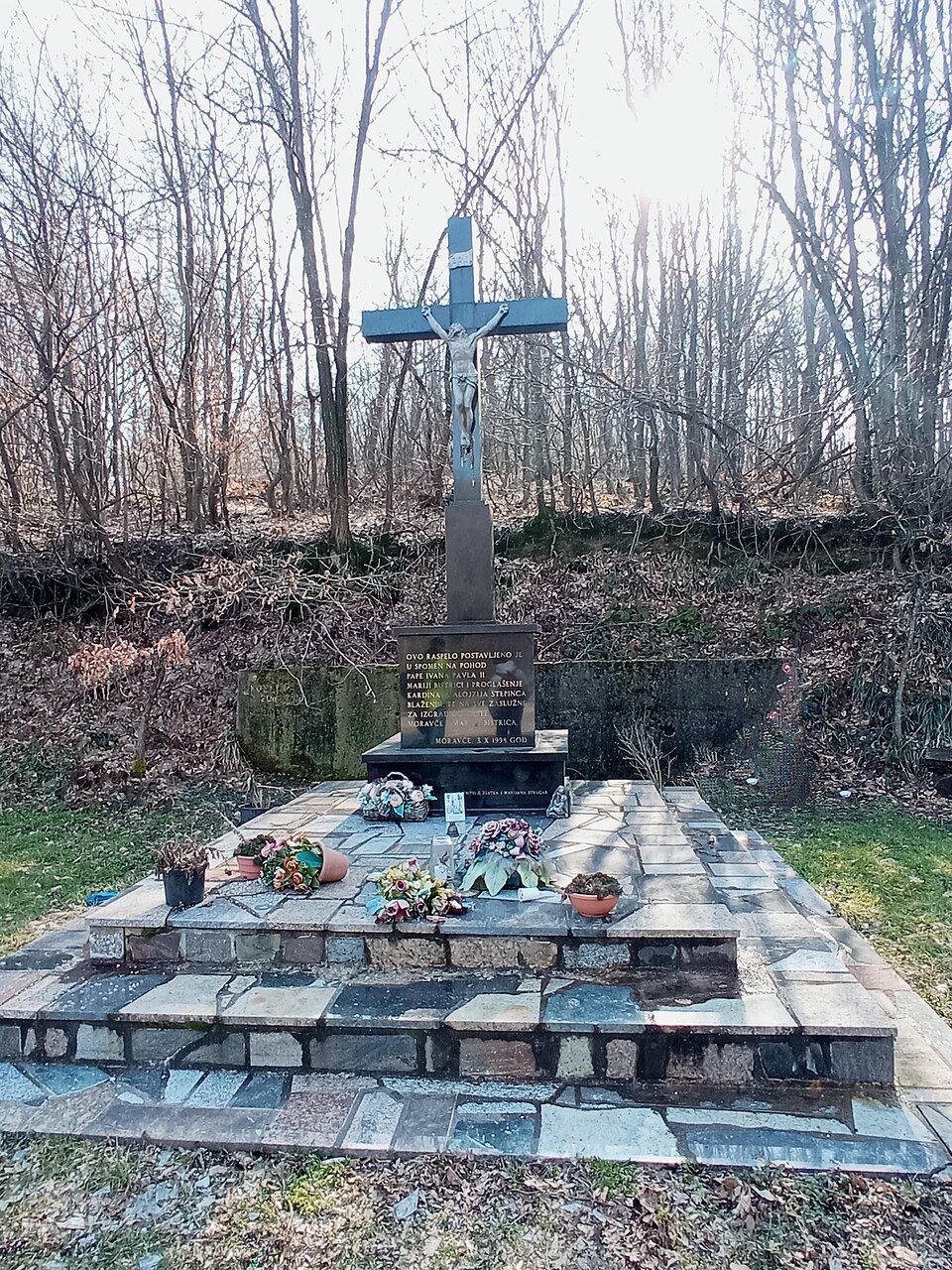
Hillside above the basilica [OUTDOOR] The outdoor Stations of the Cross on the Calvary hill above the shrine are works of serious artistic ambition — monumental bronze reliefs by Croatia's leading 20th-century sculptors. The path winds upward through the hill; walking it in silence, station to station, is the defining pilgrimage act at Marija Bistrica outside the basilica itself.
The Basilica Interior
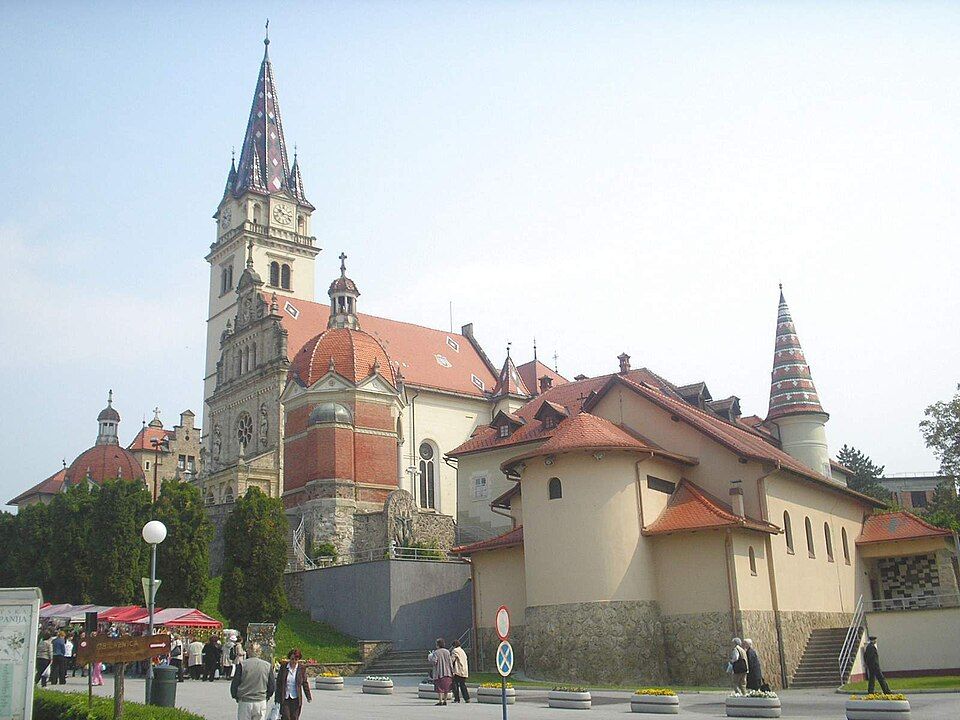
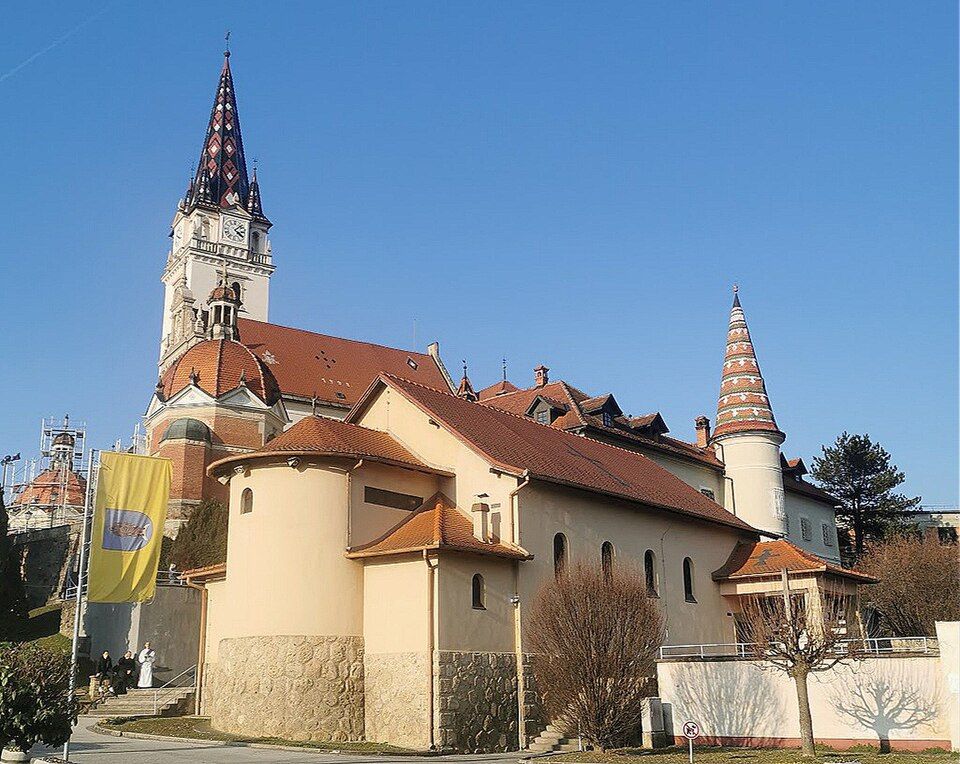
The main church The neo-Baroque basilica, rebuilt and enlarged in the 19th century, was designed by Herman Bollé, the Vienna-trained architect who redesigned much of Zagreb's religious architecture. The interior retains the intimacy of a Marian shrine while accommodating large pilgrimage groups.
The Pilgrimage Square
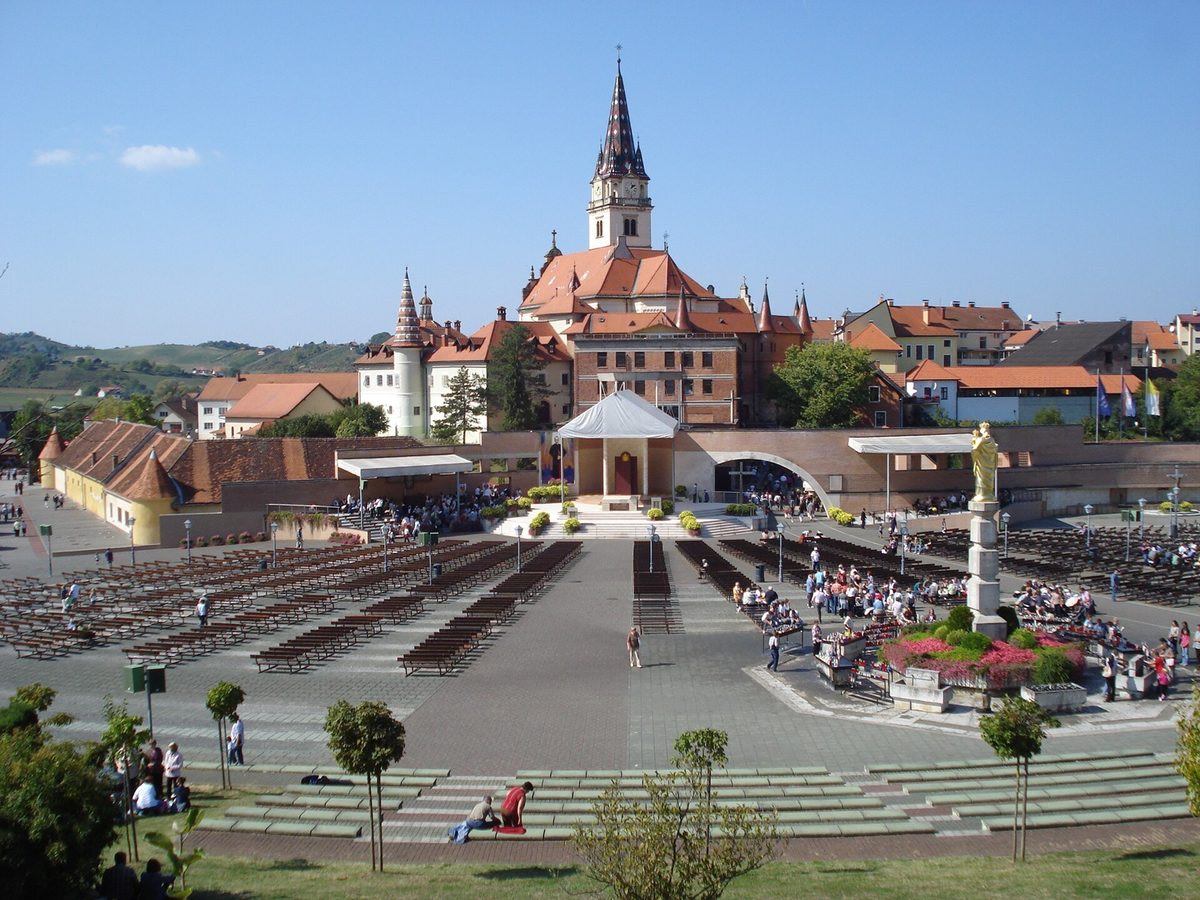
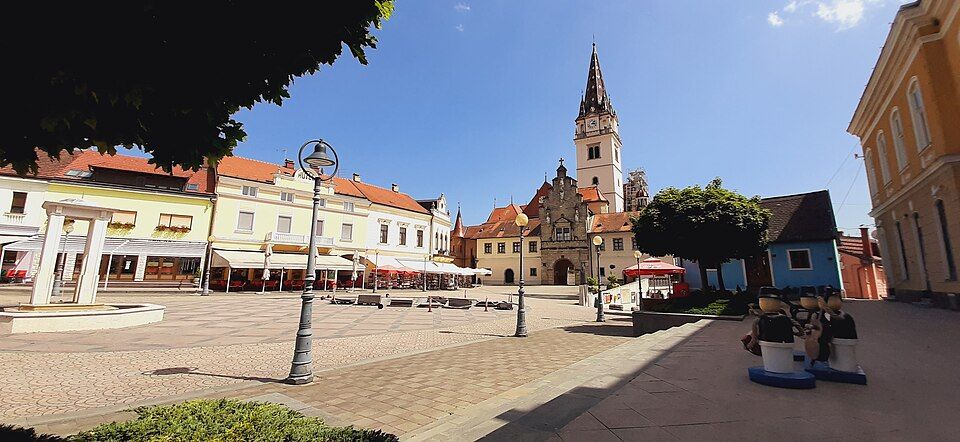
In front of the basilica [OUTDOOR] The large open square in front of the basilica, named after Pope John Paul II following his 1998 visit, has hosted some of the largest outdoor Masses in Croatian history. The sight of the basilica facade above the square, pilgrims processing with candles in the evening, is the defining image of Croatian Catholic life.
The Zagorje Countryside
Around Marija Bistrica [OUTDOOR] The rolling Zagorje hills that surround the shrine
with their distinctive wooden belfries, castles, and vineyards — constitute a landscape deeply embedded in Croatian Catholic identity. Arriving by bus through this countryside is itself a preparation for the shrine.
Intentions
Carry these intentions into the Basilica with you — pause at each sacred spot and lift them to God.
For Croatia and for the Catholic faith that has sustained Croatian identity through centuries of occupation
For Cardinal Stepinac, beatified here — for complex figures who tried to do right in terrible times
For those who hid sacred objects to protect them from destruction
For the Croatian diaspora — the many who could not return here for decades
For pilgrims who walk through this landscape on foot
For reconciliation in the Balkans — for the healing of deep wounds
For those who are discovering faith for the first time in Croatia's post-communist generation
For the artists who made the Via Crucis — for faith expressed in great art
Reflection
During the Ottoman advances of the 16th and 17th centuries, the faithful of Bistrica hid their wooden Madonna in the church wall — twice. Each time the threat passed, she was rediscovered. This is the logic of Croatian devotion to Marija Bistrica: a love formed in danger, a faith that preserved what mattered most during centuries when preserving anything was hard. John Paul II understood this. He came here in 1998 and beatified a man who had tried to do the same.
Suggested Scripture — Isaiah 43:2
When you pass through the waters, I will be with you; and when you pass through the rivers, they will not sweep over you.
Read in full on Bible Gateway →A Pilgrim's Prayer
Our Lady of Bistrica, twice hidden in a wall, twice found — let me find you again wherever you have been concealed by the years. Croatia hid you and found you. Let me do the same: find the faith I have perhaps lost or misplaced, here in this Zagorje valley, before your dark and patient face. Amen.
More
The Shrine of Our Lady of Bistrica at Marija Bistrica, in the Zagorje region of northern Croatia, is the national pilgrimage site of Croatia — the most visited Catholic shrine in the country, with approximately 800,000 pilgrims per year. At its centre is the Black Madonna of Bistrica — a late Gothic wooden statue of the Enthroned Madonna with the Infant Jesus, dating from the 15th century, which acquired its dark colouring from years of exposure to smoke from votive candles.
The Miraculous Statue
The miraculous preservation of the statue during times of Turkish invasion — the faithful concealed it twice in the church wall to protect it, and each time it was rediscovered — is the foundation of the shrine’s holiness. The Bishops’ Conference of Croatia designated Marija Bistrica as the national shrine in 1715. Pope John Paul II beatified Cardinal Stepinac at Marija Bistrica in 1998 — the most significant ecclesiastical event in Croatia’s modern history — before an estimated 400,000 people.
The Way of the Cross
The approach to the shrine involves the Via Crucis (Way of the Cross) on the hillside above — monumental bronze Stations of the Cross sculpted by leading Croatian artists in the 20th century. The outdoor Stations attract pilgrims year-round and constitute one of the finest examples of 20th-century Croatian religious sculpture.
Photo Gallery
5 photosKey Facts
- Type
- Shrine
- Region
- Other
- Location
- Marija Bistrica, Croatia
Open in Google Maps
Trg Pape Ivana Pavla II 34, 49246 Marija Bistrica, Croatia
Pilgrim's Note
We encourage all visitors to enter in a spirit of prayer and respect for the faith traditions of each place.