The Nahmad family occupies a position in the contemporary art market analogous to the Wildensteins in the Old Master market: they are dealer-collectors of extraordinary scale and opacity, whose holdings span the full range of Western art from Old Masters to twentieth-century moderns and whose influence on the market for major works is felt across every significant auction season. The family business was founded by Joseph Nahmad, who moved with his brothers from their native Syria to Milan in the 1960s and built a gallery and trading operation that grew, over the following three decades, into one of the largest private accumulations of art in the world. His sons Helly, David and Ezra Nahmad, based in Monaco, London and New York respectively, continued and expanded the operation, with particular focus on Impressionist, Post-Impressionist and early modernist painting. The Nahmad collection's total estimated value — variously reported at between three and five billion dollars — places it among the very largest private art holdings in existence. The holdings span a range that extends from seventeenth-century Flemish and Spanish painting through the French Impressionist tradition to the German Expressionists, the Surrealists and the postwar School of Paris. Works by Picasso, Modigliani, Matisse, Renoir, Degas and dozens of other major figures of the modern tradition are held in numbers that would make any single public institution enormously rich. Among the Old Masters in the Nahmad holdings are works with Christian subject matter — Flemish religious paintings, Spanish devotional works, and Italian Baroque canvases that belong to the tradition of sacred image-making that dominated European art from the thirteenth century to the eighteenth. The collection is not on public display. The Nahmads operate primarily as art dealers and investors rather than as philanthropic collectors in the Menil or Gulbenkian tradition; their holdings are kept principally in the Geneva Freeport — the famous climate-controlled warehouse complex near Geneva airport where an estimated 1.2 million artworks are stored by private collectors, dealers and investors, in conditions of tax-advantaged confidentiality — and are brought to market periodically through consignment to major auction houses or through private sale. The family's relationship to their collection is therefore fundamentally different from that of the great museum-founding collectors: for the Nahmads, as for the Wildensteins, the art is simultaneously an investment portfolio and a personal obsession, held in permanent tension between the desire to possess and the impulse to sell.
Estimated at over three billion dollars, the Nahmad collection is one of the world's largest private art hoards — spanning Old Masters to twentieth-century moderns.
The collection is held primarily in the Geneva Freeport, the climate-controlled warehouse near Geneva airport where an estimated 1.2 million artworks are stored in tax-advantaged confidentiality.
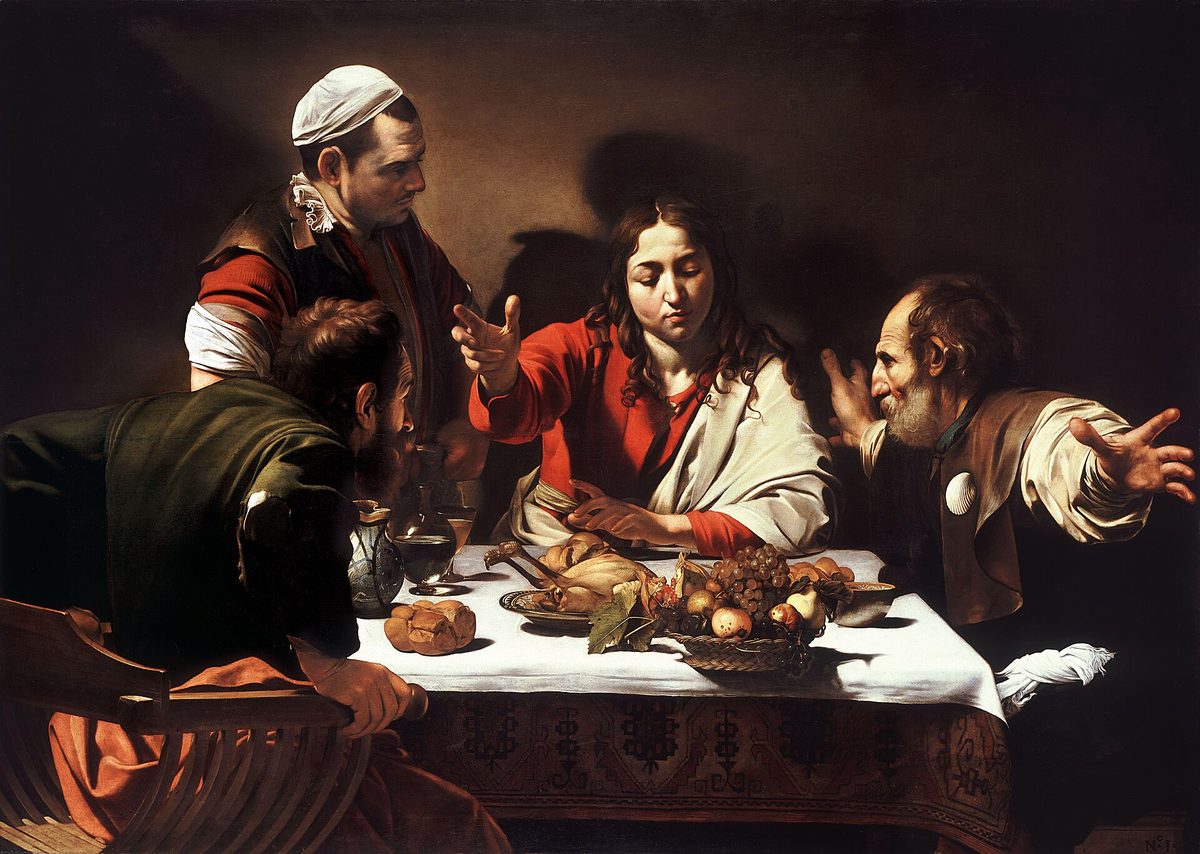
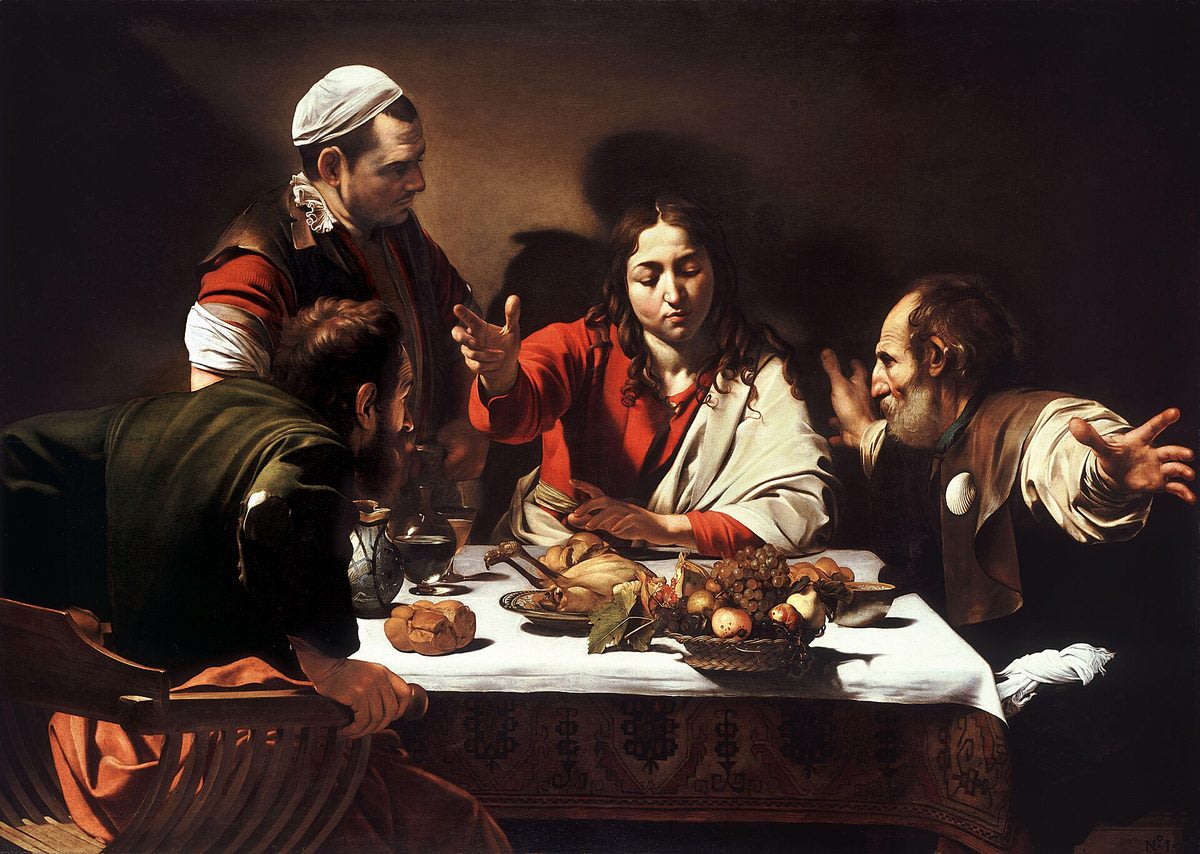
Old Master works with Christian subject matter — Flemish devotional paintings and Spanish Baroque saints — provide historical depth to a collection concentrated overwhelmingly on the Impressionist and early modern periods.
The 2013 US forfeiture case over a Modigliani painting gave the first public glimpse of the Nahmad holdings' true scale: approximately 4,000 works valued at multiple billions.
Works appear in public only through periodic consignment to Christie's, Sotheby's and major museum loans — the collection is not open to the public in any form.
The Nahmad Family and the Art Market
Joseph Nahmad, the patriarch of the dynasty, was born in Syria in 1931 and moved with his brothers to Italy in the 1960s, where he established a gallery in Milan that quickly became a significant player in the market for modern art. His instinctive ability to identify quality, his willingness to hold works for years rather than sell immediately, and his systematic approach to building positions in individual artists — buying multiple works by the same hand rather than scattering resources across many names — gave the family a market presence out of proportion to their public profile. The move to Monaco, which offered the family significant tax advantages and a convenient base for travel between the major European auction centres, consolidated their position as one of the most important private collectors and dealers in the world.
The Geneva Freeport and the Storage Culture
The Geneva Freeport is one of several large storage facilities near major Swiss cities where art, wine, gold and other valuable commodities can be held in conditions of strict confidentiality, with customs duties deferred indefinitely as long as the goods remain in storage. An estimated 1.2 million artworks are held in the Geneva facility alone, making it in effect the world's largest art museum — albeit one that is never open to the public and whose contents are known only to the owners and a small circle of advisers. The Nahmad holdings in the Geneva Freeport are among the largest in any single facility; court documents filed in connection with a 2013 US legal case — in which the US government alleged that a Modigliani in the Nahmad collection had been looted from its Jewish owner during the Second World War — provided the first public glimpse of the scale and diversity of the Nahmad holdings.
Christian Art in the Nahmad Holdings
The Old Master component of the Nahmad collection includes works from the Flemish and Spanish Baroque traditions that carry explicitly Christian subject matter. Flemish devotional paintings of the seventeenth century — the tradition of Rubens, van Dyck and their followers, in which the full resources of the Baroque pictorial vocabulary were deployed in service of the Counter-Reformation's programme of Catholic renewal — appear in the collection alongside Spanish paintings in the tradition of Ribera and Zurbarán, whose austere and psychologically penetrating images of saints, martyrs and monks represent the most distinctive achievement of Iberian sacred art. These works are not the primary focus of the Nahmad holdings, which concentrate overwhelmingly on the Impressionist and early modern periods, but they provide the collection with a historical depth that the purely modern holdings lack.
The Modigliani Case
In 2013, the United States government filed a civil forfeiture action in the Southern District of New York claiming that a Modigliani painting, Seated Man with a Cane, in the Nahmad collection had been looted from its Jewish owner, Oscar Stettiner, during the German occupation of France. The case attracted international attention because it opened the Nahmad family's otherwise opaque holdings to a degree of public scrutiny unprecedented in the family's history. Court filings described a collection of approximately 4,000 works valued at multiple billions of dollars, held through a Liechtenstein foundation called the International Art Center. The case was ultimately dismissed on jurisdictional grounds, but it generated extensive coverage of the freeport storage culture and of the tensions between the private collector's right to confidentiality and the public's interest in the restitution of art looted during the Holocaust.
Periodic Loans and Market Appearances
Although the Nahmad collection is not available to the public as a museum, works from the holdings appear periodically in the public record through consignment to major auction houses — Christie's, Sotheby's and Phillips — and through loans to major museum exhibitions. When a Picasso or a Modigliani with Nahmad provenance appears in an important sale, it generates significant attention, both for the work itself and for what it reveals about the family's accumulation strategy. The family has also participated in major lending programmes for international exhibitions, particularly those dedicated to the School of Paris and the early twentieth-century avant-garde, and these loans provide the only systematic public access to works that otherwise remain entirely private.
The Family Today
The Nahmad family's primary business operations are conducted from Monaco, where Helly Nahmad maintains the family's principal European base, and from New York, where other family members operate a gallery in the Carlyle Hotel. The family's art dealing activities continue at the highest level of the market, with particular focus on Picasso — of whom they hold more works than any other private collector — and on the Impressionist and early modern periods. The collection continues to grow, though at what rate and in what directions remains entirely opaque to outside observers.
Visiting
The Nahmad Private Collection is not open to the public in any form. Works from the collection appear periodically at major auction houses and in museum exhibitions on loan; these appearances, listed in auction catalogues and exhibition records, provide the only systematic public access to the holdings. Scholars wishing to study specific works attributed to or associated with the Nahmad collection should make enquiries through the major auction house specialists or through the family's gallery in New York.