The Santo Niño Image
Main altar sanctuary The small Flemish statue of the Child Jesus, presented by Magellan in 1521, stands in a glass case above the main altar in royal robes.
 Pilgrimstays
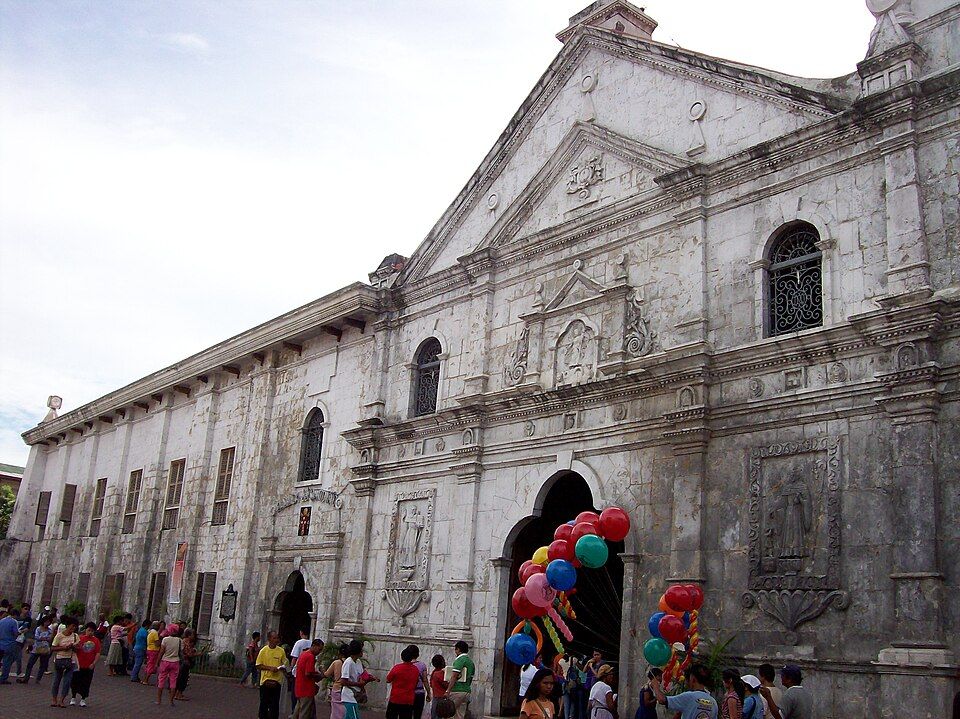
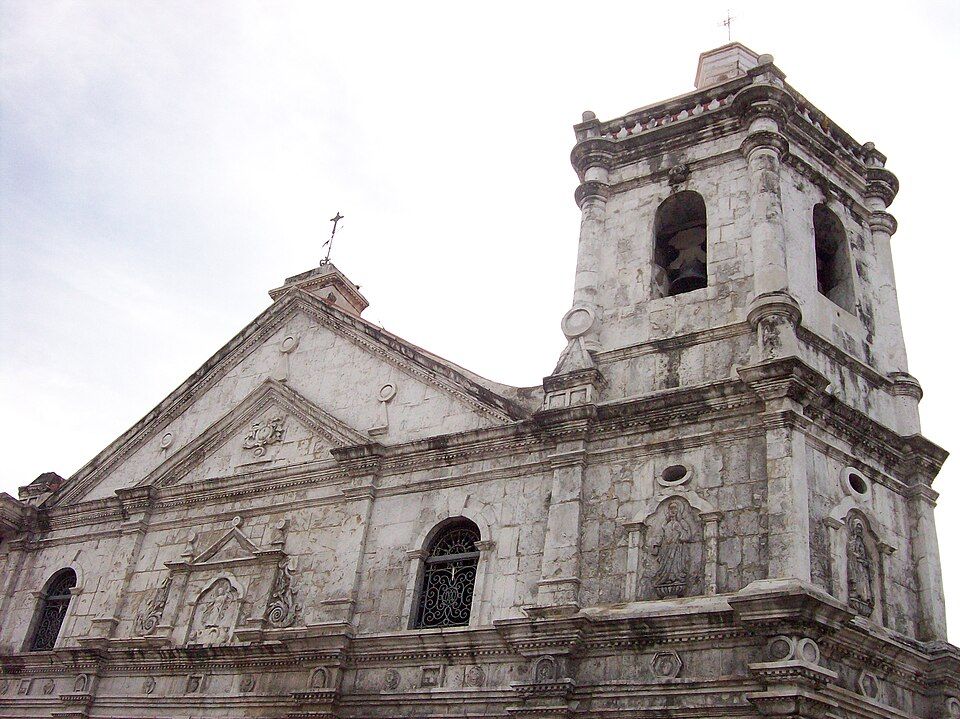
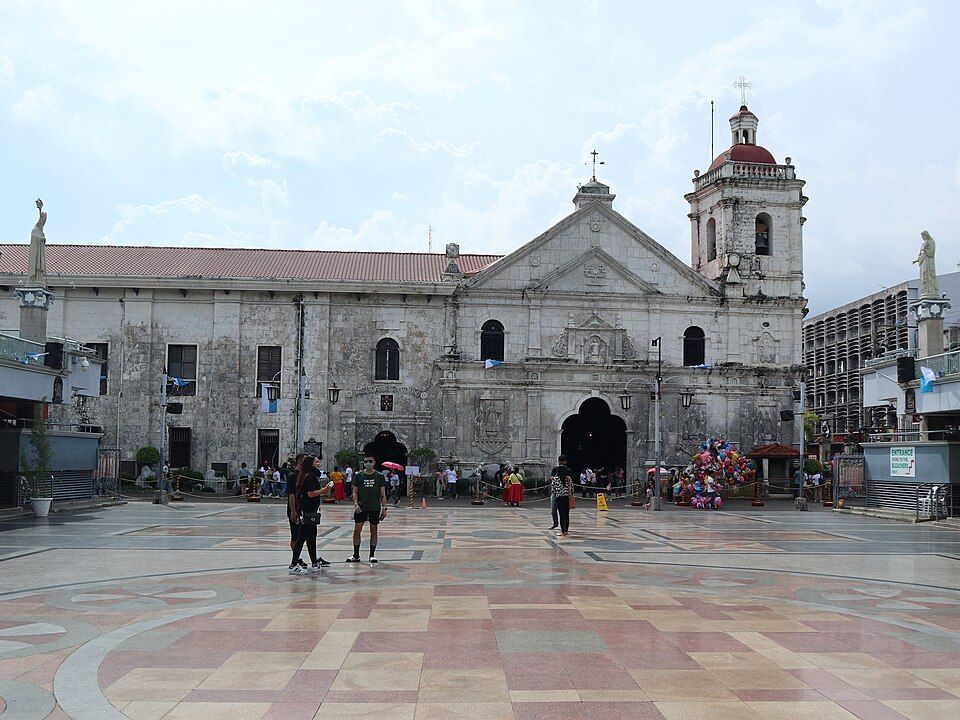
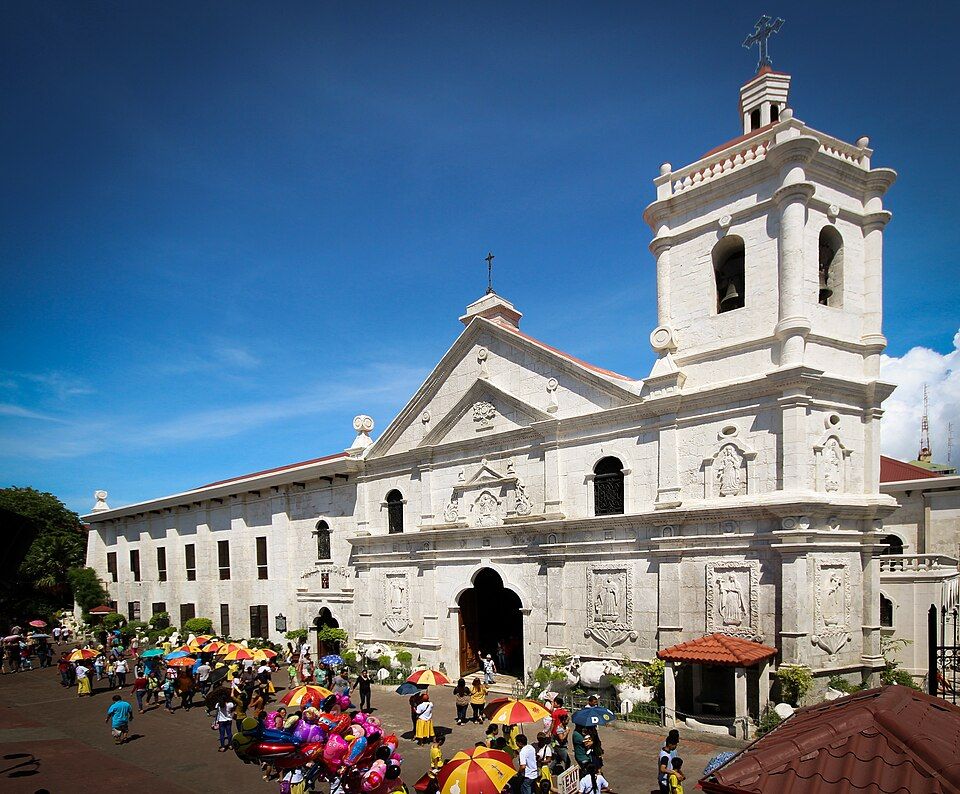
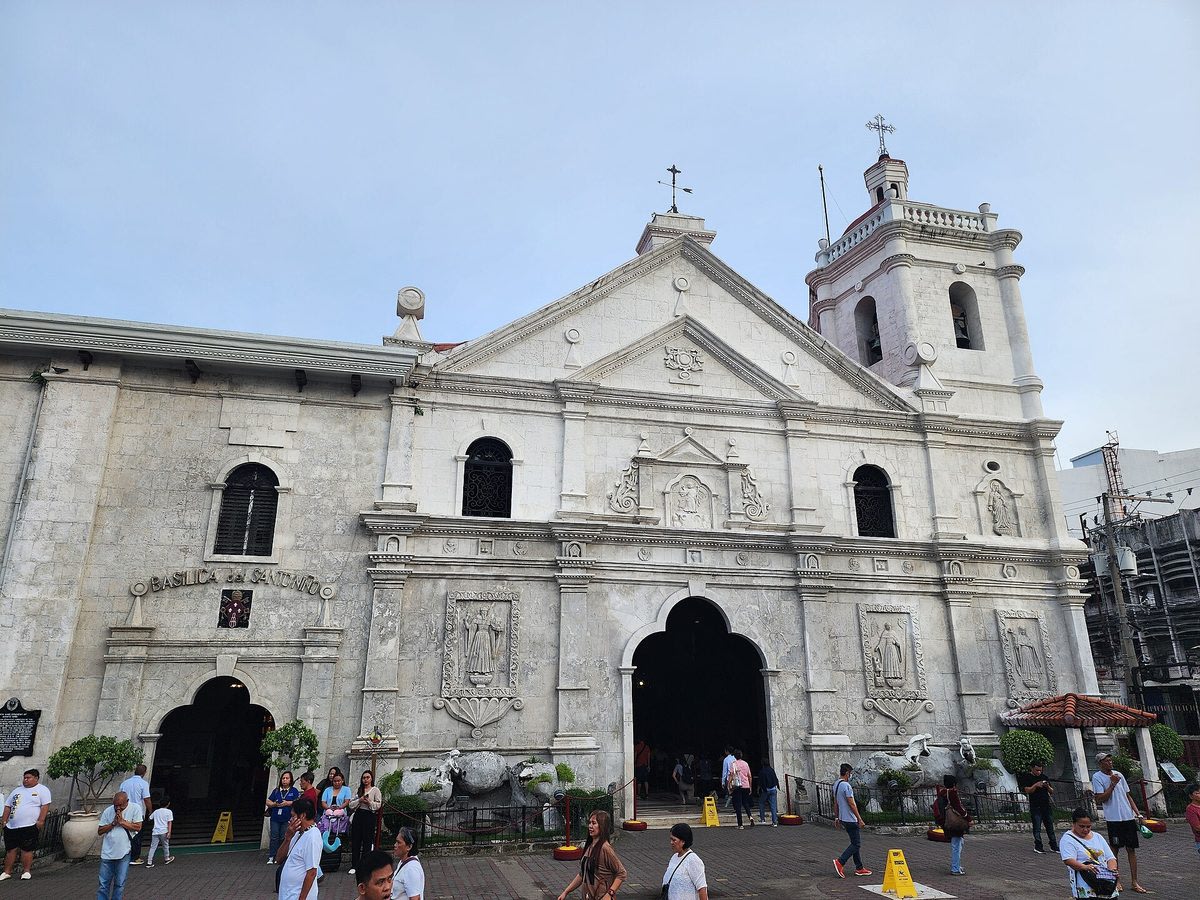
The Basilica Minore del Santo Niño in Cebu City, Philippines, is the oldest Roman Catholic church in the Philippines and houses the oldest Christian relic in the country — the image of the Santo Niño (the Holy Child Jesus) presented to Queen Juana of Castile by Ferdinand Magellan in 1521 during the first Spanish circumnavigation of the globe. The image is a Flemish-carved statue of the child Jesus in royal robes, approximately 30 cm tall, and is considered the most sacred image in the Philippines. When Magellan's expedition arrived in Cebu in March 1521, the local ruler Rajah Humabon and his wife Hara Amihan were baptised as the first Christian converts in the Philippines. The Santo Niño statue was given to Hara Amihan (Queen Juana) as a baptismal gift. When Spanish conquistador Miguel López de Legazpi arrived in 1565 and found the island, a soldier discovered the statue in a burned house — perfectly preserved amid the ashes. This miraculous survival was taken as a sign of the divine blessing of the Philippines' Christian mission, and the basilica was built on the site. The Sinulog Festival, held on the third Sunday of January, is the Philippines' most vibrant cultural and religious celebration. Over a million people participate in street dancing and the grand religious procession, carrying the Santo Niño through Cebu's streets. The combination of pre-colonial dance traditions (the Sinulog), Spanish missionary Catholicism, and contemporary Filipino popular culture makes the festival one of the most distinctive religious events in Asia.
The oldest Catholic church in the Philippines — built on the site where the Santo Niño was miraculously found in 1565 The Santo Niño image given to Queen Juana by Magellan in 1521 is the oldest Christian relic in the Philippines The Sinulog Festival (third Sunday of January) draws over one million participants — the Philippines' largest festival
The image survived a fire in 1565, found perfectly preserved amid ashes by a Spanish soldier The basilica has been a centre of continuous Christian worship for over 450 years
Main altar sanctuary The small Flemish statue of the Child Jesus, presented by Magellan in 1521, stands in a glass case above the main altar in royal robes.
has looked down on Cebu for over 450 years. The sanctuary is the most sacred space in Philippine Catholicism outside Manila.
Inside the original chapel area A marker indicates the spot where a Spanish soldier found the image perfectly preserved amid the ruins of a burned house in 1565. The tradition of miraculous preservation echoes that of many other sacred images and reinforces the devotion's claim on Filipino Catholic imagination.
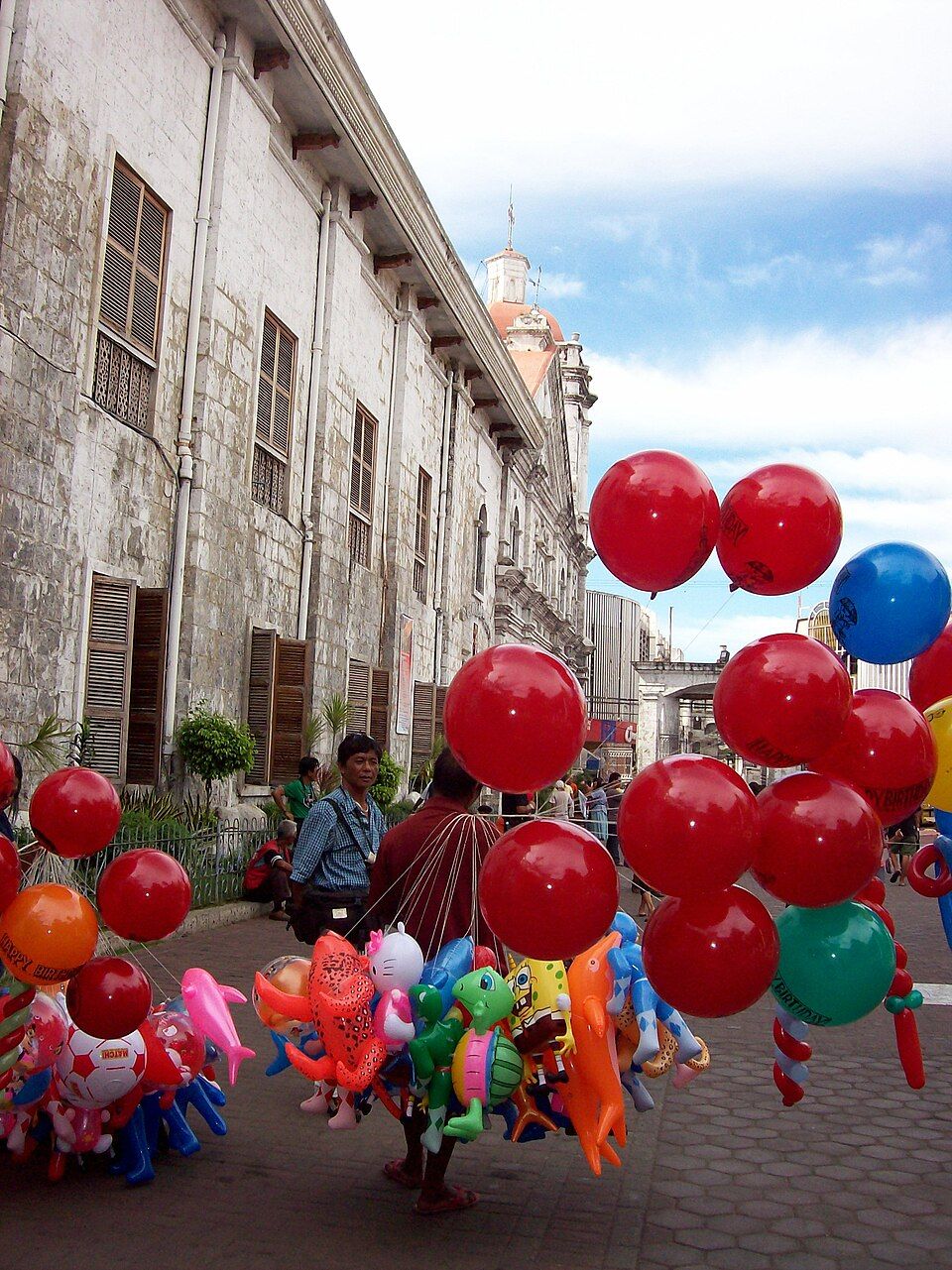
Through Cebu City streets [OUTDOOR] The grand procession on Sinulog Sunday carries the Santo Niño through the streets of Cebu in a blaze of flowers, street dancing, music, and incense.
accompanies the image throughout. Over a million people line the route. The Museum of the Santo Niño — Adjacent to the basilica Contains the history of the image, replicas of the original Magellan-era statue, vestments, ceremonial objects, and the archaeology of the original Augustinian church complex. Essential context for understanding the depth of the devotion.
Adjacent to the basilica [OUTDOOR] The triangular Spanish fort, built in 1565 by Legazpi, is the oldest fort in the Philippines and stands adjacent to the basilica.
is the most compressed expression of Spanish Catholicism's Philippine history.
A Flemish statue of a child in royal robes was given as a baptismal gift in 1521. It survived a fire. It was found in the ashes. It has been the most sacred image in the Philippines for 450 years. What the Filipinos discovered in the Santo Niño was something they already knew: that God comes to them in the form of a child, and that the child survives what adult power cannot. This is what fire cannot take.
“He called a little child to him, and placed the child among them. And he said: Truly I tell you, unless you change and become like little children, you will never enter the kingdom of heaven.”
Read in full on Bible Gateway →The Basílica Minore del Santo Niño in Cebu City, Philippines, is the oldest Roman Catholic church in the Philippines and houses the oldest Christian relic in the country — the image of the Santo Niño (the Holy Child Jesus) presented to Queen Juana of Castile by Ferdinand Magellan in 1521 during the first Spanish circumnavigation of the globe. The image is a Flemish-carved statue of the child Jesus in royal robes, approximately 30 cm tall, and is considered the most sacred image in the Philippines.
When Magellan’s expedition arrived in Cebu in March 1521, the local ruler Rajah Humabon and his wife Hara Amihan were baptised as the first Christian converts in the Philippines. The Santo Niño statue was given to Hara Amihan (Queen Juana) as a baptismal gift. When Spanish conquistador Miguel López de Legazpi arrived in 1565 and found the island, a soldier discovered the statue in a burned house — perfectly preserved amid the ashes. This miraculous survival was taken as a sign of the divine blessing of the Philippines’ Christian mission, and the basilica was built on the site.
The Sinulog Festival, held on the third Sunday of January, is the Philippines’ most vibrant cultural and religious celebration. Over a million people participate in street dancing and the grand religious procession, carrying the Santo Niño through Cebu’s streets. The combination of pre-colonial dance traditions (the Sinulog), Spanish missionary Catholicism, and contemporary Filipino popular culture makes the festival one of the most distinctive religious events in Asia.