The Black Madonna of Altötting
Chapel of Grace The small enthroned Black Madonna, just 65 cm tall, sits in a silver niche above the altar. The darkness from centuries of candle smoke gives her an ancient, mysterious presence.
 Pilgrimstays
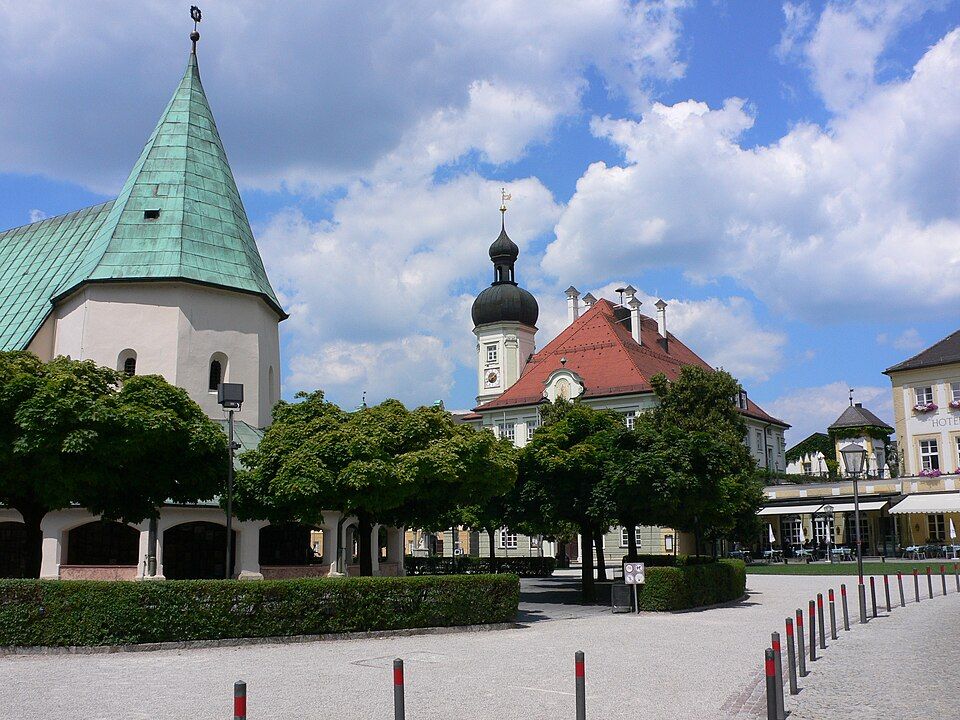
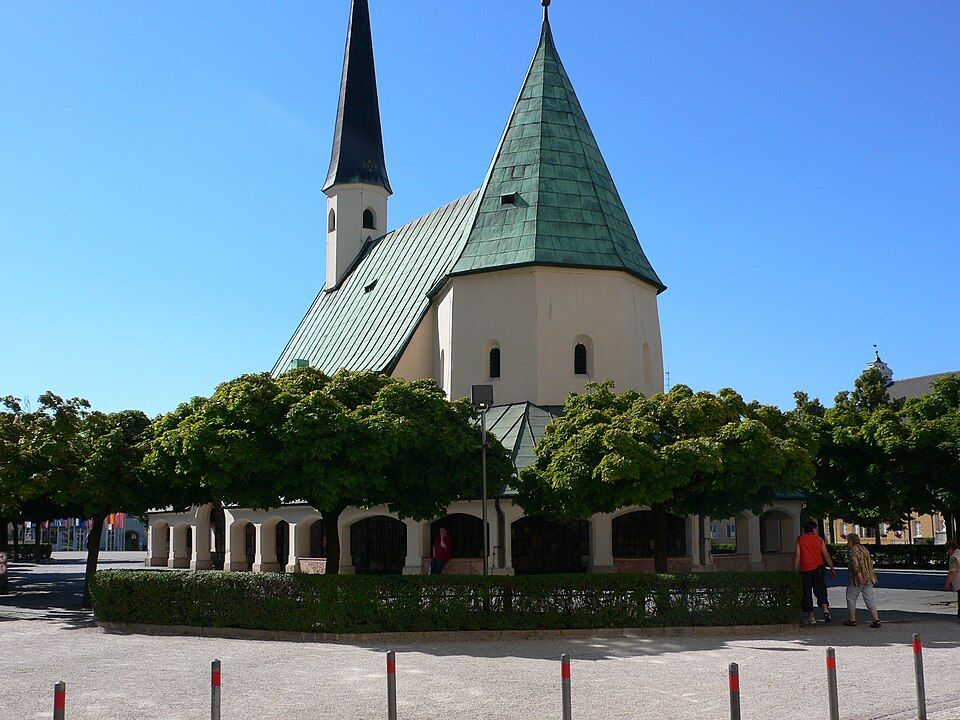
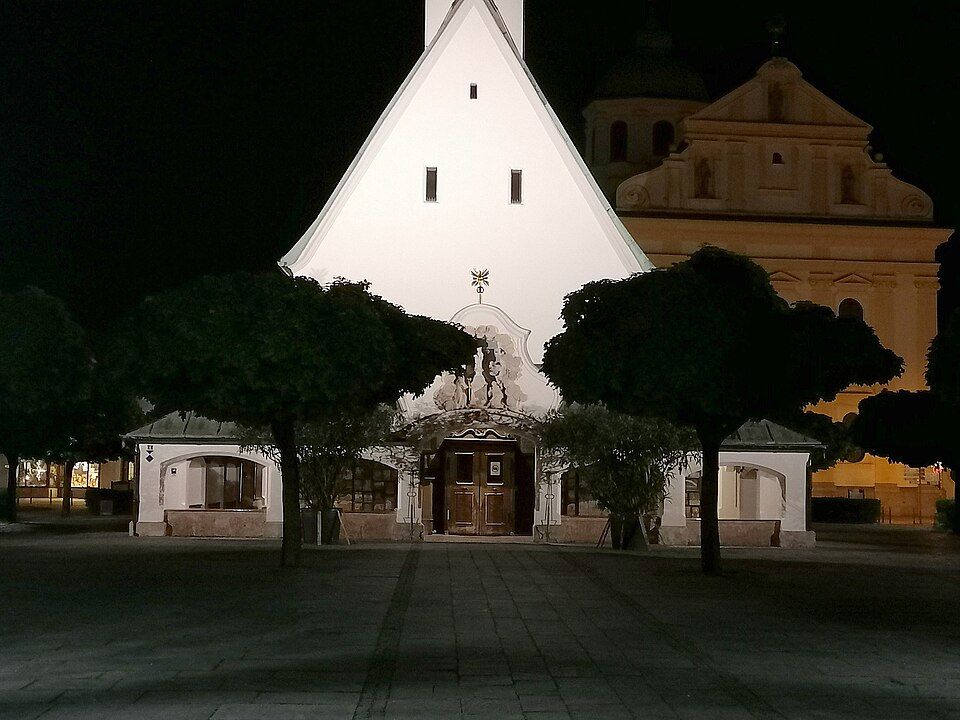
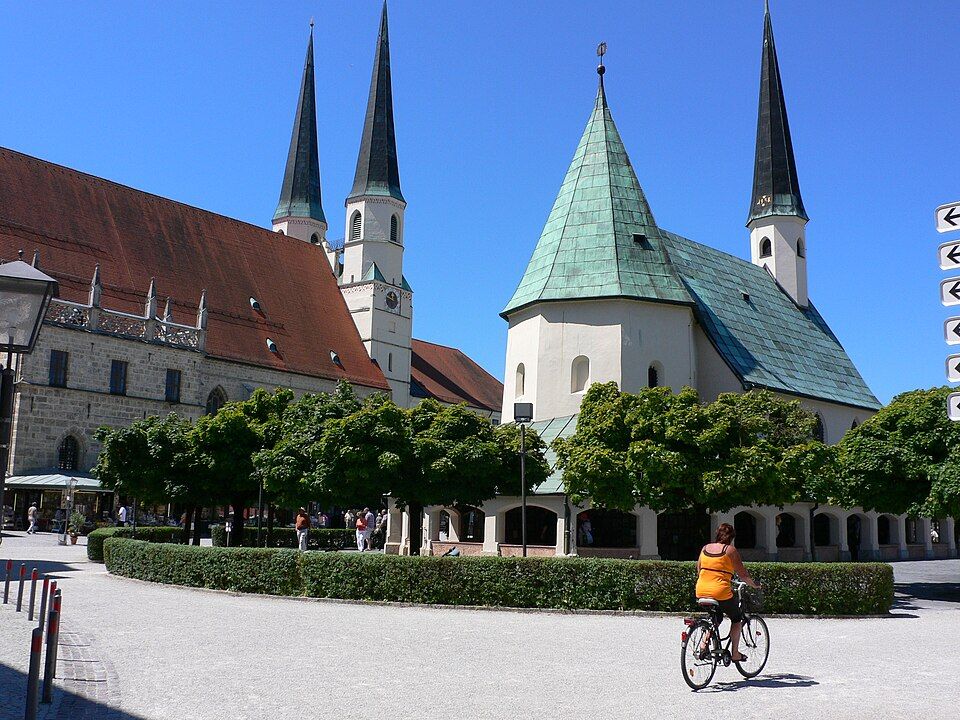
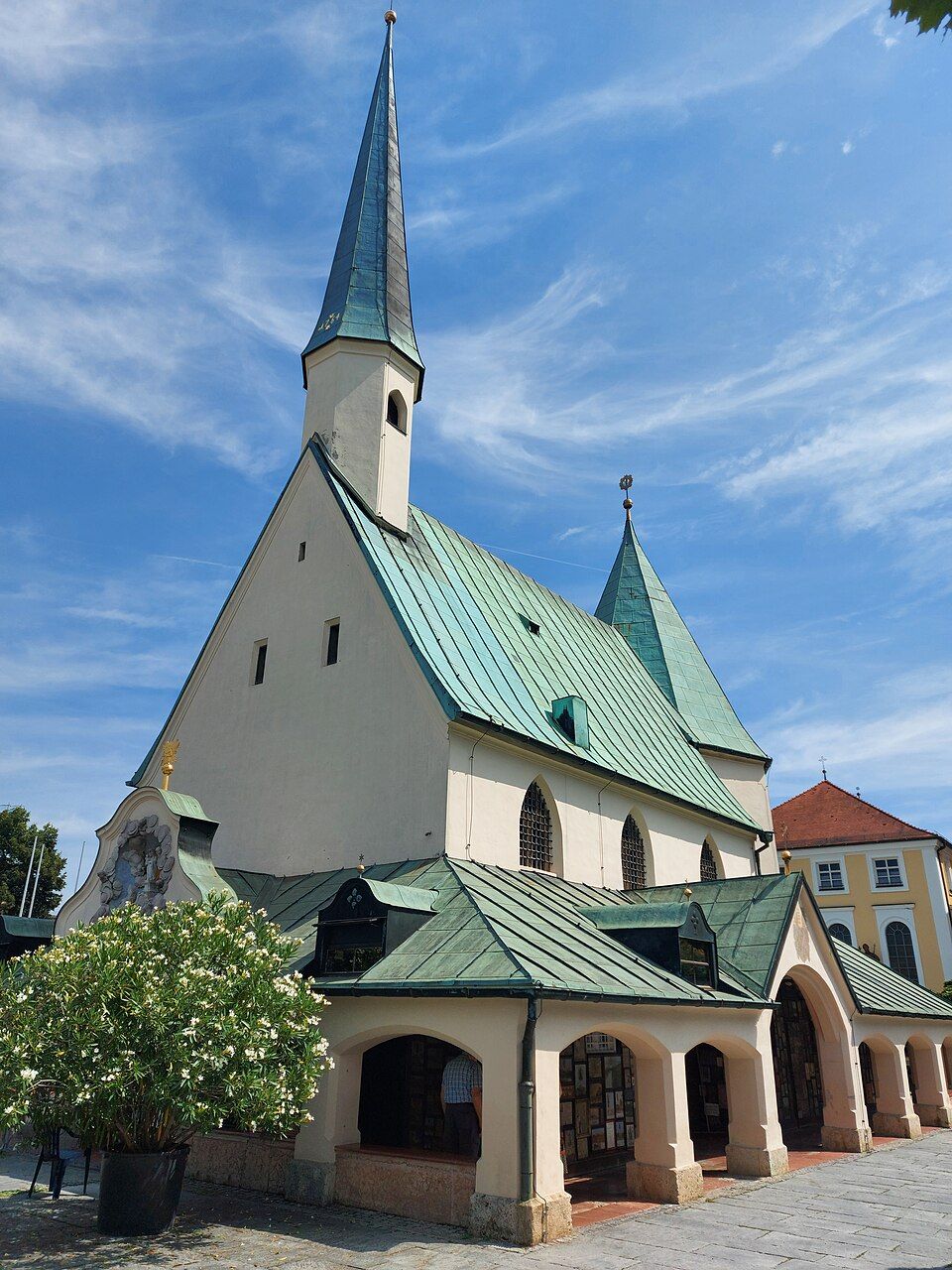
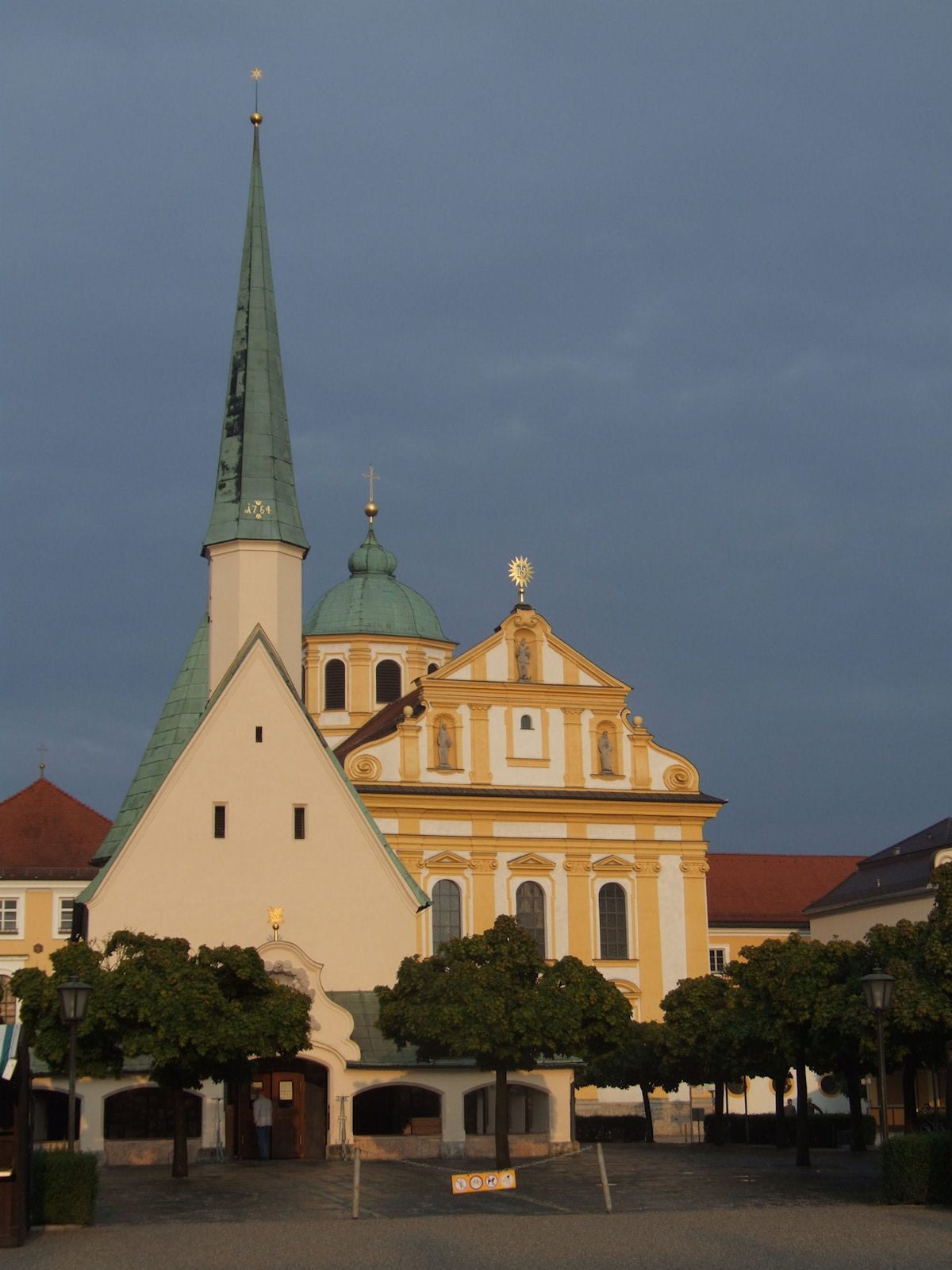
Altötting in Bavaria is the most important Marian pilgrimage site in the German-speaking world, known as the heart of Bavaria and the Lourdes of Germany. A small hexagonal 8th-century chapel — the Chapel of Grace — at its centre contains the Black Madonna of Altötting, a small wooden seated figure dating from around 1330. The chapel has received pilgrims for over five centuries, and the walls surrounding it are covered with over 4,000 ex-voto paintings donated by grateful pilgrims — one of the largest and most historically rich collections of votive art in Europe. The Black Madonna became nationally significant after a miraculous cure in 1489 when Duke Albert of Bavaria brought his drowned child to the chapel and the child was restored to life. The devotion spread rapidly. Conrad von Preysing, the resistance bishop of the Nazi era, was devoted to Altötting. Pope John Paul II visited in 1980 and again in 2006 when he was Benedict XVI. Pope Benedict XVI was born in Marktl am Inn, 15 km from Altötting, and his heart was buried in the Chapel of Grace in 2023. The Schatzkammer (treasure chamber) of Altötting contains one of the most extraordinary collections of ex-voto gifts in Europe — golden hearts from the Houses of Habsburg and Wittelsbach, paintings, silver models, and military decorations — spanning five centuries of Bavarian Catholic history.
The most important Marian shrine in Germany — known as the Lourdes of Germany and the Heart of Bavaria The Chapel of Grace dates from the 8th century — one of the oldest Christian buildings in Bavaria
Pope Benedict XVI's heart was buried in the Chapel of Grace in 2023, following his dying wish
Over 4,000 ex-voto paintings on the ambulatory walls — one of the largest collections in Europe
The miraculous healing of a drowned child in 1489 launched five centuries of pilgrimage
Chapel of Grace The small enthroned Black Madonna, just 65 cm tall, sits in a silver niche above the altar. The darkness from centuries of candle smoke gives her an ancient, mysterious presence.
in one of the most intimate Marian sanctuaries in Europe.
Ambulatory around the Chapel of Grace The covered walkway surrounding the Chapel of Grace is lined with over 4,000 ex-voto paintings donated by pilgrims since the 15th century. Each painting shows a moment of danger or illness, the intervention of Our Lady, and the pilgrim's gratitude. Together they constitute an unbroken visual diary of Bavarian Catholic life across five centuries.
the Bavarian shrine of the Mother he had prayed before since childhood. The heart was interred in a silver reliquary in the Gnadenkapelle in 2023. Pilgrims can visit this resting place of a part of the Pope born nearby.
Adjacent to the Chapel of Grace The treasure chamber contains five centuries of ex-voto gifts: golden hearts, royal offerings, Habsburg military decorations, paintings, and silver models. The golden heart donated by the Wittelsbach family in 1516 is the oldest piece. The collection communicates the intimacy between Bavarian Catholic culture and this small chapel.
a large, architecturally coherent Baroque square — surrounds the Chapel of Grace and the collegiate church. Pilgrimage stalls, candle sellers, and crowds of pilgrims occupy it during major feasts. The square is the social heart of Altötting and one of the finest pilgrimage piazzas in Germany.
A small dark wooden Madonna in a small dark chapel on a Bavarian market square has drawn pilgrims for five centuries. Popes, emperors, the Habsburgs, and ordinary Bavarian farm families have knelt before her in exactly the same way. One of those who knelt before her was a Bavarian professor and cardinal named Joseph Ratzinger, who came here from childhood and whose heart now rests in the chapel. There is no better argument for the power of small things than Altötting.
“The Lord does not look at the things people look at. People look at the outward appearance, but the Lord looks at the heart.”
Read in full on Bible Gateway →Altötting in Bavaria is the most important Marian pilgrimage site in the German-speaking world, known as the heart of Bavaria and the Lourdes of Germany. A small hexagonal 8th-century chapel — the Chapel of Grace — at its centre contains the Black Madonna of Altötting, a small wooden seated figure dating from around 1330. The chapel has received pilgrims for over five centuries, and the walls surrounding it are covered with over 4,000 ex-voto paintings donated by grateful pilgrims — one of the largest and most historically rich collections of votive art in Europe.
The Black Madonna became nationally significant after a miraculous cure in 1489 when Duke Albert of Bavaria brought his drowned child to the chapel and the child was restored to life. The devotion spread rapidly. Conrad von Preysing, the resistance bishop of the Nazi era, was devoted to Altötting. Pope John Paul II visited in 1980, and again in 2006 when he was Benedict XVI. Pope Benedict XVI was born in Marktl am Inn, 15 km from Altötting, and his heart was buried in the Chapel of Grace in 2023.
The Schatzkammer (treasure chamber) of Altötting contains one of the most extraordinary collections of ex-voto gifts in Europe — golden hearts from the Houses of Habsburg and Wittelsbach, paintings, silver models and military decorations — spanning five centuries of Bavarian Catholic history.