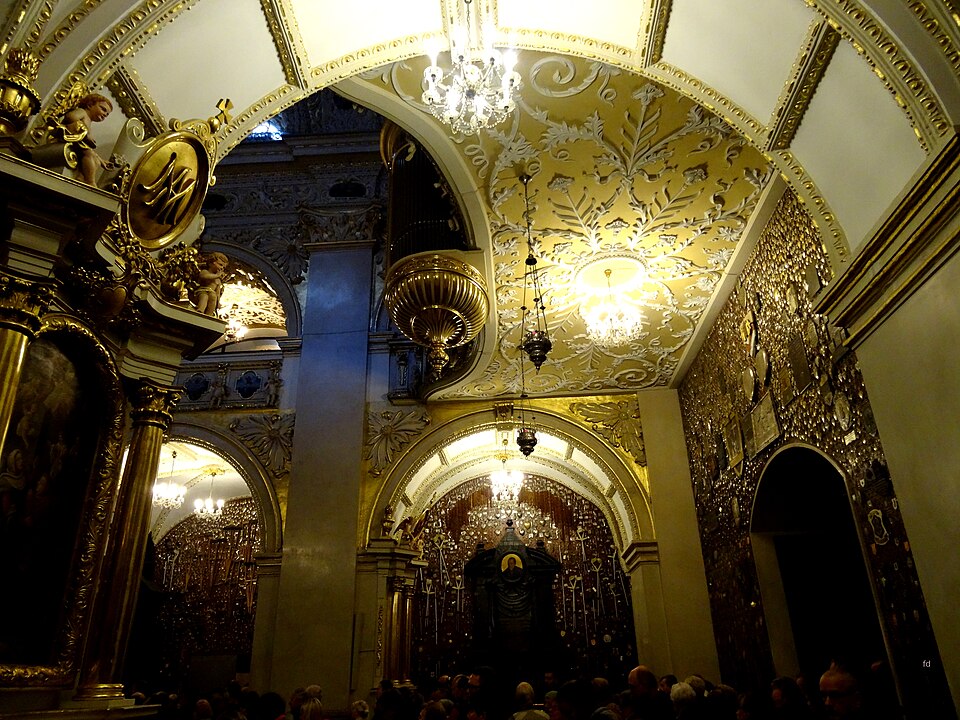
The Chapel of Our Lady
it is overwhelming. The unveiling ceremony at dawn, with the trumpet call and the slow drawing of the veil, is one of the most electrifying liturgical moments in Catholic Europe.
 Pilgrimstays
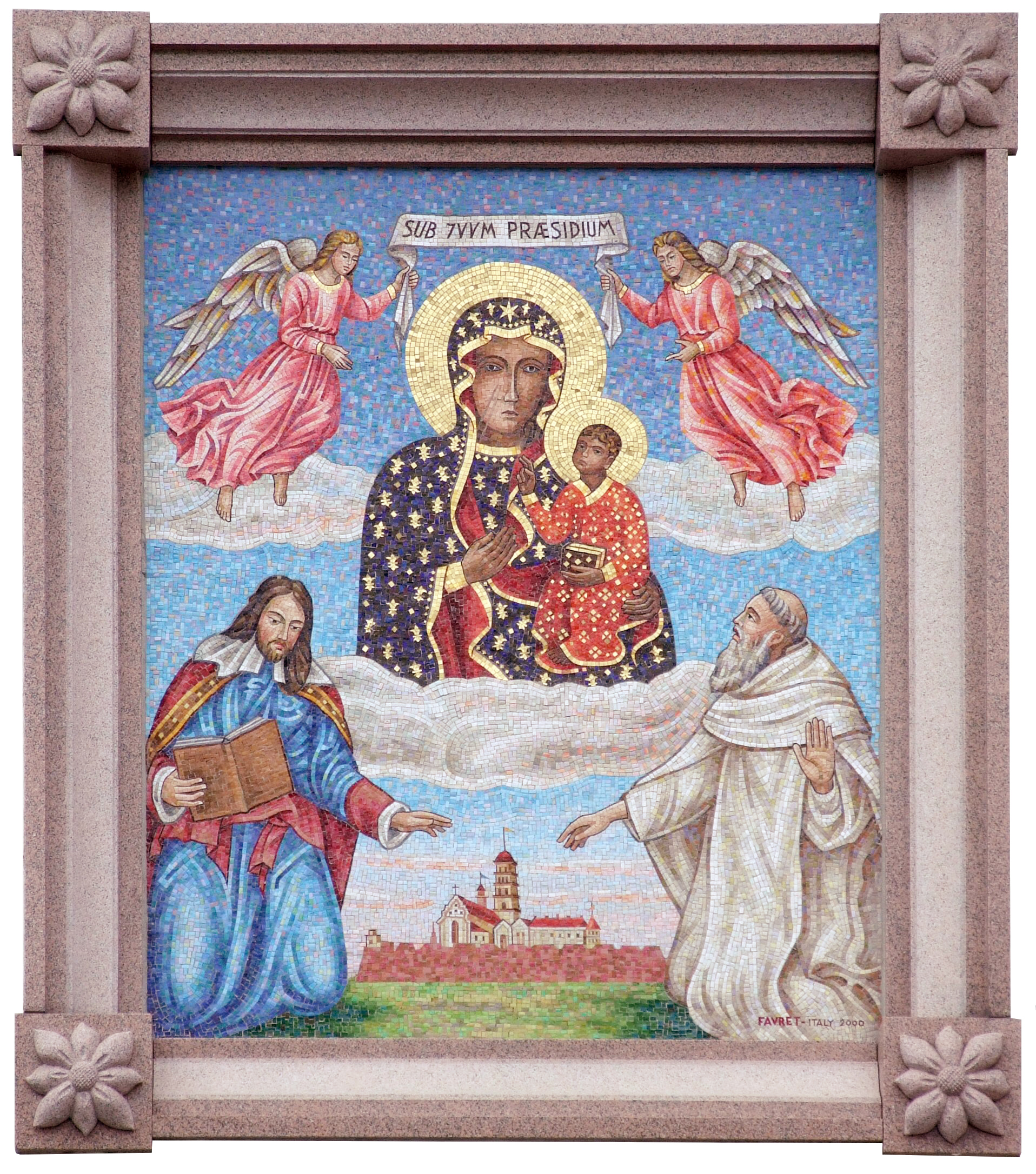
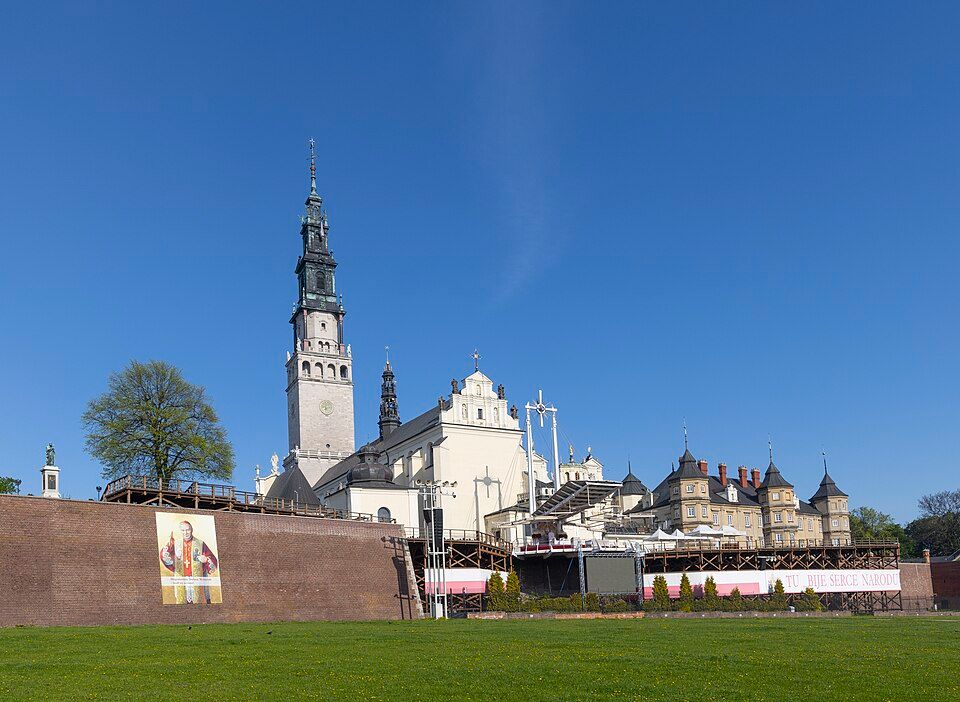
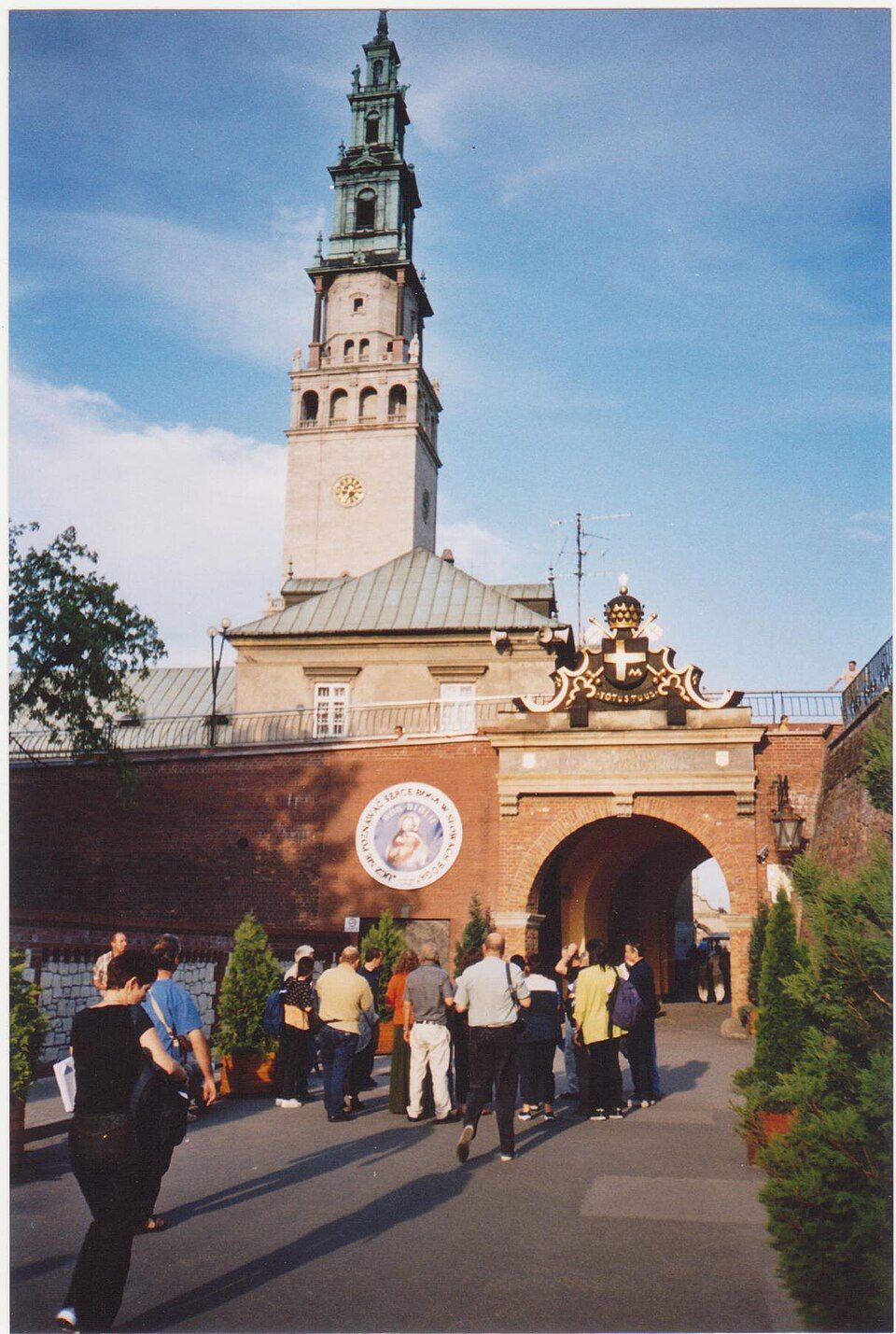
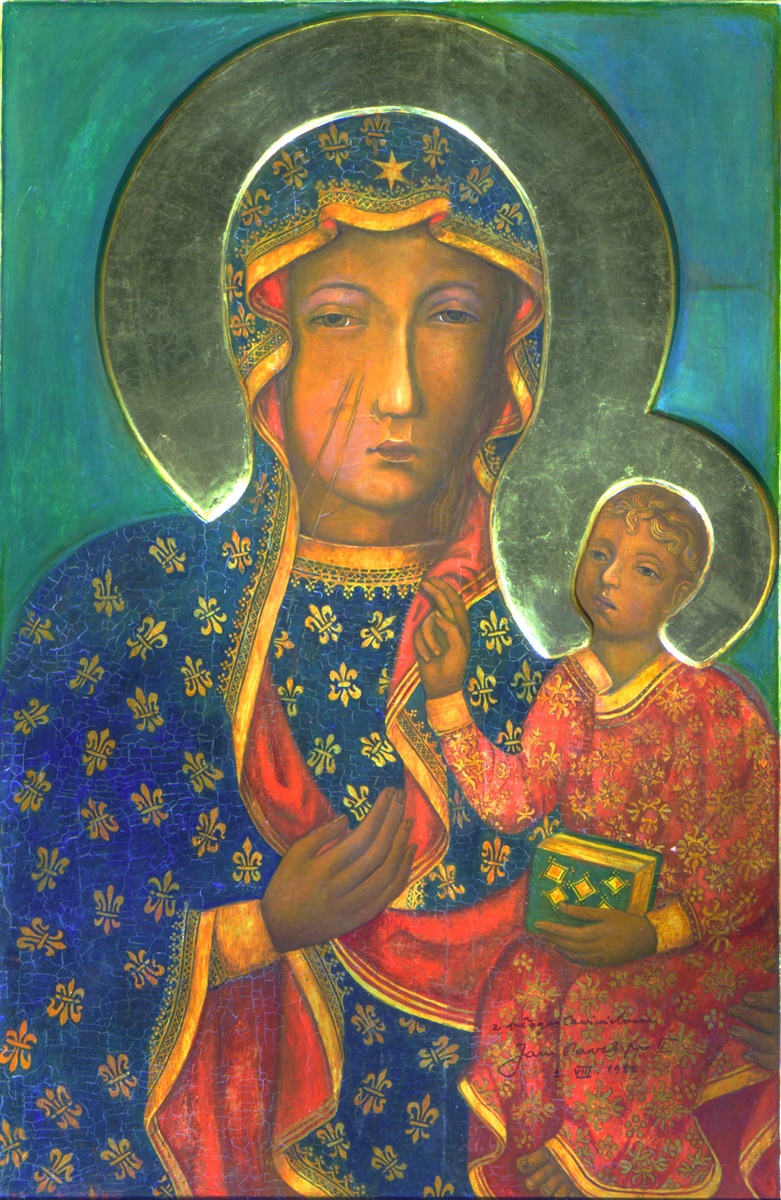
Jasna Góra — Bright Mountain — is Poland's most sacred site and the spiritual heart of the Polish nation. The monastery of the Pauline Fathers has stood on this hill since 1382, and within it is the most venerated image in Poland: the Black Madonna of Częstochowa, a medieval icon credited with miracles of protection stretching across six centuries. Approximately 4.5 million pilgrims come each year from Poland and 80 other countries. The icon is traditionally attributed to St Luke and is estimated by scholars to be between 600 and 1,400 years old. Its face bears two scars — inflicted by Hussite raiders in 1430 — that have never been repainted, in honour of the blood that is said to have flowed from the wounds. Every morning, the image is revealed at dawn by the ceremonial drawing of a silver cover, accompanied by the playing of a trumpet and the singing of a hymn — a ritual unchanged for centuries. Jasna Góra played a defining role in Polish identity during the Swedish siege of 1655 (the Deluge), when the monastery's miraculous resistance became a turning point in Polish resistance. Since then the image has been present at every crisis in Polish history: the partitions, the Nazi occupation, Solidarity, and the fall of communism. Pope John Paul II came here first as a young bishop, and returned as Pope in 1979 in one of the most consequential pilgrimages of the 20th century.
The most sacred site in Poland — visited by pilgrims from over 80 countries The Black Madonna bears two unrepaired sword-cuts from a 1430 Hussite attack — scars honoured as sacred wounds The silver cover of the image is raised each morning in a ceremony unchanged for centuries The monastery's miraculous survival of the Swedish siege of 1655 is a defining moment in Polish history
Pope John Paul II visited five times, beginning as a young bishop and culminating as Pope in 1979
it is overwhelming. The unveiling ceremony at dawn, with the trumpet call and the slow drawing of the veil, is one of the most electrifying liturgical moments in Catholic Europe.
a mother who has known suffering, not spared it. Polish Catholics have prayed before this face through every catastrophe of their history.
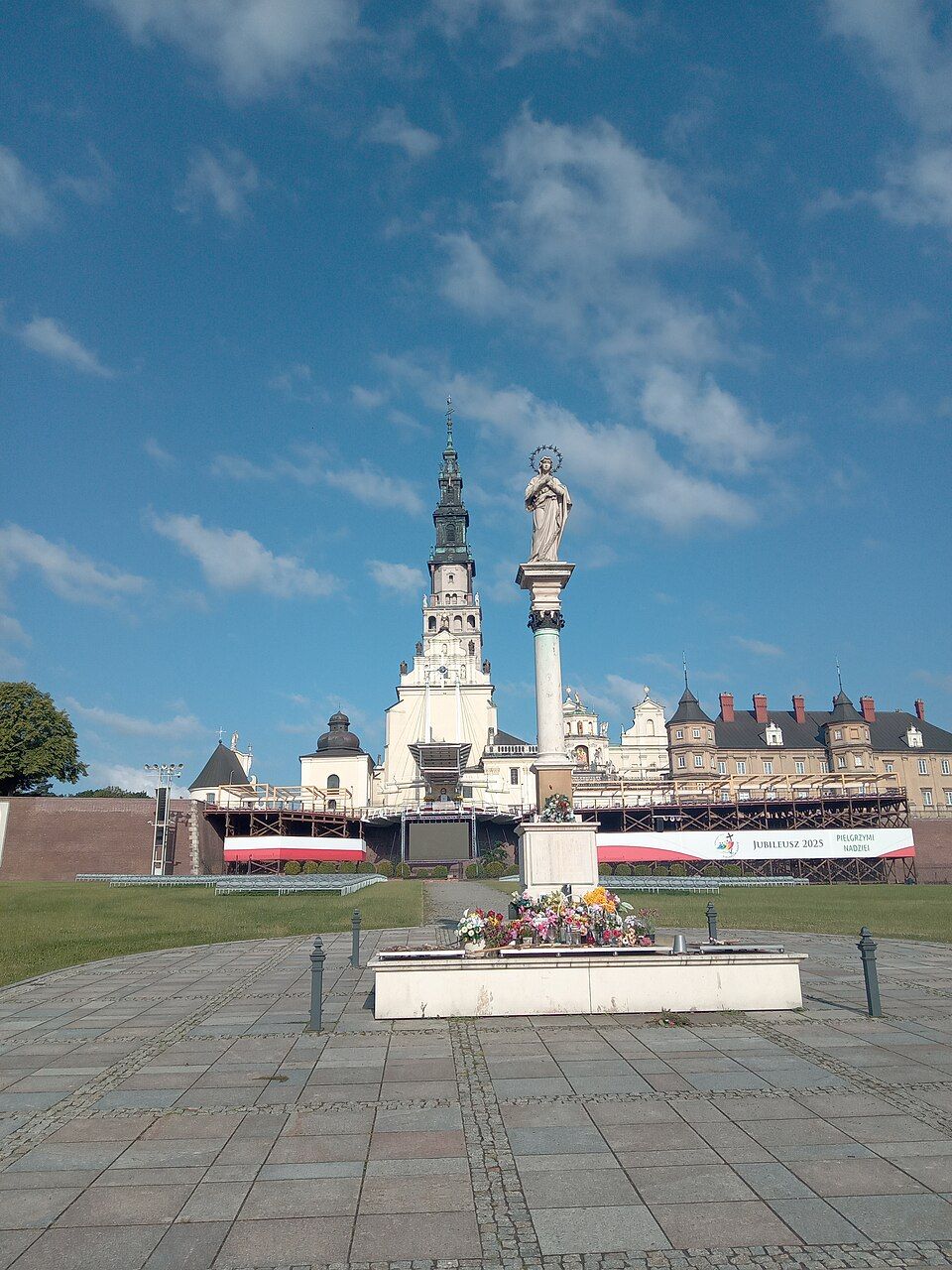
and that the distinction is narrower than it seems. The Pilgrim Road (Aleja NMP) — Leading from the city to the hill [OUTDOOR] The broad avenue lined with stations of the cross that pilgrims walk in procession from the city below. In August, the annual walking pilgrimages from Warsaw, Krakow, and dozens of other cities converge here, completing journeys of several days on foot.
royal gifts, military decorations, Nobel Prize medals, the sash of Solidarity — from the entire span of Polish history. No other shrine treasury so directly mirrors a nation's biography.
During the Nazi occupation of Poland, when Jasna Góra was seized and closed, Polish Catholics continued to pray toward the hill from their homes and fields. The image they held in their hearts was the same image that had watched over them since 1382. It is the most compressed and powerful statement about the nature of faith: you cannot confiscate what is loved. The image that is carried inside cannot be locked away.
“Neither death nor life, neither angels nor demons, neither the present nor the future, nor any powers, neither height nor depth, nor anything else in all creation, will be able to separate us from the love of God.”
Read in full on Bible Gateway →Jasna Góra — Bright Mountain — is Poland’s most sacred site and the spiritual heart of the Polish nation. The monastery of the Pauline Fathers has stood on this hill since 1382, and within it is the most venerated image in Poland: the Black Madonna of Częstochowa, a medieval icon credited with miracles of protection stretching across six centuries. Approximately 4.5 million pilgrims come each year from Poland and 80 other countries.
The icon is traditionally attributed to St Luke and is estimated by scholars to be between 600 and 1,400 years old. Its face bears two scars — inflicted by Hussite raiders in 1430 — that have never been repainted, in honour of the blood that is said to have flowed from the wounds. Every morning, the image is revealed at dawn by the ceremonial drawing of a silver cover, accompanied by the playing of a trumpet and the singing of a hymn — a ritual unchanged for centuries.
Jasna Góra played a defining role in Polish identity during the Swedish siege of 1655 (the Deluge), when the monastery’s miraculous resistance became a turning point in Polish resistance. Since then the image has been present at every crisis in Polish history: the partitions, the Nazi occupation, Solidarity, and the fall of communism. Pope John Paul II came here first as a young bishop, and returned as Pope in 1979 in one of the most consequential pilgrimages of the 20th century.