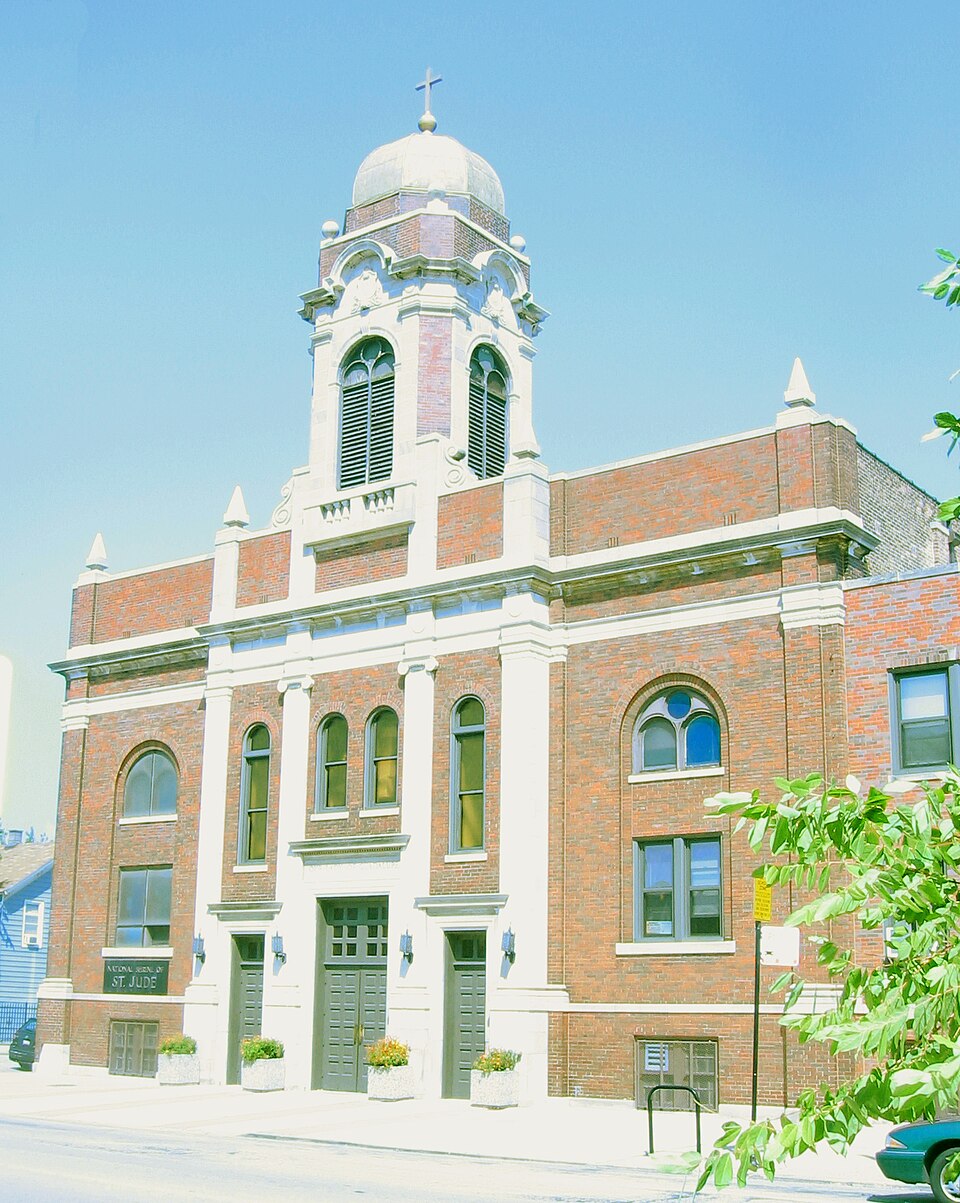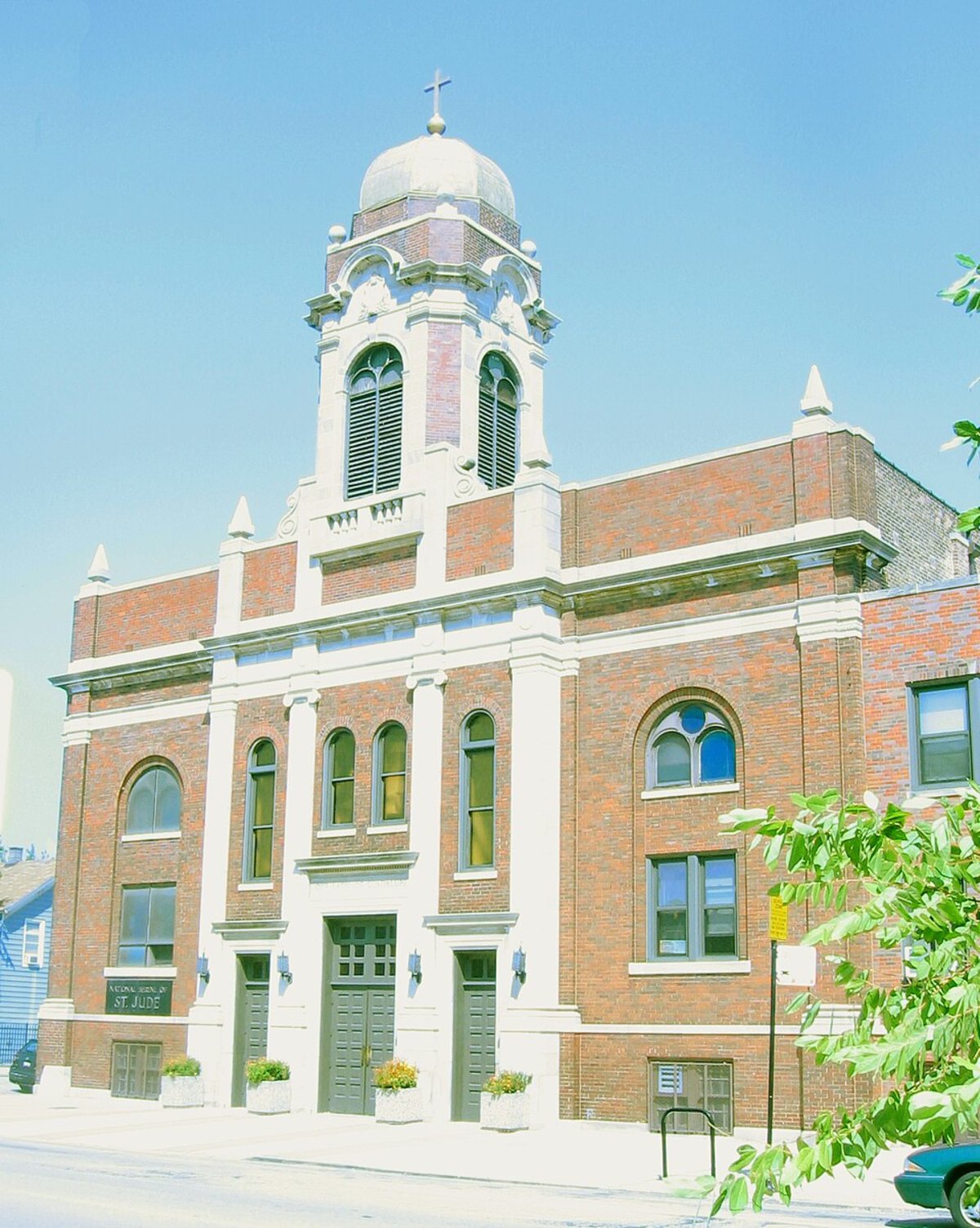
The National Shrine of Saint Jude in Chicago stands as the most important centre of devotion to the Apostle Jude Thaddaeus in the United States, a place of pilgrimage that has drawn millions of the desperate, the hopeless and the suffering through its doors since the Claretian Missionaries established the shrine in 1929. Located at Our Lady of Guadalupe Church in the Pilsen neighbourhood on Chicago's South Side, the shrine grew from a nine-day novena organised during the darkest years of the Great Depression and became a phenomenon that reshaped popular Catholic devotion in America. Saint Jude Thaddaeus, traditionally identified as one of the twelve apostles and the author of the New Testament epistle that bears his name, has been venerated in Catholic tradition as the patron of desperate and lost causes. The reason for this particular patronage is itself instructive: because his name is so similar to that of Judas Iscariot, petitions addressed to Saint Jude were sometimes confused with those addressed to the traitor-apostle, and so he became the apostle invoked in last resort, the saint to whom one turns when all other avenues have been exhausted. The Claretian Missionaries who serve the shrine have, over nearly a century, built a ministry that extends far beyond the walls of the church in Pilsen. The shrine's prayer petition ministry, newsletter and outreach programmes have made it a national institution, drawing petitions from across the country and broadcasting the message that no cause is truly hopeless before heaven.
The largest shrine to Saint Jude Thaddaeus in the United States, established in 1929 during the Great Depression
Founded by the Claretian Missionaries in Chicago's Pilsen neighbourhood in response to desperate community need
The shrine newsletter, Jude, has been published continuously since 1936, reaching hundreds of thousands of households
Annual feast of Saint Jude on 28 October draws pilgrims from across the country
Saint Jude is the patron of desperate and lost causes — the apostle invoked when all other hope is gone
Origins: The 1929 Novena
The National Shrine of Saint Jude traces its origin to the autumn of 1929, when the Claretian Missionaries at Our Lady of Guadalupe Church organised a novena to Saint Jude in response to the desperate spiritual needs of their congregation, which was being devastated by the emerging Great Depression. The response was overwhelming: thousands of people crowded the church each evening of the nine-day novena, many of them recent immigrants and working-class families who had nowhere else to turn.
The novena was repeated, then continued, then made permanent. Word spread through the Catholic press and by word of mouth, and pilgrims began arriving from outside the neighbourhood, from outside Chicago, from outside Illinois. By the 1930s, the National Shrine of Saint Jude had become one of the most visited Catholic sites in the United States, and the Claretians had established a formal organisation — the League of Saint Jude — to channel the extraordinary flood of devotion.
The Claretian Mission
The Congregation of the Missionary Sons of the Immaculate Heart of Mary, known as the Claretians, were founded in Spain in 1849 by Saint Anthony Mary Claret. The Chicago Claretians originally served the Spanish-speaking immigrant community of the South Side, and Our Lady of Guadalupe Church reflected that mission. Over the decades, as the neighbourhood's demographics shifted, the church and its shrine adapted, serving successive waves of Latin American immigrants alongside the broader national audience drawn by the Saint Jude devotion.
The Claretians operate a shrine newsletter, Jude, that has been published continuously since 1936 and reaches hundreds of thousands of households. Prayer intentions submitted to the shrine are prayed over by the community; a monthly novena Mass is celebrated, and the annual feast of Saint Jude on 28 October is marked by a solemn Mass and special devotions.
The Shrine Church
Our Lady of Guadalupe Church is a handsome Romanesque-influenced building whose interior has been enriched over the decades with devotional art related to Saint Jude. The focal point is the national image of the saint — a large painting depicting Jude Thaddaeus holding his traditional symbols: the image of Christ on his chest and a staff. Votive candles burn before the image in vast numbers, and the walls of the shrine are hung with plaques of thanksgiving from those who believe their prayers have been answered.
Visiting
The shrine is open throughout the year and is particularly busy in the weeks surrounding the feast of Saint Jude on 28 October. Pilsen, the neighbourhood in which it stands, is one of Chicago's most vibrant and culturally rich districts, famous for its Mexican-American heritage, its murals and its thriving arts scene. The shrine is accessible by public transport from downtown Chicago.