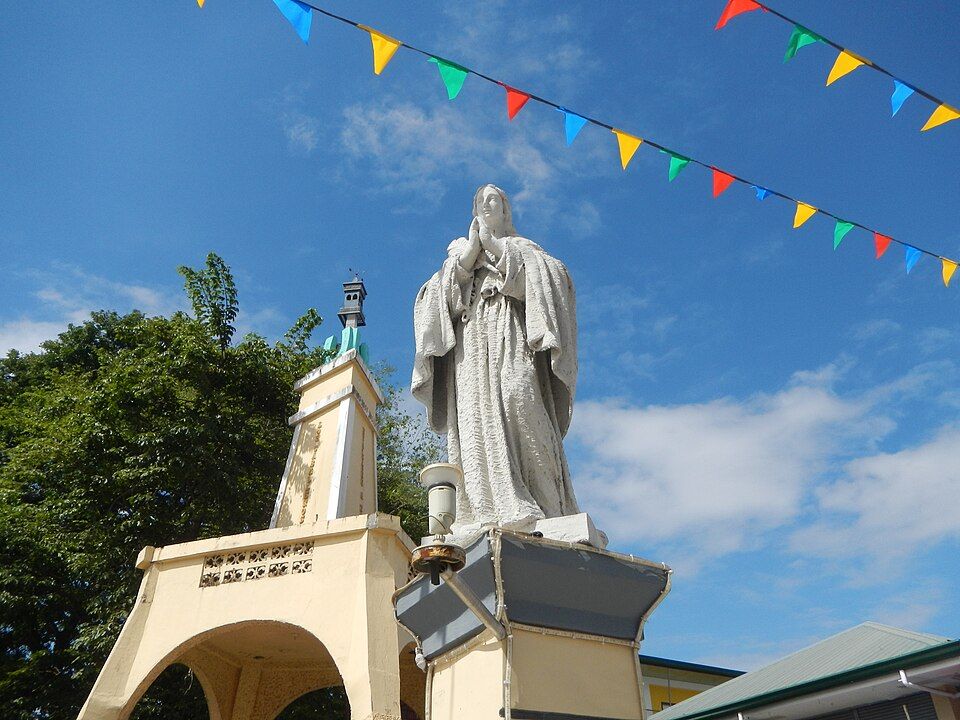
The Image of Our Lady of Manaoag
pilgrims bring rosaries to be blessed and take them home as protective objects.
 Pilgrimstays
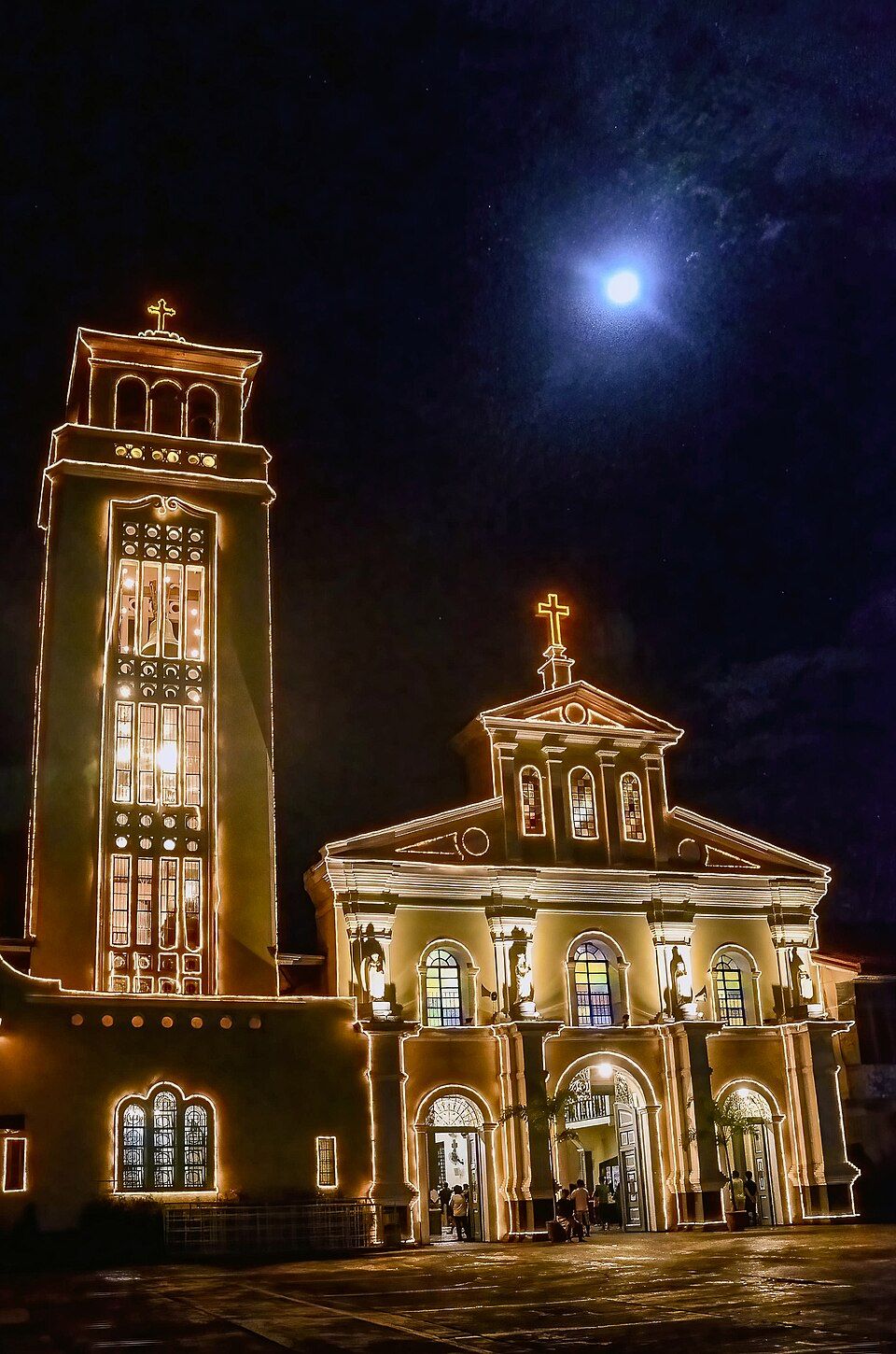
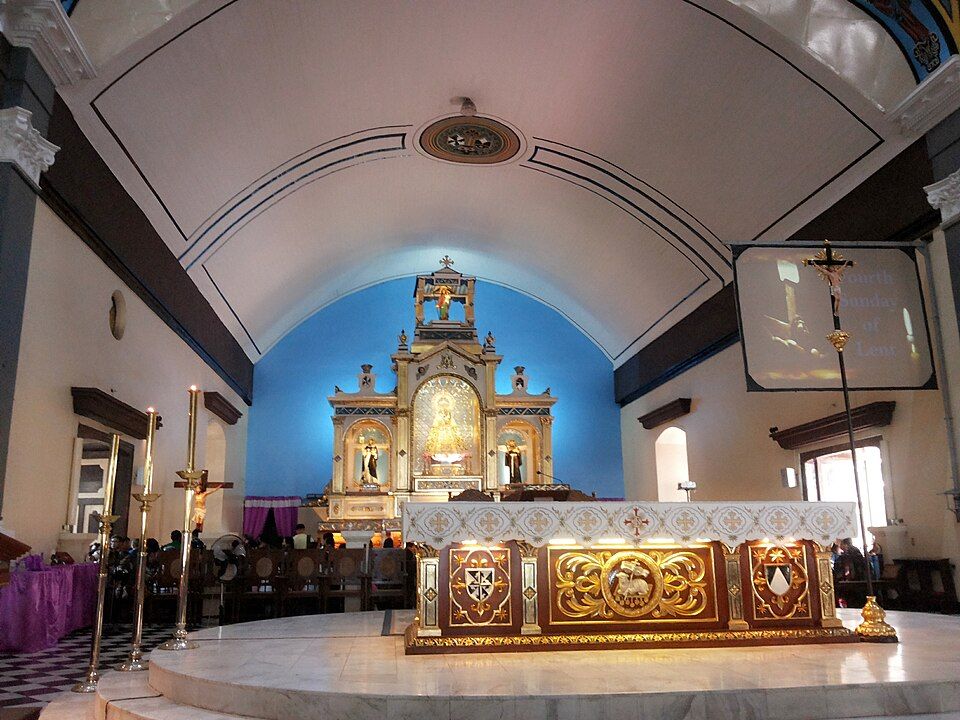
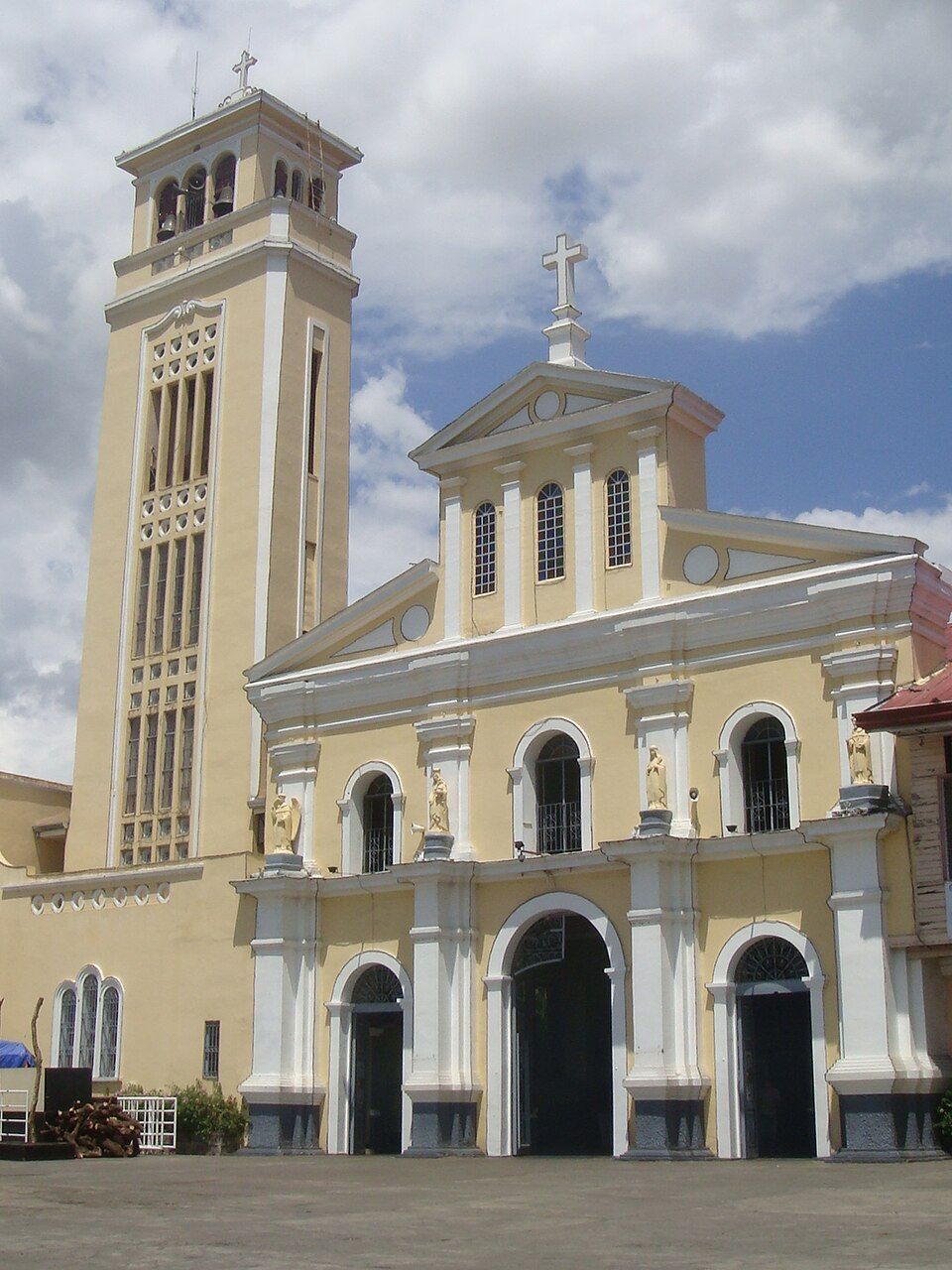
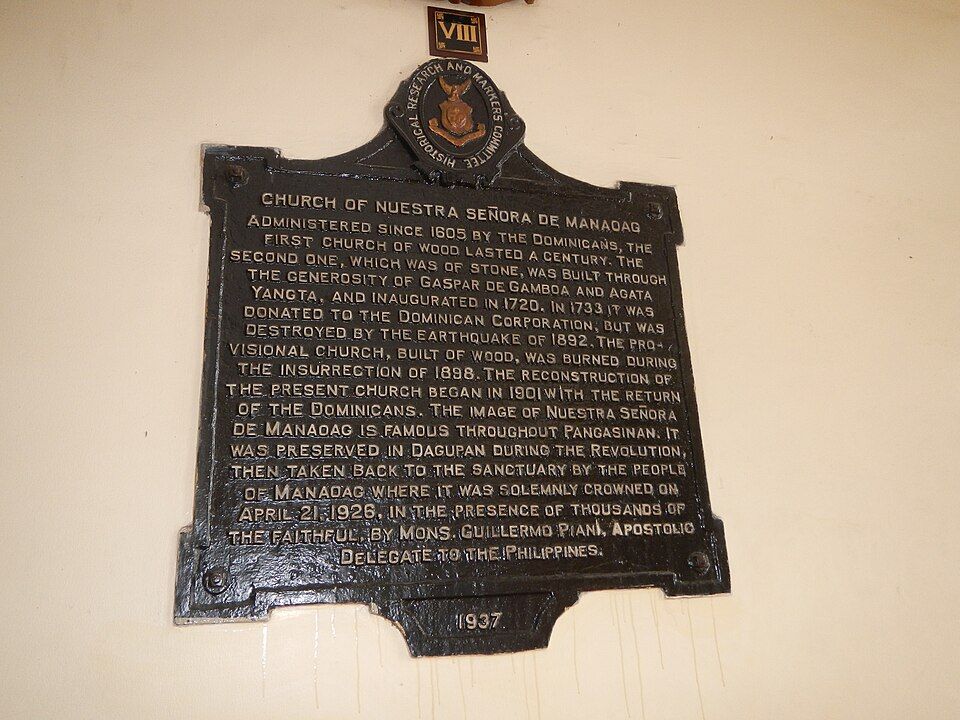
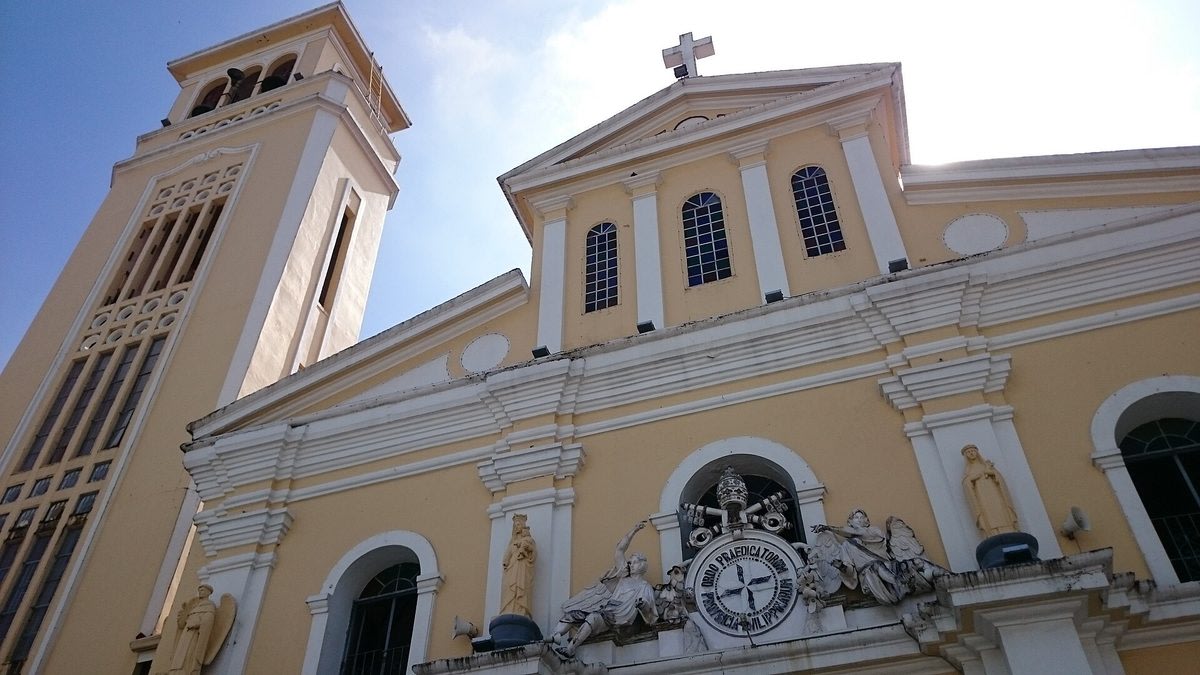
The Basilica of Our Lady of the Rosary of Manaoag in Pangasinan province is one of the Philippines' most beloved Marian shrines, drawing approximately two million pilgrims annually. The devotion dates to 1610, when a Dominican friar reportedly heard the voice of the Virgin Mary from a tree near the site, and an image of Our Lady of the Rosary was enshrined in the chapel he subsequently built. The image — Our Lady holding the Child Jesus, with a rosary in her hand — has been venerated for over 400 years. Manaoag is famous for miracle stories: over the centuries, devotees have reported cures, rescues, and divine interventions attributed to Our Lady of Manaoag. During the Japanese occupation of the Philippines in World War II, the town of Manaoag was spared from bombing — an event attributed by locals to the protection of Our Lady. The church itself was used as a concentration camp during the war but survived intact. Holy Week at Manaoag draws approximately 600,000 pilgrims in seven days, many completing the final kilometres on their knees. The October rosary season is also a major pilgrimage time. Pilgrims from across Luzon and the diaspora come to Manaoag for intercession in impossible situations — which has given the shrine the popular name: the shrine of impossible cases.
Over 400 years of continuous devotion — the image was enshrined in 1610 by Dominican missionaries
Approximately 600,000 pilgrims come during Holy Week alone Known as the shrine of impossible cases — the intercession sought here is for the most desperate prayers The town of Manaoag was reportedly spared from bombing during the Japanese occupation of World War II
Approximately 2 million pilgrims per year from across Luzon and the global Filipino diaspora
pilgrims bring rosaries to be blessed and take them home as protective objects.
On the basilica grounds A spring on the basilica grounds is associated with healing. Pilgrims take its water home.
is very strong at Manaoag.
Along the approaches to the basilica [OUTDOOR] During Holy Week, pilgrims walk the final kilometres on their knees on the road leading to the basilica. The sight of hundreds of people moving on bloodied knees along the highway is one of the most striking expressions of penitential devotion in Philippine Catholicism.
Adjacent to the main basilica A hall filled with photographs, plaques, and objects left by those whose petitions were answered. Every object tells a story: a framed photograph of a child who survived cancer, a police badge, a diploma, a wedding photograph. The collective testimony of answered prayer is overwhelming.
Surrounding the church [OUTDOOR] The well-maintained grounds include stations of the cross, a replica Lourdes grotto, and open air chapels. Pilgrims who cannot enter the crowded basilica pray in these outdoor spaces.
sleeping, praying, cooking, and waiting.
People call Manaoag the shrine of impossible cases. They do not mean that the cases are impossible for Our Lady — they mean that the cases were impossible for everyone else. The doctors had given up. The courts had failed. The money had run out. Only then did they come to Manaoag. This is a fact about Filipino faith and also a fact about prayer: it is most itself when there is nothing left to lose. When all the human options are exhausted, the divine option remains.
The Basilica of Our Lady of the Rosary of Manaoag in Pangasinan province is one of the Philippines’ most beloved Marian shrines, drawing approximately two million pilgrims annually. The devotion dates to 1610, when a Dominican friar reportedly heard the voice of the Virgin Mary from a tree near the site, and an image of Our Lady of the Rosary was enshrined in the chapel he subsequently built. The image — Our Lady holding the Child Jesus, with a rosary in her hand — has been venerated for over 400 years.
Manaoag is famous for miracle stories: over the centuries, devotees have reported cures, rescues and divine interventions attributed to Our Lady of Manaoag. During the Japanese occupation of the Philippines in World War II, the town of Manaoag was spared from bombing — an event attributed by locals to the protection of Our Lady. The church itself was used as a concentration camp during the war but survived intact.
Holy Week at Manaoag draws approximately 600,000 pilgrims in seven days, many completing the final kilometres on their knees. The October rosary season is also a major pilgrimage time. Pilgrims from across Luzon and the diaspora come to Manaoag for intercession in impossible situations — which has given the shrine the popular name: the shrine of impossible cases.