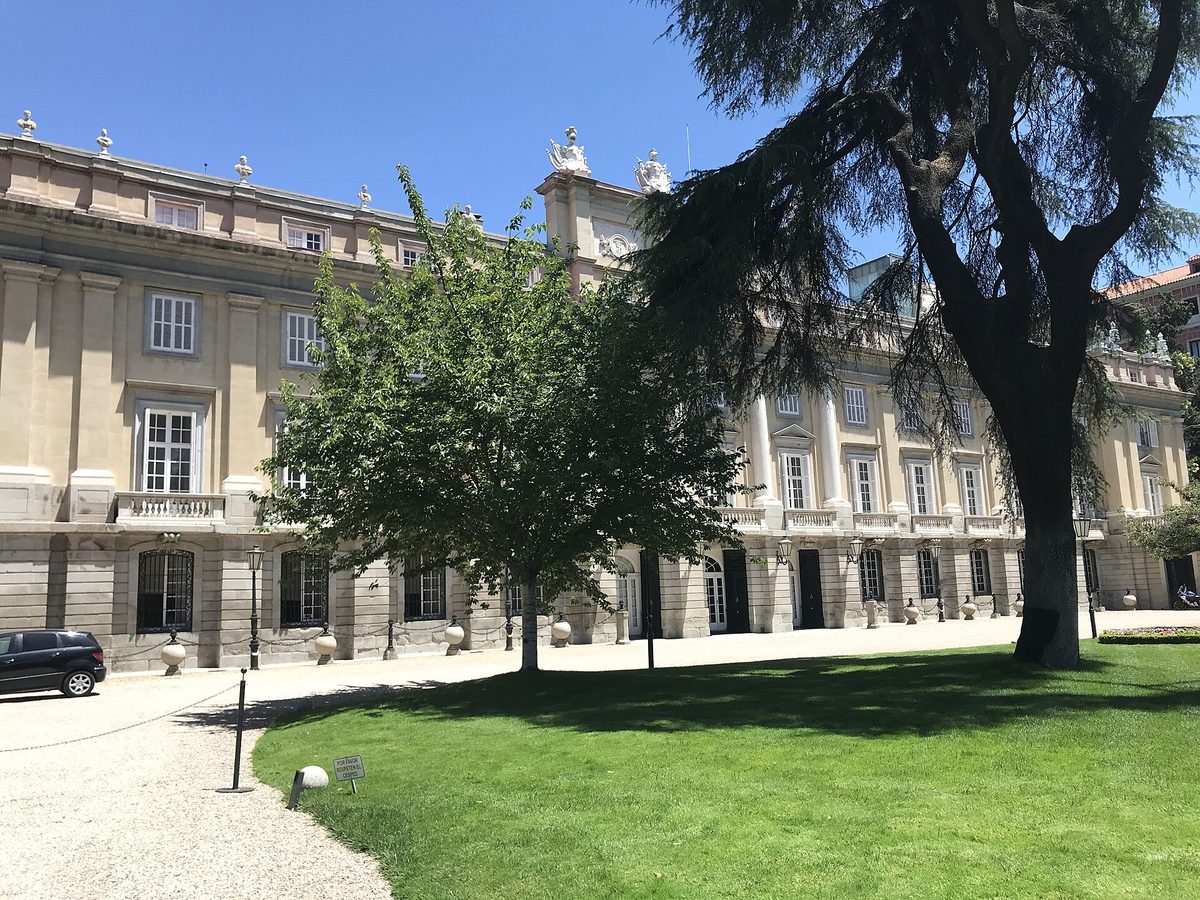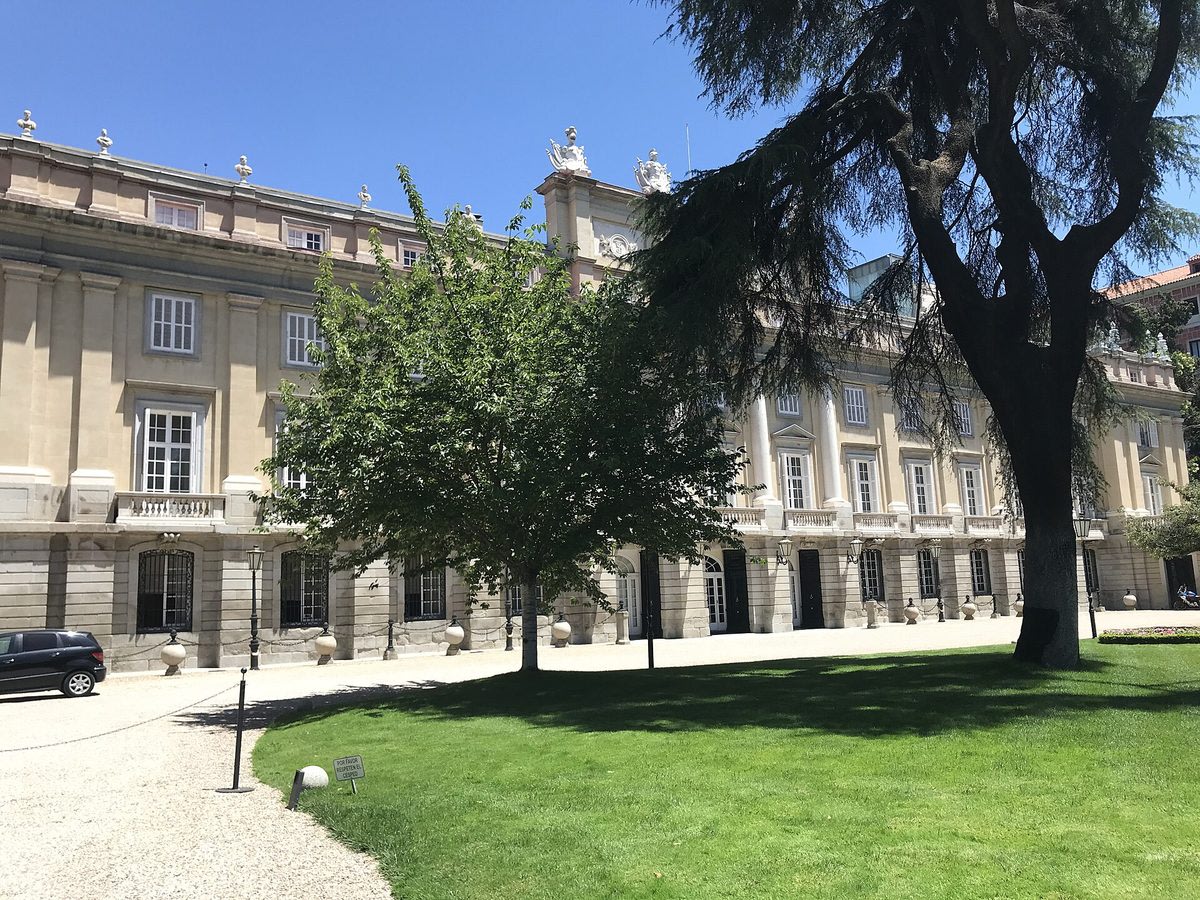
The Palacio de Liria, set behind high walls on the Calle de la Princesa in Madrid, is the principal Madrid residence of the House of Alba — Spain's oldest and most celebrated noble dynasty, and the family that holds more Grandeeships of Spain than any other house in history. The palace itself was built in the eighteenth century to the designs of Ventura Rodríguez, but it was gutted by Republican incendiary bombs in 1936 during the Spanish Civil War and meticulously rebuilt and refurnished in the decades that followed. What survived the fire and what was subsequently recovered and acquired forms one of the most remarkable private art collections on the Iberian Peninsula: a gathering of religious masterworks that reflects six centuries of Castilian, Flemish, Italian and Venetian devotional painting at its most elevated. The Christian art holdings of the Palacio de Liria are extraordinary by any measure. Fra Angelico, the Florentine Dominican friar whose serene Madonnas and luminous altarpieces defined the early Renaissance language of sacred beauty, is represented in the collection. Alongside him hang works by Titian — the supreme Venetian colorist, whose religious paintings for the Spanish Crown established the visual vocabulary of Habsburg piety — and by Diego Velázquez, whose psychologically penetrating portraits of saints and sacred figures combined Spanish realism with devotional intensity. El Greco, the Cretan-born master who settled in Toledo and developed an incandescent, mystical style unique in European art, is present through works that embody the spiritual ecstasy of the Counter-Reformation. Peter Paul Rubens, who served as court painter to the Spanish Crown and whose enormous altarpieces still dominate Antwerp churches, contributes large-scale religious compositions, while Francisco Goya — the tortured genius who bridged the Baroque and the modern — adds devotional works of his own singular temperament. The House of Alba has been collecting art since the fifteenth century, and the collection reflects the tastes of successive generations — warriors, diplomats, royal favourites and literary patrons — who acquired works across Europe as Spain's imperial reach extended from the Americas to the Netherlands. Today guided tours of the palace allow visitors to walk through gilded rooms hung with these masterpieces, an experience that combines the grandeur of a royal palace with the intimacy of a private home still lived in by the Alba family.
The principal Madrid residence of the House of Alba, Spain's most-titled noble dynasty, holding Christian art accumulated over six centuries.
Fra Angelico's devotional panels represent the luminous early Renaissance tradition of sacred art made for contemplation and prayer.
Works by Titian, Velázquez, El Greco, Rubens and Goya trace the entire arc of Spanish and European religious painting.
The palace was rebuilt after severe bomb damage in the Spanish Civil War, with the surviving collection meticulously reinstalled.
Open to the public on guided tours — a rare opportunity to see major Christian masterworks in their original aristocratic setting.
The House of Alba
The Álvarez de Toledo family, Dukes of Alba, have been at the centre of Spanish history since the fifteenth century. The third Duke of Alba, Fernando Álvarez de Toledo, is the most famous — and most controversial — member of the dynasty: the general who suppressed the Dutch revolt with legendary ruthlessness in the 1560s, and whose victories brought him into conflict with William of Orange. But the Albas were also patrons on the grandest scale. The great Duchess of Alba, María del Pilar Teresa Cayetana, was painted twice by Goya in portraits so intimate and charged that rumours of a love affair between the painter and his aristocratic subject persisted for two centuries. The fifteenth Duchess, Cayetana Fitz-James Stuart, who died in 2014, was the most-titled aristocrat in the world, holding ninety-six titles in her own right. She embodied the paradoxical character of the family — simultaneously grand and accessible, fiercely proud and genuinely cultivated.
The Collection's Christian Art
The devotional paintings of the Palacio de Liria represent the full span of European religious art from the early fifteenth century to the early nineteenth. Fra Angelico's panels bring to the collection the meditative sweetness and luminous colour of the Florentine Quattrocento — an art made not for display but for prayer, the painter himself famously said that one must be a saint to paint sacred subjects. Titian's religious works, executed for the most powerful Catholic dynasty in history, carry the weight of imperial faith: the Habsburgs used Titian's Madonnas, Holy Families and scenes of the Passion to project a vision of divine sanction for their rule. Velázquez, by contrast, painted saints as though they were neighbours — St Anthony Abbot and St Paul the Hermit depicted in a rocky Spanish landscape with the quiet gravity of a conversation piece. El Greco's contributions shimmer with the elongated, otherworldly intensity that made him the preferred painter of Castilian mystics: his Virgins and apostles seem lit from within, their forms twisted by spiritual force rather than physical weight.
The Building
The Palacio de Liria was designed by Ventura Rodríguez and construction began in 1770 under the direction of the thirteenth Duke of Alba. It was one of the finest examples of Neoclassical architecture in Madrid, a palace of enfilading state rooms decorated with gilded plasterwork, painted ceilings and parquet floors. The Civil War bombardment of November 1936 destroyed much of the interior, and the library — one of the richest private libraries in Spain — was largely consumed by fire. The rebuilding, completed in the 1960s under the fifteenth Duchess, restored the palace to something approaching its former grandeur, with many of the surviving paintings rehung in rooms that replicate the scale and atmosphere of the original interiors.
Rubens and the Counter-Reformation
Peter Paul Rubens visited the Spanish court in 1628–1629 on a diplomatic mission for the Infanta Isabella, and his relationship with Spanish royal and aristocratic patronage was long and productive. The religious canvases by Rubens in the Palacio de Liria collection belong to the Counter-Reformation tradition of triumphant Catholic imagery — large, dynamic compositions in which the Virgin, the saints and the heavenly host overwhelm the picture plane with colour, movement and theological confidence. Rubens painted Catholicism as a living, victorious force, and his works were acquired by Spanish grandees precisely because they conveyed that message with unrivalled visual power.
Goya's Devotional Works
Francisco Goya is best known to modern audiences for the terrifying Black Paintings of his old age, but he was also a practising Catholic whose earlier religious works — the frescoes of San Antonio de la Florida, the devotional paintings executed for Aragonese churches — demonstrate a genuine piety expressed through his distinctive combination of Rococo lightness and psychological intensity. The Goya works in the Alba collection occupy a special place: they were painted for and sometimes given to the family, and they carry the charge of personal history that few purely commercial commissions can match.
Visiting
The Palacio de Liria is open to guided tours on selected days of the week. Booking is essential and places are limited, as the palace remains a private residence. Tours cover the principal state rooms and the gallery spaces where the collection is displayed. The palace is located in the Argüelles neighbourhood of Madrid, easily reached by metro. Photography restrictions apply in certain rooms.