The Wildenstein family name is inseparable from the history of the Western art market. Founded as a Paris gallery in the 1870s by Nathan Wildenstein, the dynasty grew across four generations into a global network of galleries — in Paris, New York, London, Buenos Aires and Tokyo — that handled more great paintings than almost any other dealer in history. At the peak of their influence, the Wildensteins were estimated to control a private collection valued at upwards of ten billion dollars: Old Masters, Impressionists and medieval works accumulated over more than a century of buying at auction, from distressed aristocratic estates, and from the studios of living artists. Among the Christian art held by the family are panels and altarpieces attributed to Giotto di Bondone, the father of Western painting, as well as major religious canvases by Caravaggio, El Greco, Peter Paul Rubens and Rembrandt van Rijn — names that represent the entire arc of European sacred art from the thirteenth century to the seventeenth. The collection is not a museum, and it has never been open to the public. Works are kept in storage facilities, transported between gallery spaces in Paris and New York, and periodically loaned to major institutions — the Louvre, the Metropolitan Museum of Art, the Prado — where they appear in landmark exhibitions before returning to private hands. This opacity has made the Wildenstein holdings a subject of fascination and, at times, of legal controversy. After the death of Daniel Wildenstein in 2001, disputes between family members and the French government over the scale of undisclosed holdings prompted years of litigation, casting an extraordinary light on just how vast the collection had become. Observers who had the rare opportunity to see the family stockrooms described rooms lined with unframed canvases stacked against walls — not a curated collection but an archive of civilisation held in trust by a single family. For the Christian art pilgrim, the Wildenstein collection represents a kind of shadow gallery: works that have shaped the devotional imagination of the West, that once hung in chapels and refectories and royal oratories, now held in climate-controlled darkness. Their periodic emergence at auction or on museum walls is a reminder of how much of Europe's sacred heritage has passed into private keeping, and of the unpredictable paths by which great religious art moves through history.
One of the largest and most valuable private art collections ever assembled, estimated at upwards of ten billion dollars at its peak.
Christian masterworks by Giotto, Caravaggio, El Greco, Rubens and Rembrandt have passed through or been retained by the family over four generations.
The collection is entirely private — no public gallery exists, and works appear only through museum loans and at major auction houses.
Post-2001 litigation revealed thousands of undisclosed works held in freeport warehouses across Europe and North America.
The Wildenstein Plattner Institute continues the family's art historical research mission, cataloguing works by major European masters.
The Wildenstein Dynasty
The story of the Wildenstein collection begins in Alsace, where Nathan Wildenstein was born in 1851. He moved to Paris as a young man and established himself as an antique dealer, eventually opening a gallery on the Rue La Boétie that would become one of the most powerful commercial art enterprises of the twentieth century. His son Georges Wildenstein transformed the gallery into an international force, cultivating relationships with Picasso and Matisse while simultaneously amassing Old Masters of the first rank. Georges also founded the Gazette des Beaux-Arts, one of the oldest surviving art history journals, lending the family an aura of scholarly respectability that complemented their commercial power.
Daniel Wildenstein, who inherited control in the 1960s, extended the business to New York and Tokyo, and is credited — or blamed, depending on one's perspective — with turning the gallery into something closer to a hedge fund than a cultural institution. Under Daniel, the family's acquisition of Christian art intensified: Flemish altarpieces, Spanish devotional panels, Italian gold-ground Madonnas, and Baroque religious canvases were purchased in bulk when great European estates were broken up after the Second World War. Many works were never catalogued publicly and remain unknown outside a small circle of specialists.
Christian Art Highlights
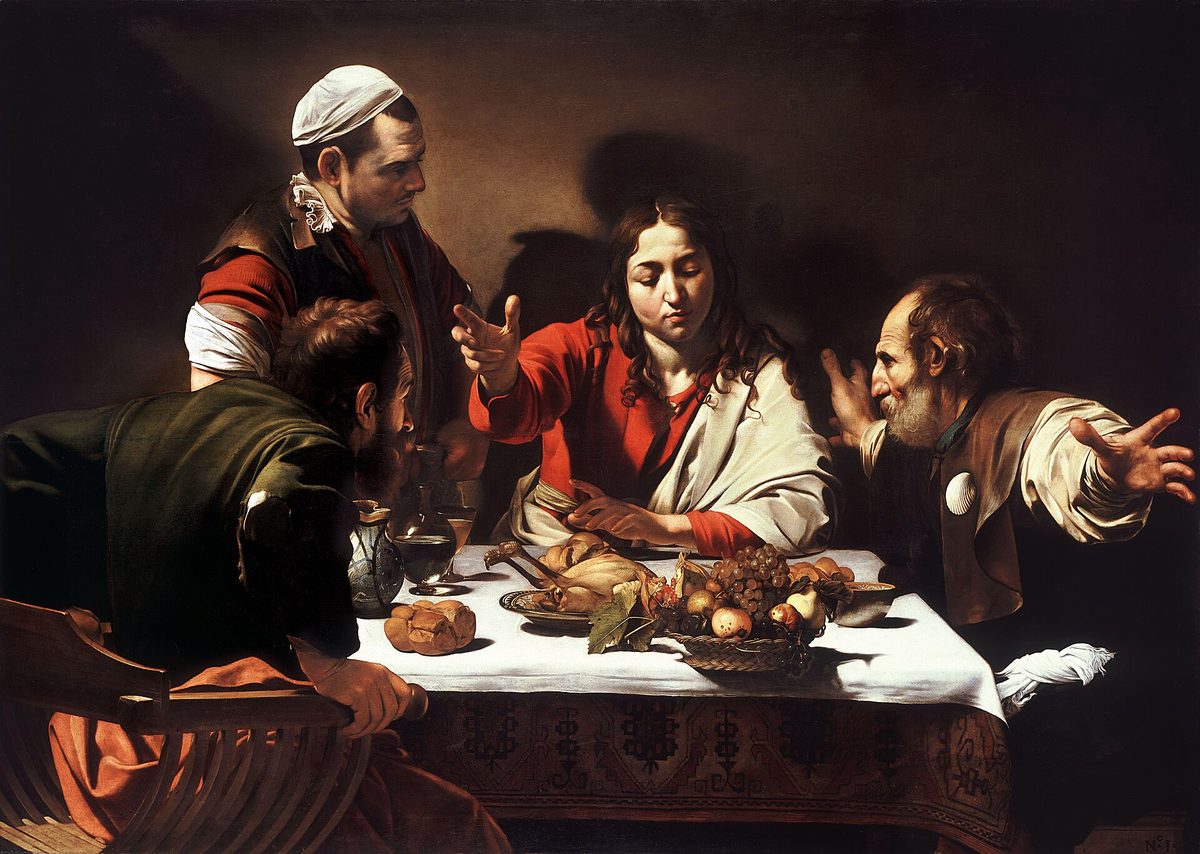
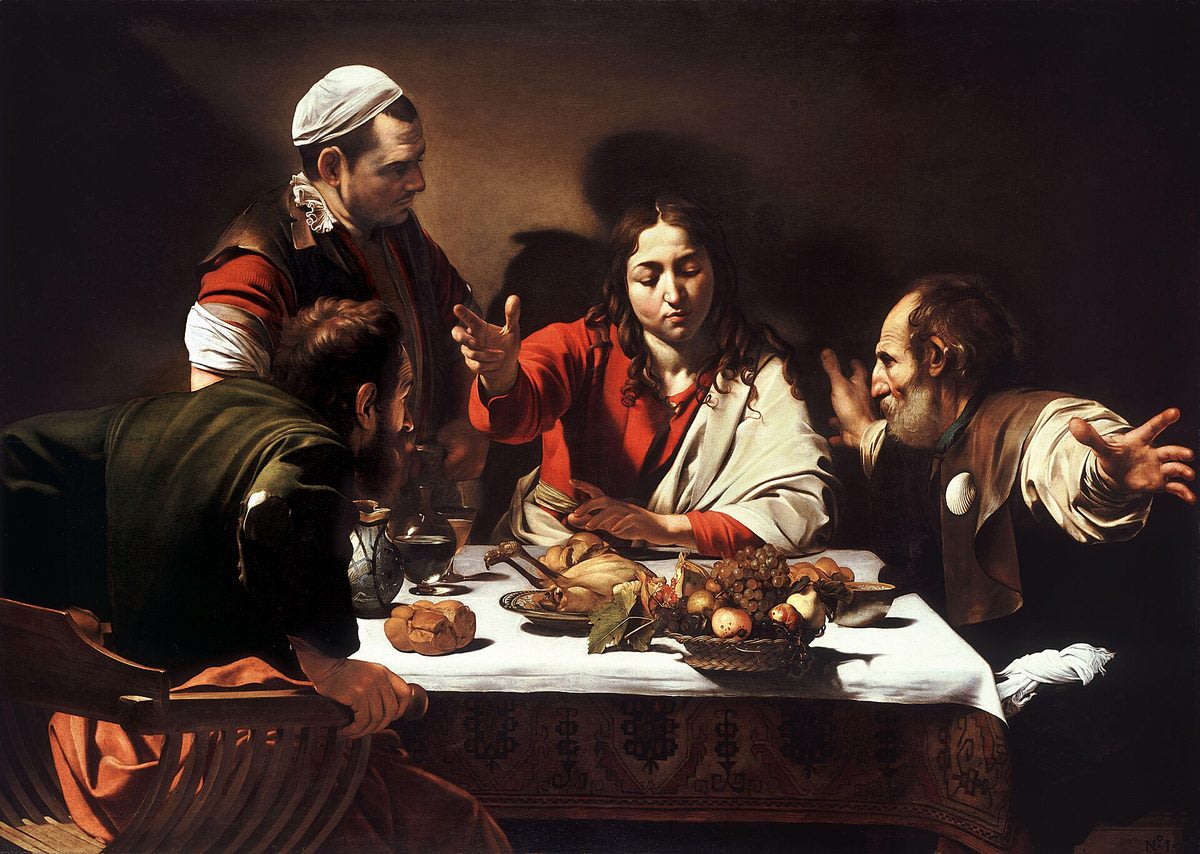
Among the Christian works associated with the Wildenstein holdings are panels from the circle of Giotto, whose revolutionary naturalism in depicting the Madonna and the Passion cycle laid the groundwork for the entire tradition of Western religious painting. The family handled and retained works by Caravaggio — whose dramatic chiaroscuro transformed scenes of martyrdom, ecstasy and divine visitation into viscerally human confrontations — as well as multiple canvases by El Greco, whose attenuated, incandescent saints and Virgins represent the spiritual zenith of Spanish Mannerism. Rubens, the supreme Catholic artist of the Counter-Reformation, appears in the holdings through large-scale religious compositions that once served altarpieces across Flanders and Italy. Rembrandt's biblical scenes — brooding, intimate readings of Old and New Testament narratives — complete a collection that spans the full theological and aesthetic range of European Christian art.
The Collection's Invisibility
The Wildenstein collection is, in a very real sense, invisible. No catalogue raisonné of the family's holdings has ever been published. No permanent gallery exists. Works appear in the public record when they are sold at Christie's or Sotheby's, or when they are loaned to institutions for specific exhibitions, and then they disappear again. After Daniel Wildenstein's death in 2001, French tax authorities and family members engaged in prolonged legal battles that revealed the existence of thousands of undisclosed works held in bank vaults and freeport warehouses in Geneva, Delaware and elsewhere. Court documents described a collection that had been systematically concealed from public view and from national tax authorities across multiple jurisdictions.
Loans and Legacy
Despite — or perhaps because of — this opacity, the Wildenstein name remains central to the study of Christian art. Works lent by the family have appeared in major museum exhibitions dedicated to Caravaggio, Rubens, Rembrandt and Giotto, often supplying key examples that no public institution could provide. The family's scholarly publications, particularly the multi-volume catalogues of Monet and Gauguin produced under Daniel Wildenstein, demonstrate a genuine commitment to art historical rigour that sits uneasily alongside the secrecy surrounding the private holdings. For the student of Christian art, the Wildenstein collection is a reminder that some of the most significant religious masterworks in existence are not in the Louvre or the Uffizi but in private hands — unseen, unstudied, and awaiting an uncertain future.
Visiting
The Wildenstein collection is not open to the public. Works from the collection appear periodically on loan at major museums worldwide, and occasionally at auction. The Wildenstein Plattner Institute, established in 2016, focuses on digital art history research and holds some archival materials, but does not function as a public gallery. Enquiries about specific works or loans should be directed through the family's Paris office.