The Tomb of St Anthony
Cappella del Santo, left transept The marble tomb stands at the centre of the chapel.
 Pilgrimstays
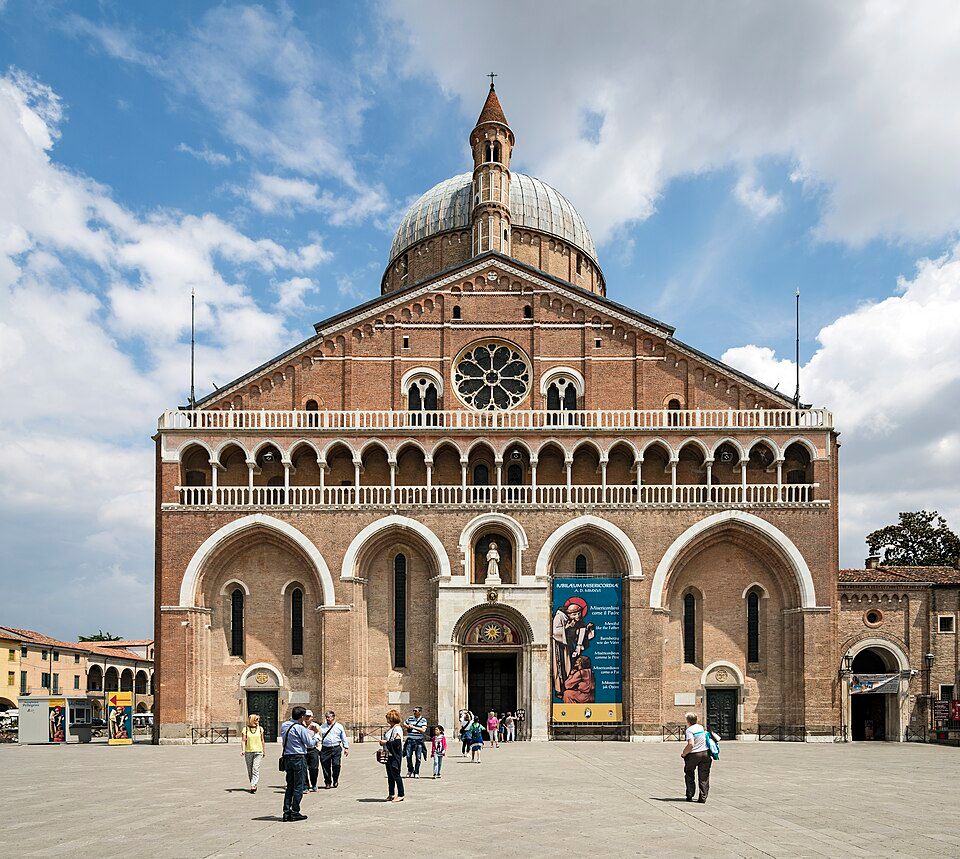
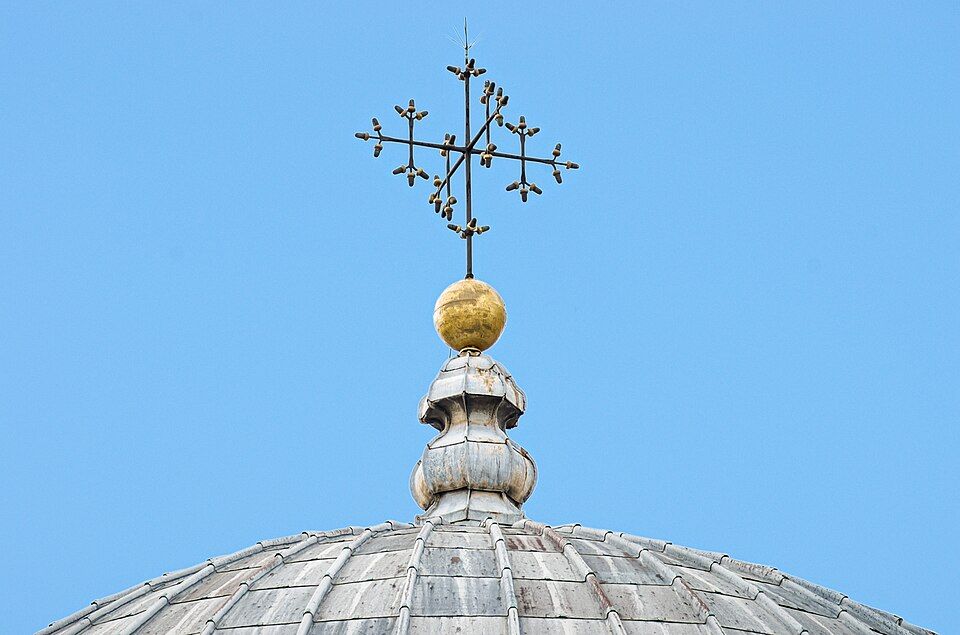
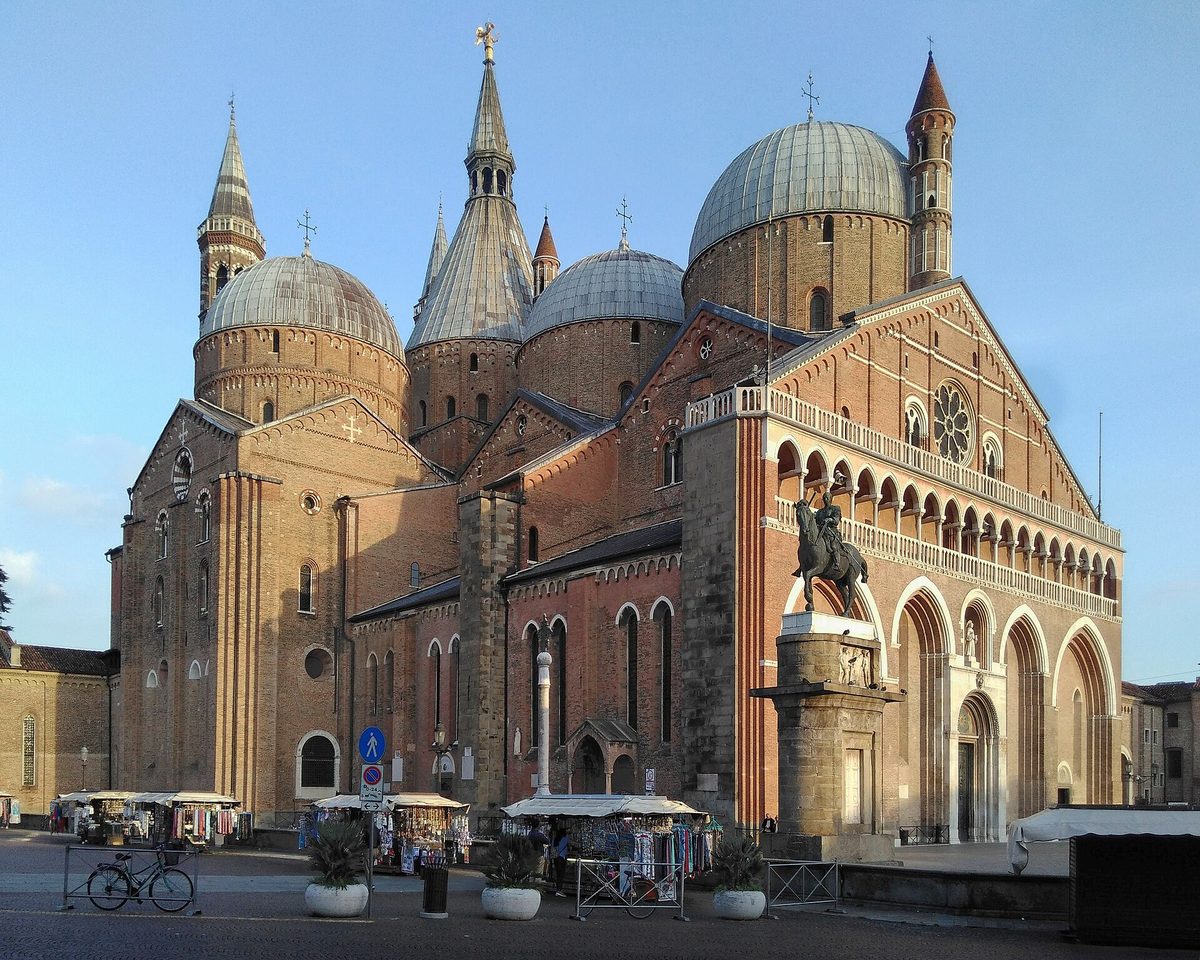
The Basilica of Sant'Antonio — known to all as Il Santo — is one of the great pilgrimage churches of Christendom, receiving approximately 6.5 million visitors each year. It is the burial place of St Anthony of Padua, who died in 1231, was canonised within a year of his death, and became one of the most beloved saints in all of Catholicism. His tomb draws a continuous stream of pilgrims pressing their hands to the cool marble — the most tactile act of intercession in the Catholic world. Anthony was born in Lisbon in 1195 but his brief life was spent in Italy in the Franciscan Order. He was a preacher of extraordinary power, a theologian of great depth, and a thaumaturge who became famous throughout Europe within years of his death. He is the patron of the poor, travellers, the sick, and dozens of nations. The basilica combines Romanesque structure with Byzantine domes and Gothic detail. The Donatello bronze reliefs on the high altar are masterpieces of 15th-century sculpture. The Cappella delle Reliquie preserves Anthony's chin, tongue and vocal cords — found incorrupt when his tomb was opened in 1263 — in a golden reliquary.
One of the seven pilgrim churches of Christendom — attracting 6.5 million pilgrims annually The tongue
and vocal cords of St Anthony were found incorrupt when his tomb was opened 31 years
after his death The Donatello bronze reliefs on the high altar are among the greatest works
of Renaissance sculpture St Anthony was canonised within 352 days of his death — one of
the fastest canonisations in Church history The June 13 feast draws hundreds of thousands of pilgrims
Cappella del Santo, left transept The marble tomb stands at the centre of the chapel.
crutches, plaques, photographs. Pilgrims queue to lay hands on the cold marble: at this touch, the distance between the living and the dead collapses.
Adjacent to the Cappella del Santo Contains the incorrupt tongue, chin, and vocal cords of St Anthony in elaborate golden reliquaries. When the tomb was opened in 1263, St Bonaventure raised the tongue and said: O blessed tongue, that always praised the Lord. The vocal cords were also found intact.
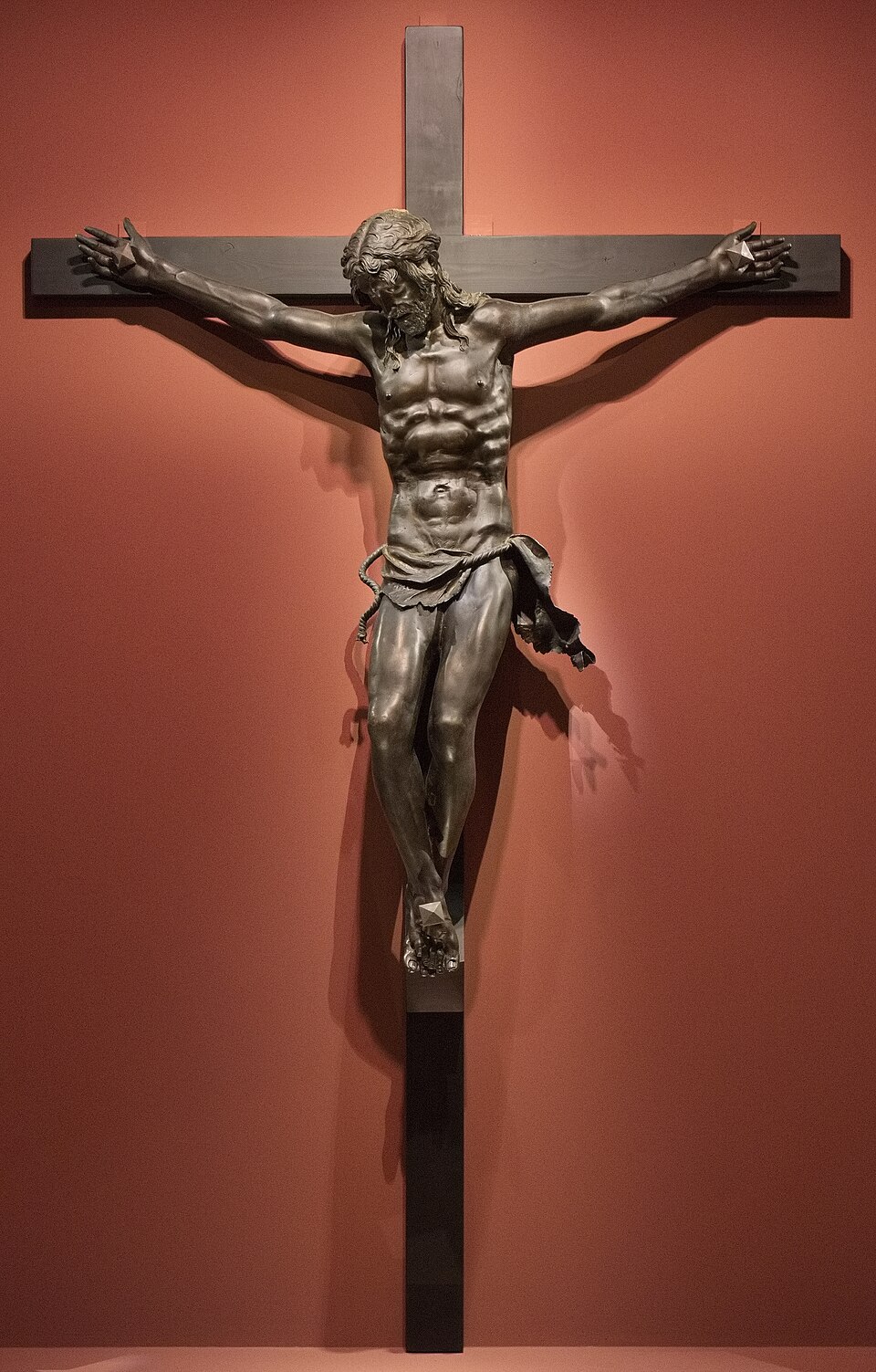
High altar, main nave Bronze reliefs completed between 1444 and 1448 depict the life and miracles of St Anthony with extraordinary dramatic power. Together with the bronze crucifix and free-standing statues, they form one of the great programmes of Renaissance religious art.
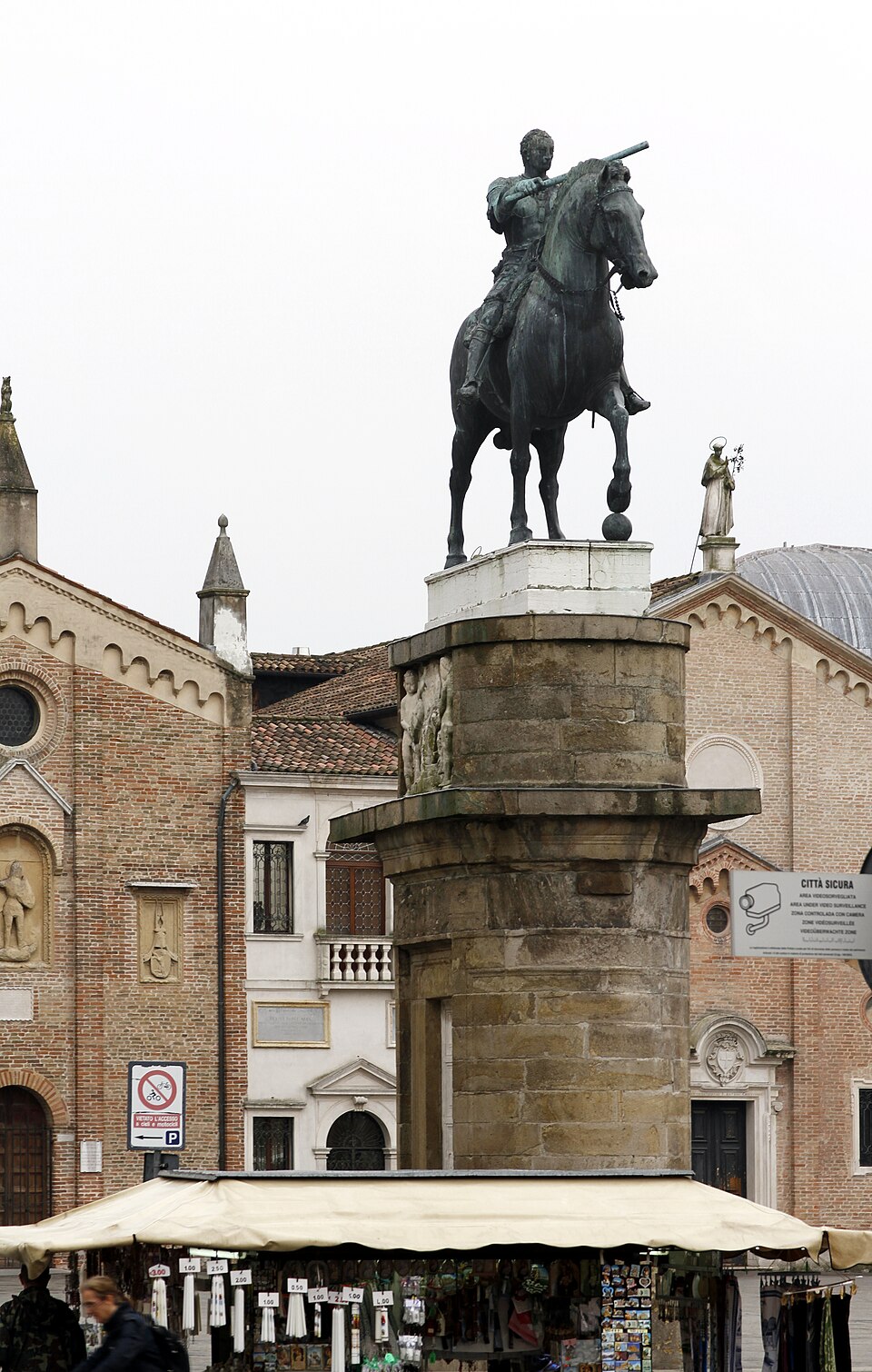
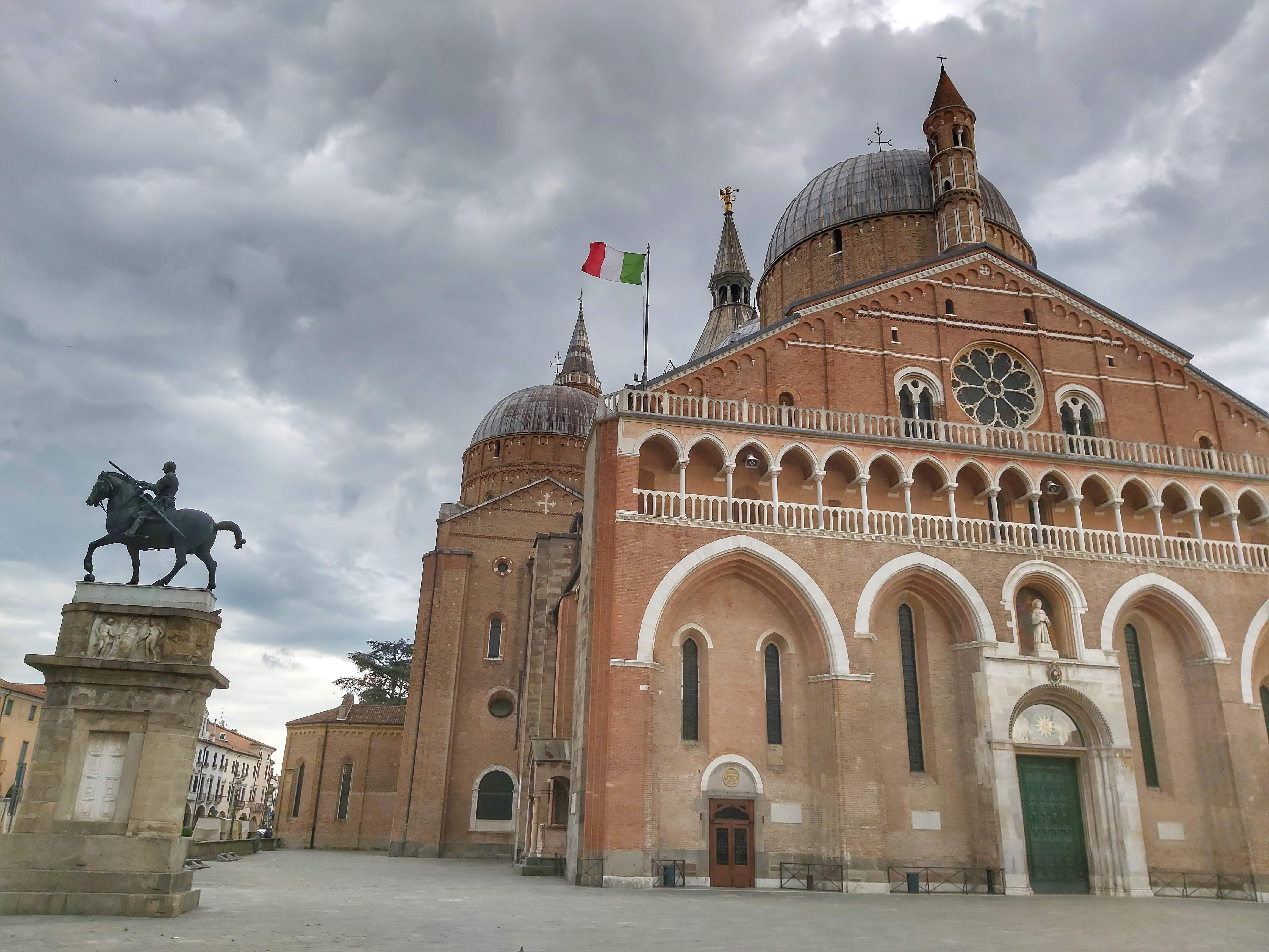
Piazza del Santo [OUTDOOR] Donatello's bronze of the condottiere Gattamelata, unveiled in 1453, was the first large-scale equestrian statue cast in the Renaissance. Standing outside the basilica, it marks the recovery of classical confidence in sculpture.
a disturbing parable about what we truly treasure.
The tongue of St Anthony was found incorrupt. For centuries this struck theologians as a particular sign: the organ he had used to preach the Gospel was preserved. But there is another reading. Anthony's tongue is incorrupt because the words he preached were true. Truth does not decay. The Gospel he proclaimed with that tongue still runs through the world like a living current.
“Do not worry about what to say. At that time you will be given what to say, for it will not be you speaking, but the Spirit of your Father speaking through you.”
Read in full on Bible Gateway →The Basilica of Sant’Antonio — known to all as Il Santo — is one of the great pilgrimage churches of Christendom, receiving approximately 6.5 million visitors each year. It is the burial place of St Anthony of Padua, who died in 1231, was canonised within a year of his death, and became one of the most beloved saints in all of Catholicism. His tomb draws a continuous stream of pilgrims pressing their hands to the cool marble — the most tactile act of intercession in the Catholic world.
Anthony was born in Lisbon in 1195, but his brief life was spent in Italy in the Franciscan Order. He was a preacher of extraordinary power, a theologian of great depth, and a thaumaturge who became famous throughout Europe within years of his death. He is the patron of the poor, travellers, the sick, and dozens of nations.
The basilica combines Romanesque structure with Byzantine domes and Gothic detail. The Donatello bronze reliefs on the high altar are masterpieces of 15th-century sculpture. The Cappella delle Reliquie preserves Anthony’s chin, tongue and vocal cords — found incorrupt when his tomb was opened in 1263 — in a golden reliquary.