Camino de Santiago
Site · Other

Camino de Santiago

Galicia to Santiago, Spain

"The Camino de Santiago is the most famous pilgrimage network in the world: a system of ancient routes conve..."

Highlights

  • 1A record 499,239 pilgrims received the Compostela certificate in 2024 — the highest in history
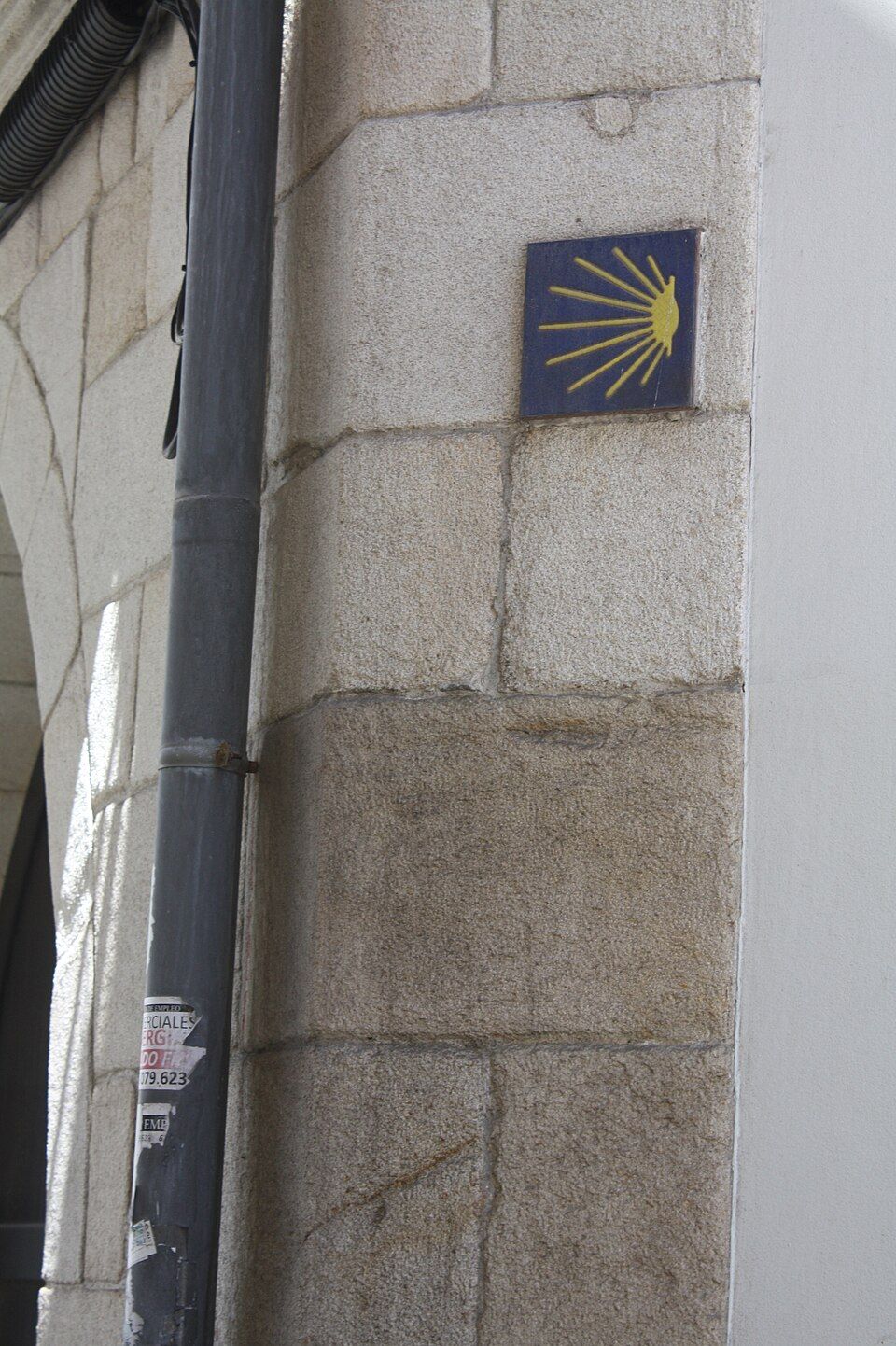
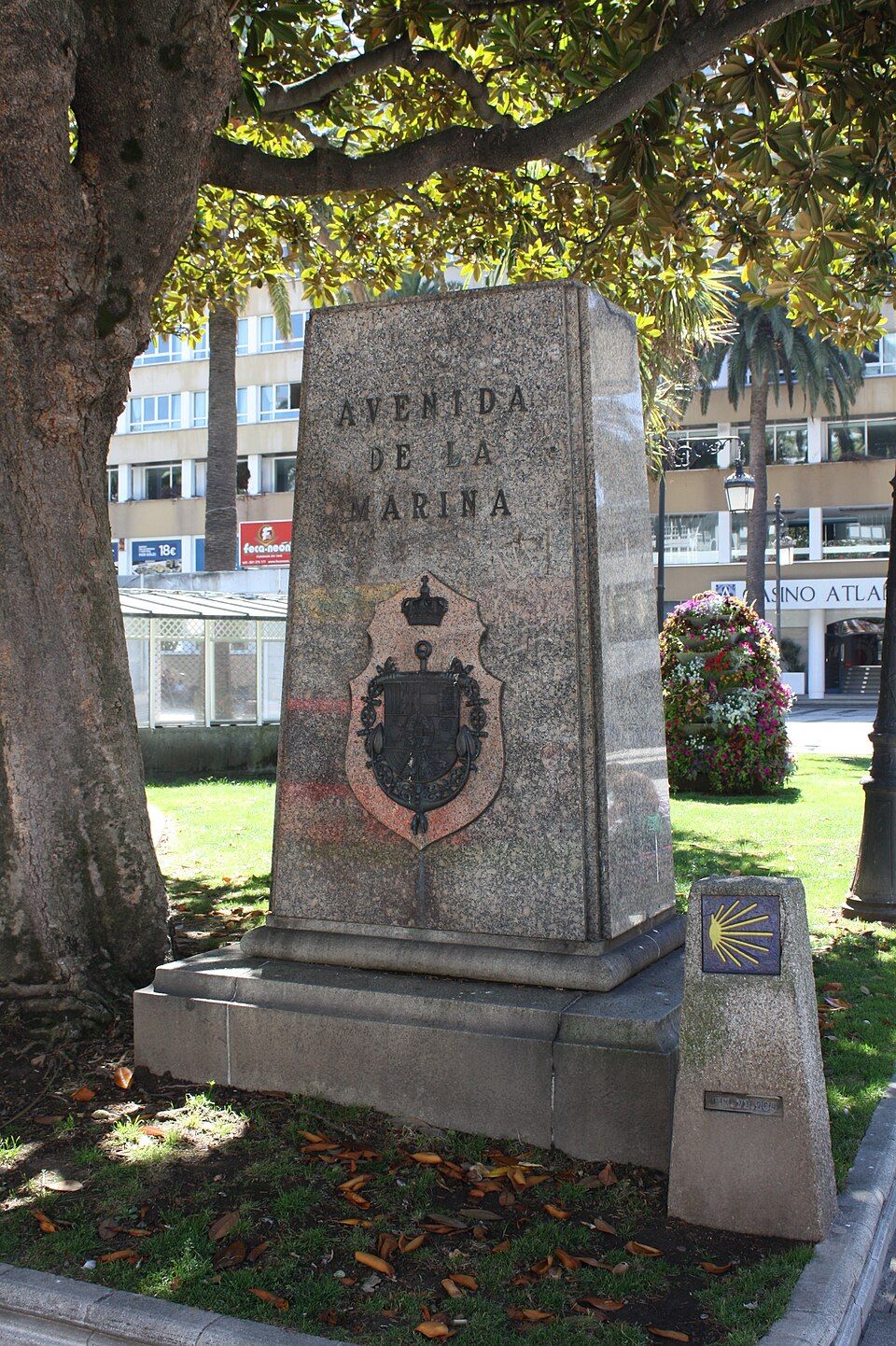
  • 2The route network has been walked continuously since the 9th century — over 1,100 years UNESCO World Heritage Site — the Camino Francés and French routes recognised in 1993 and 1998 The yellow arrow (flecha amarilla) and scallop shell mark the route across 8 countries The Camino attracts pilgrims of all faiths and none — the most inclusive active pilgrimage on earth

Getting There

📍

Address

St Jean Pied de Port, Pyrénées-Atlantiques, France (traditional Camino Francés starting point)

🗺

Directions

The Camino Francés begins at St Jean Pied de Port in France (trains from Bayonne). The Via Portuguesa begins in Lisbon or Porto. Most routes are well-marked with yellow arrows and scallop shells. The pilgrim passport (credencial) is stamped at churches, albergues, and cafes along the route.

Open in Google Maps

Timings

Current time — Madrid Time (CET)

--:--:--

WhenHours
The route Open 24 hours — you walk whenever you walk Albergues (pilgrim hostels) Typically open from2:00 PM
Santiago Cathedral9:00 AM - 8:00 PM

The Camino Francés (800 km from St Jean Pied de Port) typically takes 30-35 days walking. The Portuguese (120 km from Porto or 600 km from Lisbon) is the second most walked. All routes end at the Santiago Cathedral Pilgrim Mass. Pre-walking training and good boots are essential.

Masses & Events

Daily Walking

Begin before dawn; aim to arrive at each stage by early afternoon

The rhythm of the

Camino Pilgrim Mass

Daily 12:00 PM at Santiago Cathedral

The culmination of every

Camino Compostela Certificate

Issued at the Pilgrim Office (Oficina del Peregrino) on arrival

The formal certificate of completion

Must See

1

The Meseta

Central Spain, between Burgos and León (Camino Francés) The high plateau of central Spain

flat, treeless, enormous — is the most psychologically challenging part of the Camino Francés. Pilgrims walk for days under a vast sky with little shade and fewer distractions. The Meseta is where the Camino does its most important work: it removes everything external and leaves you with your own thoughts for hours. Most pilgrims describe it as difficult and transformative in equal measure.

2

O Cebreiro

The Mountain Pass into Galicia

Near the Galician border [OUTDOOR] The steep climb to O Cebreiro at 1,293 metres, with views back over León province and forward into the green valleys of Galicia, is the emotional turning point of the Camino Francés. For many pilgrims, crossing into Galicia in the fog and rain is the moment the journey becomes real. The Cruz de Ferro (Iron Cross) — Near Foncebadón, Camino Francés A simple iron cross on a wooden pole, surrounded by an enormous cairn of stones brought by pilgrims from their home countries.

3

Tradition holds that pilgrims leave a stone here

carrying something from home and releasing it. The mountain of accumulated stones is one of the most moving pilgrimage gestures in the world.

4

The Albergue Community

Every night along the route The albergue

pilgrim hostel — is the social heart of the Camino. In dormitory bunks, at shared meals, and over shared blisters, pilgrims from 50 nations meet as strangers and leave as companions (peregrinos). The conversations and friendships that form on the Camino are consistently cited as among the most significant of its effects.

5

The Arrival at the Obradoiro

Santiago de Compostela final approach [OUTDOOR] The moment of arrival in the Obradoiro square

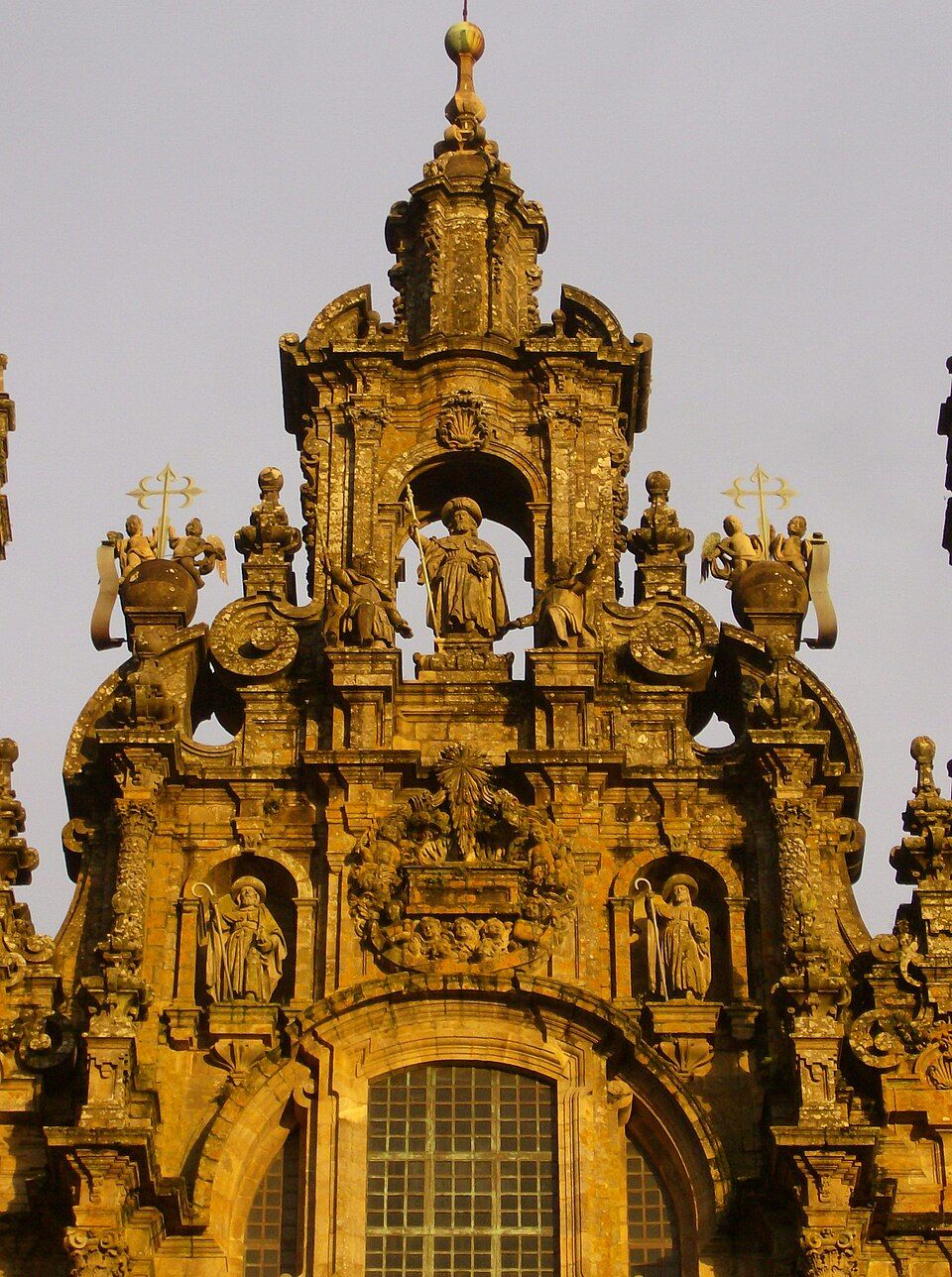
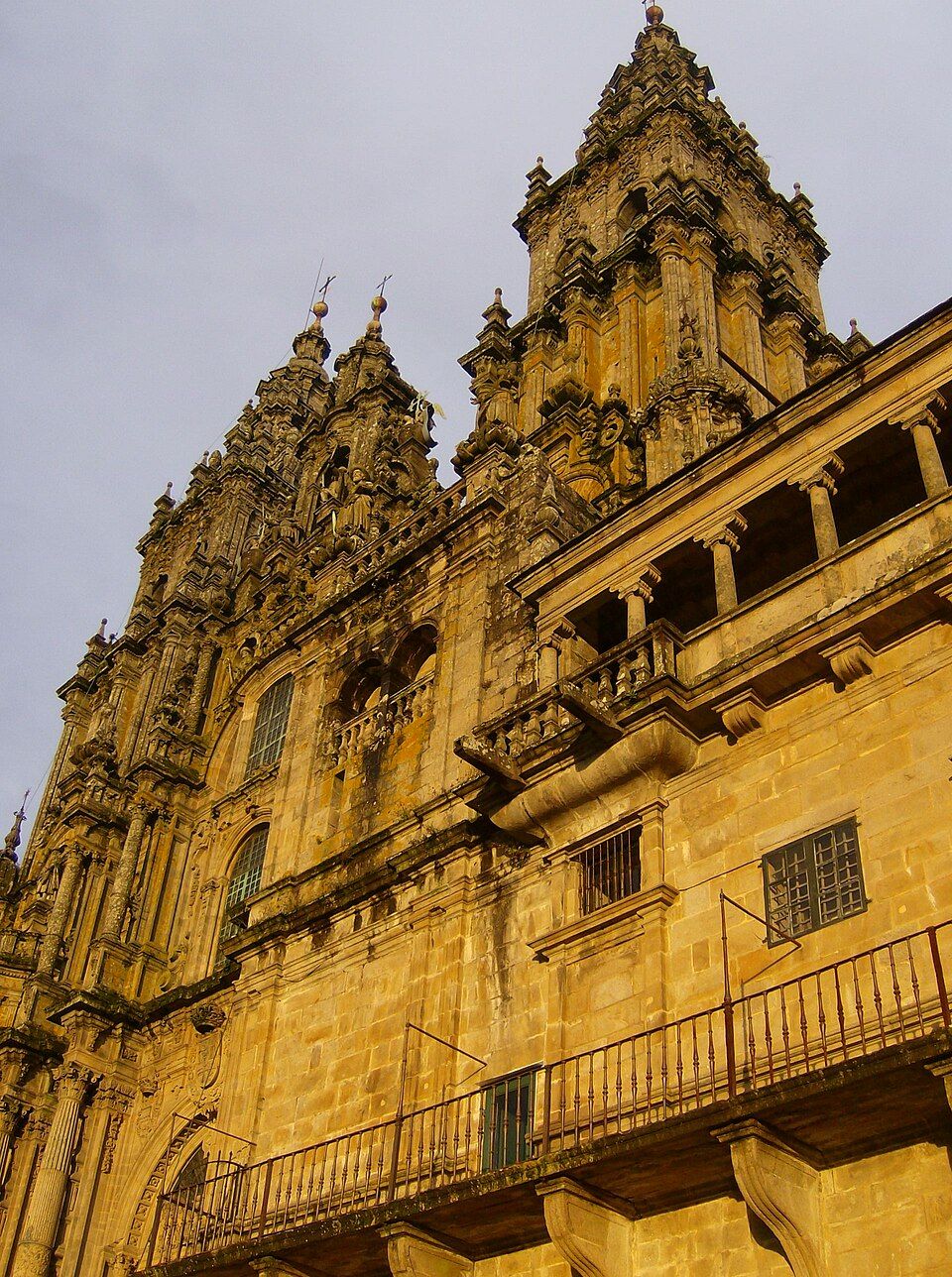
after days or weeks of walking — is the central experience of the Camino. Pilgrims drop their packs, weep, embrace strangers, sit in silence. The Baroque facade of the cathedral rises above them. The Pilgrim Mass begins at noon. Whatever brought each pilgrim to the road is answered, or at least accompanied, in this moment.

Intentions

Carry these intentions into the Basilica with you — pause at each sacred spot and lift them to God.

🙏

For those at a crossroads in life who have walked the Camino seeking direction

🙏

For all who carry stones to the Cruz de Ferro — for their burdens to be set down

🙏

For the hospitality of albergues, villages, and strangers who serve pilgrims along the Way

🙏

For pilgrims of all faiths and none who find something on this road

🙏

For those who began the Camino and could not finish — for whatever stopped them

🙏

For the dead we carry with us, whose names we speak on the Meseta

🙏

For those who have walked alone in grief and found, unexpectedly, that they were not alone

🙏

For all who arrive at Santiago and kneel before the Apostle's tomb

Reflection

Half a million people walked to a medieval cathedral in 2024. They were investment bankers and farmers and cancer patients and teenagers and retired teachers. They walked in rain and heat and fog. They got blisters. They argued with each other and fell in love with each other and sat in silence together on the Meseta. At the end, they knelt before the tomb of an Apostle. The question the Camino asks is not why you came. The question is: what will you do with who you've become?

Suggested Scripture — Isaiah 43:2

When you pass through the waters, I will be with you; and when you pass through the rivers, they will not sweep over you. When you walk through the fire, you will not be burned.

Read in full on Bible Gateway →

A Pilgrim's Prayer

Lord of the Way — you who are yourself the Way — I walk. I do not always know why. I know that the road demands honesty and the feet demand patience and the company of strangers teaches me things I cannot learn in any other way. Walk beside me. And at the end of every day, and at the end of this great road, let me arrive somewhere I did not expect. Amen.

More

The Camino de Santiago is the most famous pilgrimage network in the world: a system of ancient routes converging on the Cathedral of Santiago de Compostela in Galicia, Spain, where the Apostle James is believed to be buried. In 2024, a record 499,239 pilgrims received the Compostela certificate after walking or cycling at least 100 km (or riding 200 km) of the route.

The Routes

The Camino is not a single path but a family of routes — the Camino Francés (French Way) from St Jean Pied de Port is the most walked, but the Portuguese, Primitivo, Norte, del Sur, Via de la Plata, and English Way are all established alternatives. The routes have been walked by pilgrims since the 9th century. Charlemagne is associated with the tradition; St Francis of Assisi walked it; and millions of medieval pilgrims made the journey at a time when it was considered one of the three great penitential pilgrimages along with Rome and Jerusalem.

Symbols and Heritage

The yellow scallop shell and yellow arrow that mark the route are among the most recognised pilgrimage symbols in the world. UNESCO has named the Camino Francés and the Routes of Santiago de Compostela in France and Spain as World Heritage Sites.

The Modern Camino

The contemporary Camino attracts pilgrims for every reason: religious, spiritual, athletic, therapeutic and adventurous. Many describe the Camino as a transformative experience — the combination of physical challenge, simplicity of life, daily rhythm of walking, and encounter with other pilgrims from every country in the world produces an effect that is difficult to describe and easy to recognise. The Camino is, by numbers, the most successful large-scale spiritual discipline in the contemporary world.