Church of the Nativity
Church Β· Holy Land

Church of the Nativity

Manger Square, Bethlehem, Palestine

"The Church of the Nativity is a Basilica located at the spot where Jesus was born in Bethlehem. Click for history and more info."

Highlights

  • 1Ever since its identification as the site of Christ’s birth by St Justin Martyr in the 2nd century, the Church of the Nativity which stands on the spot has been one of the holiest spots in Christendom
  • 2The cave where the birth took place is located beneath the church which was first built by the Roman Emperor Constantine, shortly after the visit of his mother St Helena to Bethlehem
  • 3The basilica was completed between the years 330-333 AD and was dedicated on 31 May 339
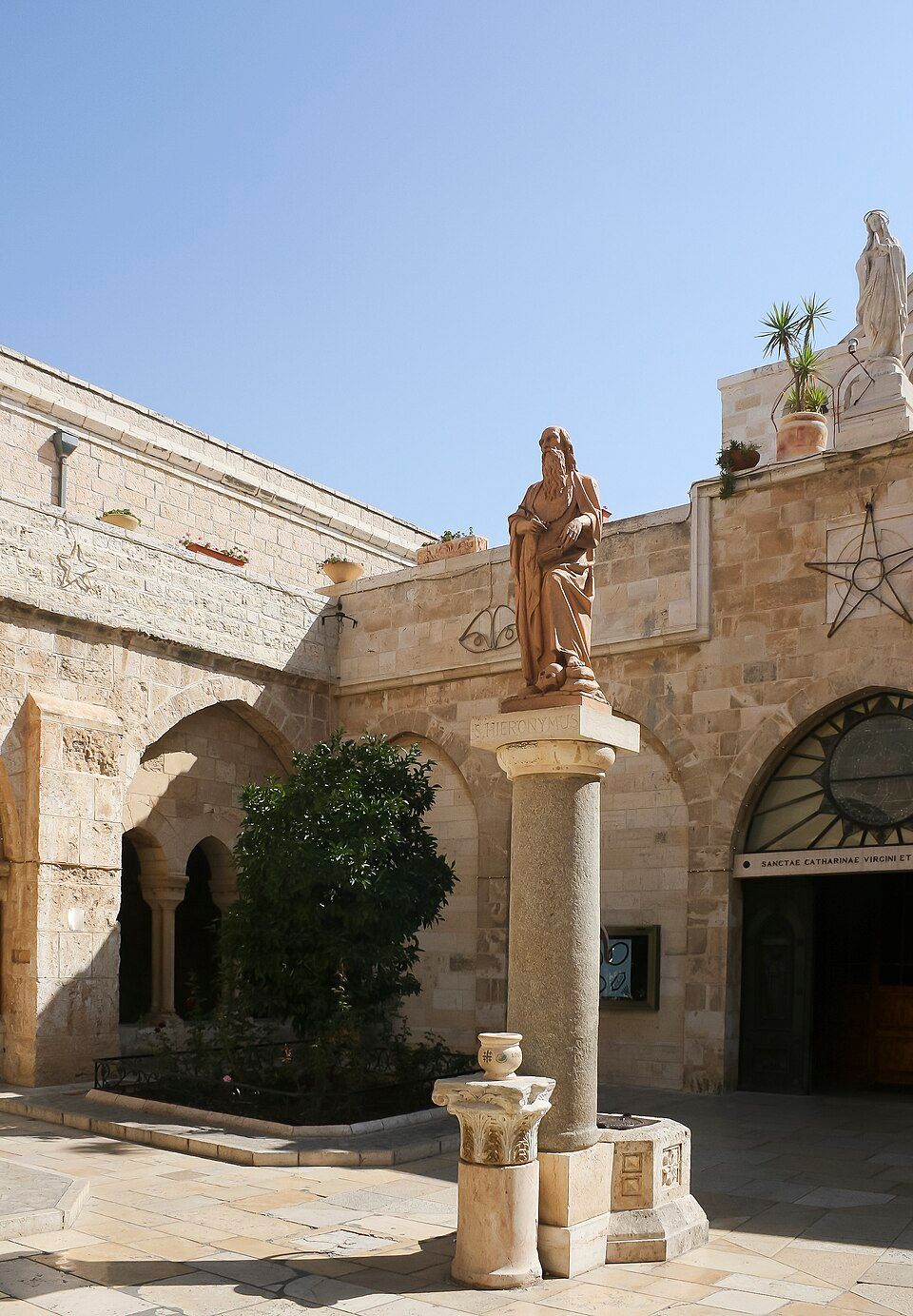
  • 4St Jerome the author of the Latin Vulgate, who translated the Old Testament from Hebrew and the New Testament from the Greek Septuagint original, wrote it here
  • 5The Byzantine Emperor Justinian who reigned between 527-565 had it rebuilt, retaining the original character of the building, while at the same time making significant additions to it

Getting There

πŸ“

Address

Manger Square, Bethlehem, Palestinian Authority

πŸ—Ί

Directions

Bethlehem is 10 km south of Jerusalem. From Jerusalem, take bus 231 from the Damascus Gate bus station or a shared taxi (sherut) to Bethlehem checkpoint. After passing the checkpoint, take a local taxi or walk 20 minutes to Manger Square. Day trips from Jerusalem are straightforward.

Open in Google Maps

Timings

Current time β€” Jerusalem Time (IST)

--:--:--

WhenHours
Basilica6:30 AM - 7:30 PM

Masses & Events

Greek Orthodox Divine Liturgy

Sunday mornings at the main altar

The principal

Orthodox liturgy Franciscan Midnight Mass

Christmas Eve, December 24

The most attended annual celebration; held in the church and in St Catherine's

Catholic church adjacent Christmas Day Mass

December 25 and January 6 (Orthodox Christmas)

Multiple services for different communities

Must See

1

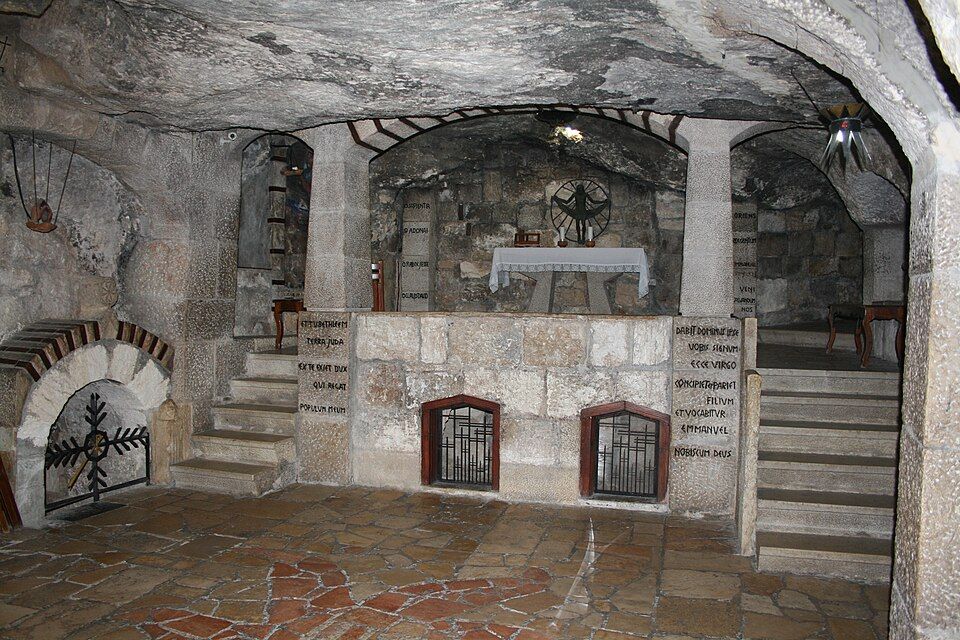
The Grotto of the Nativity

Beneath the main altar Pilgrims descend to the cave via a stone staircase to the right of the main altar. The cave is small, incense-filled, and covered in hanging lamps donated over centuries. The silver star, set into a marble slab, marks the point. Pilgrims kneel, pray, and often remain for an extended period. Those who have made long journeys to reach this point describe an indescribable mixture of emotion. The 14-Pointed Silver Star

Grotto floor Inscribed Hic de Virgine Maria Jesus Christus natus est β€” the inscription reduces the entire mystery of the Incarnation to two lines of Latin. Each of the 14 points represents one of the 14 Stations of the Cross. The star was stolen in 1847, triggering a European diplomatic crisis that contributed to the Crimean War; it was replaced in 1853.

2

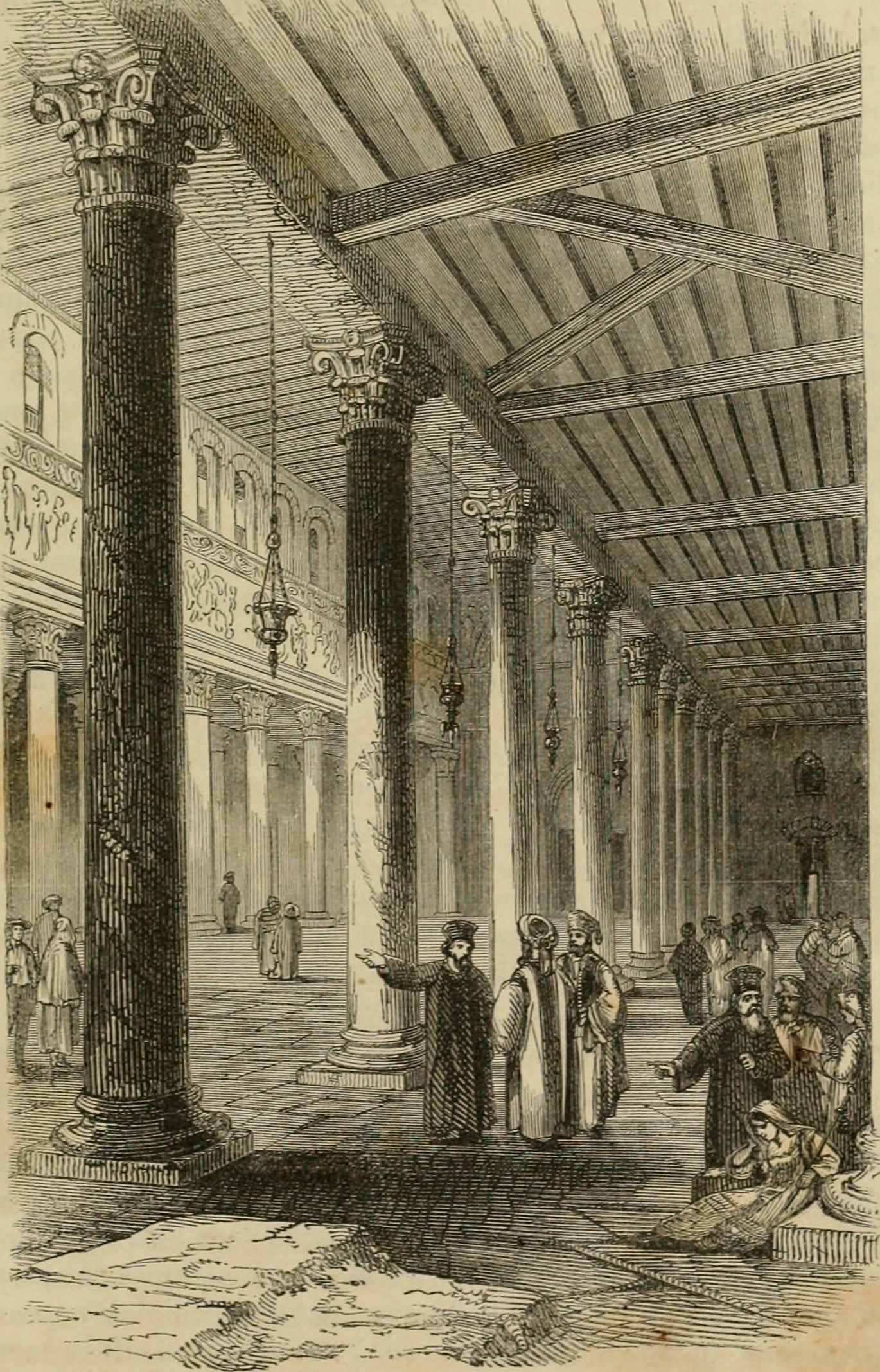
The Nave and Columns

Main body of the basilica The nave of Justinian's 6th-century basilica is supported by four rows of Corinthian columns from the original Constantine basilica. Fragments of 12th-century mosaics survive on the walls.

3

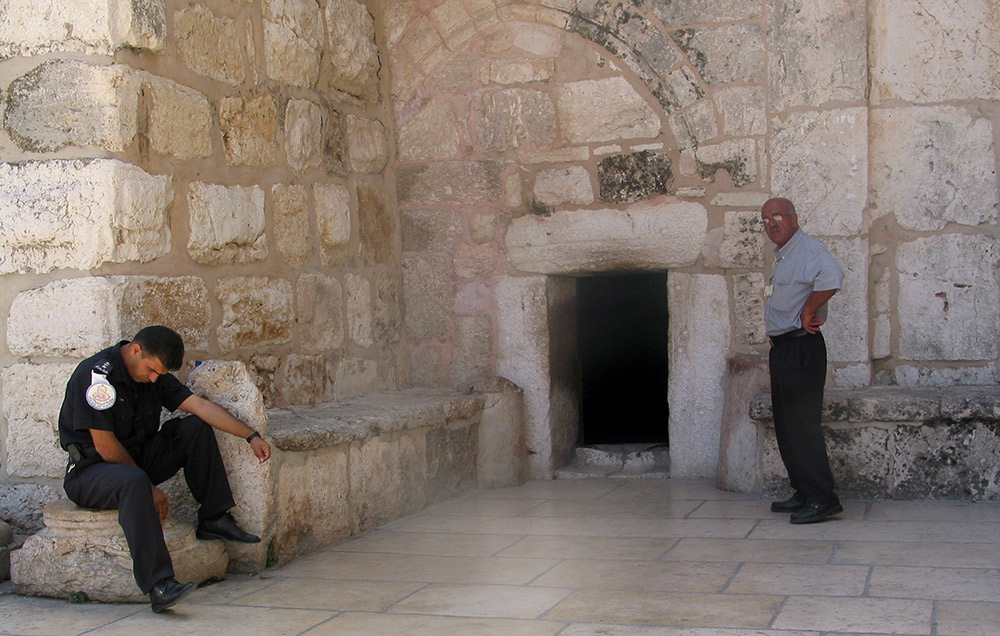
The low entrance door

the Door of Humility, built deliberately small to prevent horsemen entering

is the first thing every visitor must stoop through.

4

The Door of Humility

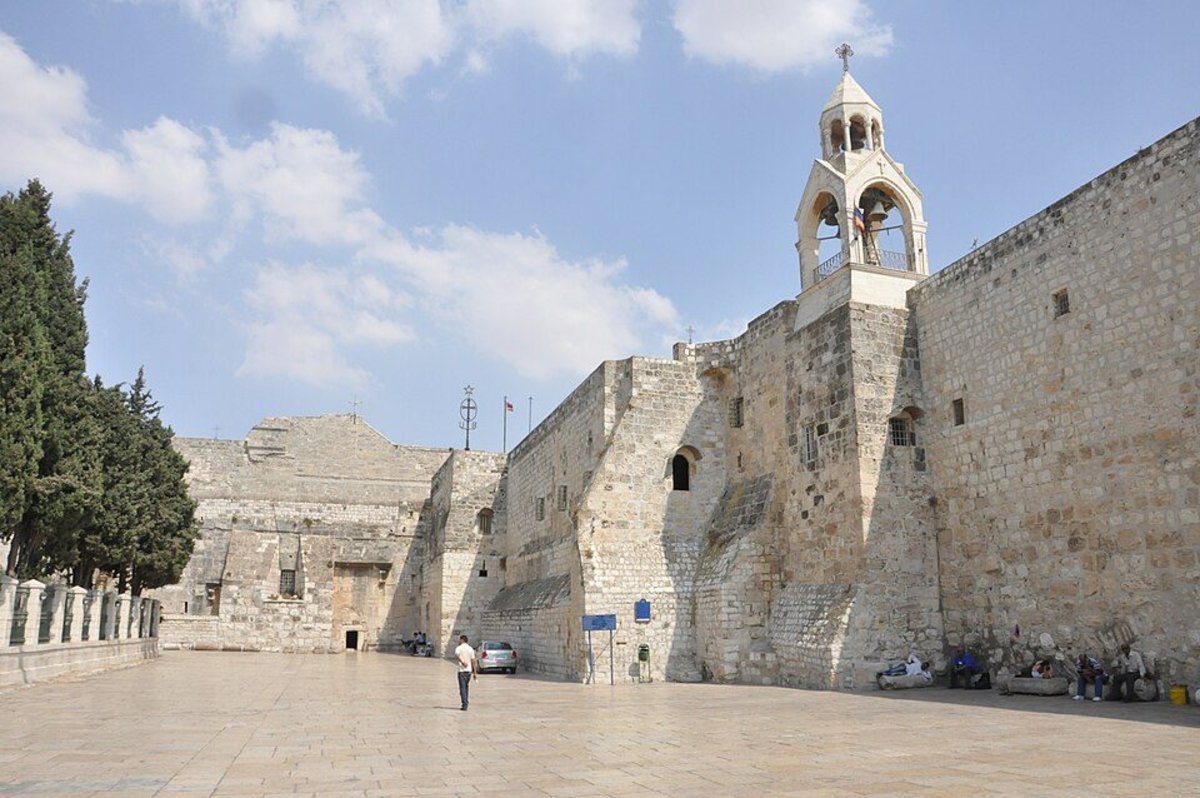
Main entrance [OUTDOOR] The main entrance was reduced to its current tiny size (1.2 metres high) in Ottoman times to prevent mounted soldiers from entering. Every visitor must bow to enter. The theological aptness has not been lost on centuries of pilgrims: to enter the birthplace of Christ, you must bow.

5

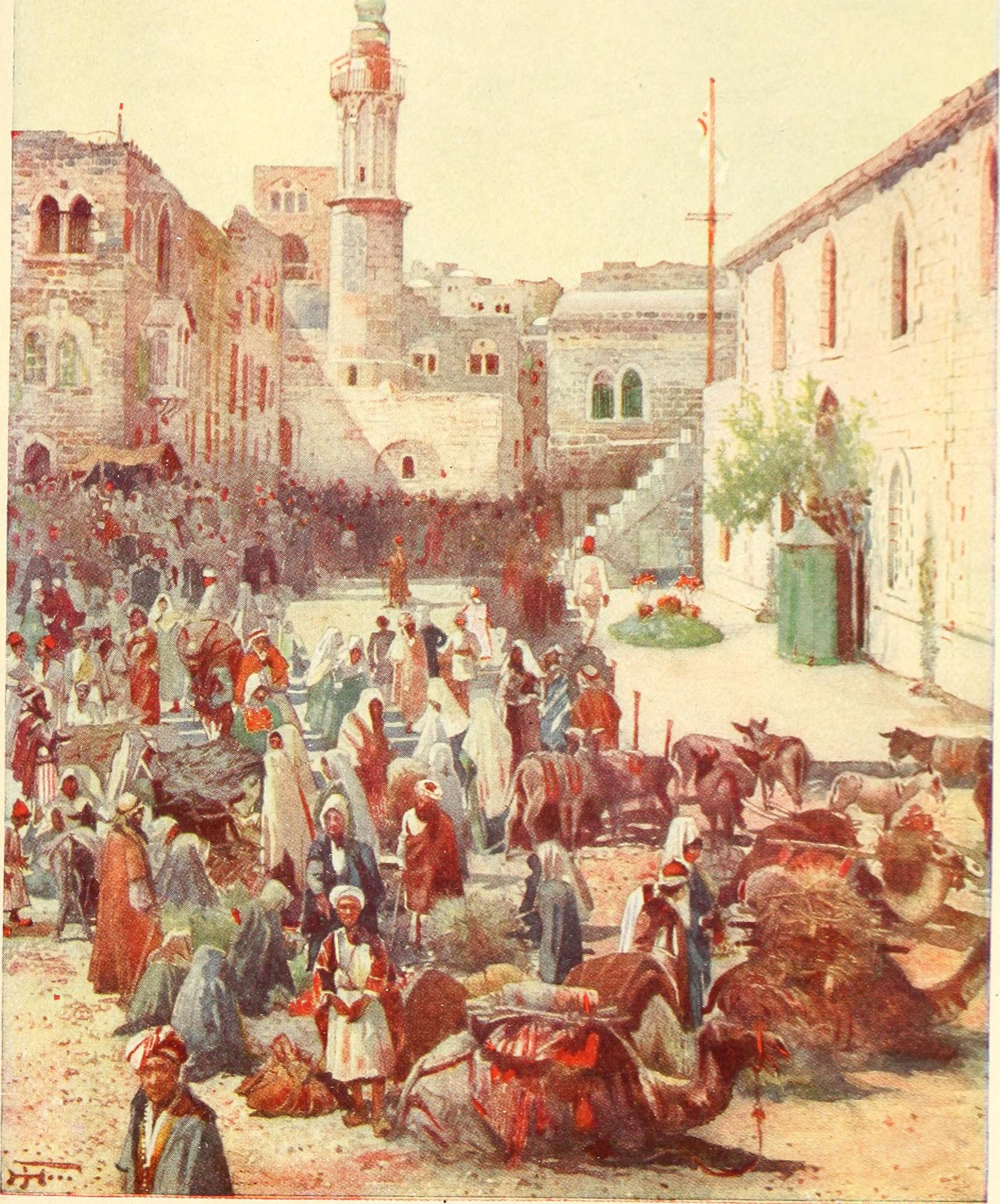
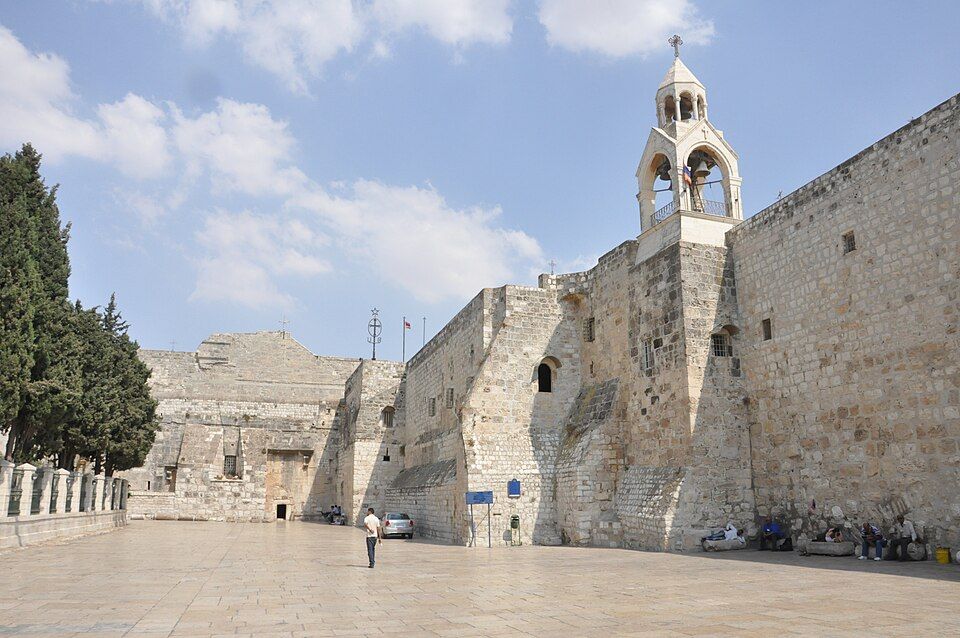
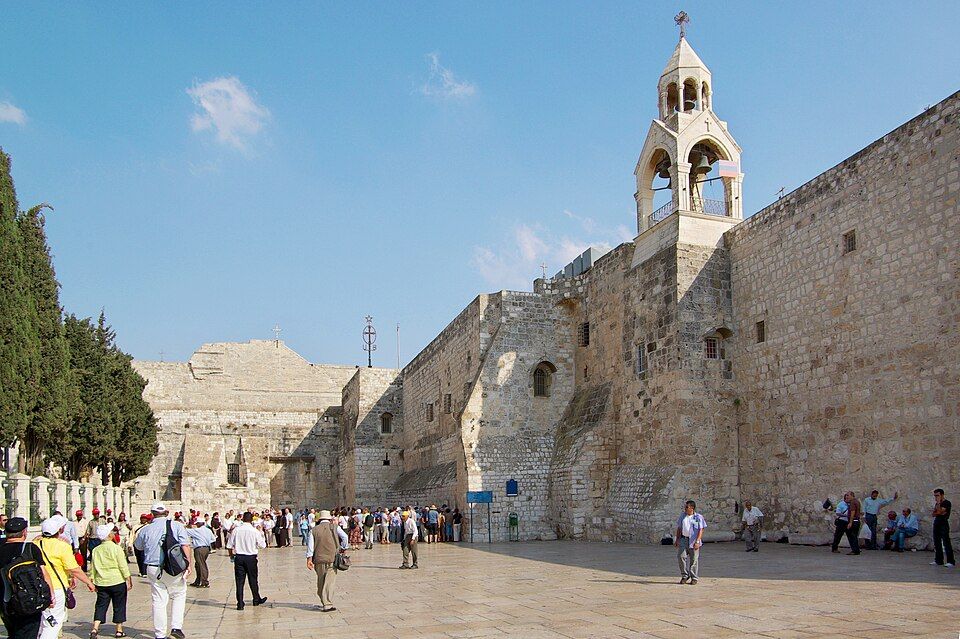
Manger Square

In front of the basilica [OUTDOOR] The square in front of the basilica, dominated by the Church of the Nativity on one side and St Catherine's Catholic church on the other, is the stage of Bethlehem's Christmas celebrations. On Christmas Eve it fills with thousands of pilgrims from around the world. The combination of the ancient church, the Palestinian city, and the crowds from every nation creates a scene of extraordinary emotional complexity.

Intentions

Carry these intentions into the Basilica with you β€” pause at each sacred spot and lift them to God.

πŸ™

For the peace of Bethlehem and of the Holy Land

πŸ™

For the Palestinian Christian communities, diminishing in number in their ancestral home

πŸ™

For the birth of hope in situations of suffering and occupation

πŸ™

For those who await the arrival of joy in lives of struggle

πŸ™

For the unity of the three Christian communities who share this basilica

πŸ™

For children everywhere β€” in honour of the Child born here

πŸ™

For those making the Christmas pilgrimage to Bethlehem for the first time

πŸ™

For the poor and the displaced, in whose territory the Saviour chose to be born

Reflection

God chose to be born in Bethlehem β€” not Jerusalem, not Rome, not Athens. He chose a town of no political importance, in an occupied country, in a cave borrowed from animals, to a couple who had to come from out of town. This is the theology of Christmas in one paragraph: God does not enter through the front door. God enters through the small door. Every visitor to the Nativity church must bow to get in. This is not accidental.

Suggested Scripture β€” Luke 2:7

She wrapped him in cloths and placed him in a manger, because there was no guest room available for them.

Read in full on Bible Gateway β†’

A Pilgrim's Prayer

Child of Bethlehem, born small and hidden in a borrowed cave, I come to this place where you began. I bow to enter the door. I kneel at the star. I am overwhelmed by the smallness of the beginning and the largeness of what came from it. Let me carry something of this smallness home β€” the willingness to begin where I am, with what I have. Amen.

More

Ever since its identification as the site of Christ’s birth by St Justin Martyr in the 2nd century, the Church of the Nativity, which stands on the spot, has been one of the holiest places in Christendom. Located at Manger Square in the heart of Bethlehem in the West Bank, the basilica has been continuously venerated by Christians since then. The cave where the birth took place is located beneath the church.

History

The church was first built by the Roman Emperor Constantine, shortly after the visit of his mother St Helena to Bethlehem. The basilica was completed between the years 330–333 AD and was dedicated on 31 May 339. It is one of the most venerated sites in the Holy Land. St Jerome, the author of the Latin Vulgate, who translated the Old Testament from Hebrew and the New Testament from the Greek Septuagint original, wrote it here. He had set up his monastery in a cave that today lies inside the Church of the Nativity.

Following the arson of the Samaritan rebellion around 529 AD, the basilica was completely destroyed. The Byzantine Emperor Justinian, who reigned between 527 and 565, had it rebuilt, retaining the original character of the building while at the same time making significant additions to it. This church has miraculously survived to the present day, remaining largely unchanged.

A Church Spared

In 614 AD, the Persians attacked the Byzantine Empire and destroyed many of their churches and monasteries in the Holy Land. The Church of the Nativity was spared, as the Persians mistook the figures of the three kings from the East, decked in oriental attire, for fellow countrymen.

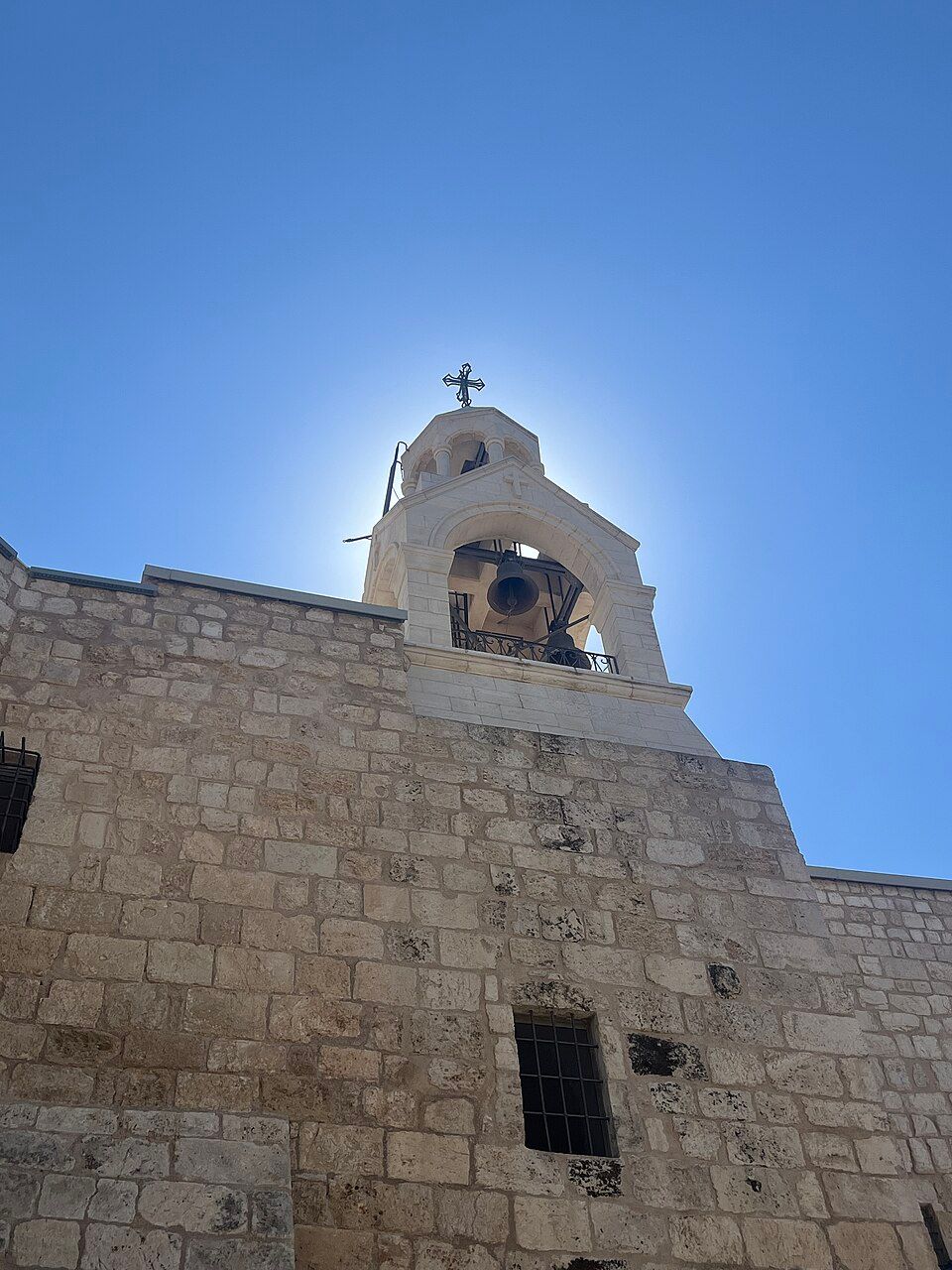
When the Crusaders seized the Holy Land, they first captured Bethlehem before taking Jerusalem. In 1100 AD, Baldwin I was crowned in this church as the ruler of the First Crusader Kingdom of Jerusalem. In later years, the Byzantine Emperor Manuel had the Church of the Nativity restored. During the time the Crusaders were in control, there were many additions, such as the bell towers, which however no longer exist.

Shared Custody

The area of the complex has been substantially expanded and houses monasteries of the Greek Orthodox, Armenian Apostolic and Roman Catholic Churches. The Roman Catholic jurisdiction is entrusted to the Franciscan Custody of the Holy Land. There has been constant squabbling between the different denominations over control of the site. An understanding between them has been in place for the last 250 years and is referred to as the Status Quo. The term Status Quo was first used in the Treaty of Berlin 1878, which is one of the formal agreements in place.

Key Facts

Type
Church
Region
Holy Land
Location
Manger Square, Bethlehem, Palestine

Open in Google Maps

Manger Square, Bethlehem, Palestinian Authority

πŸ™

Pilgrim's Note

We encourage all visitors to enter in a spirit of prayer and respect for the faith traditions of each place.