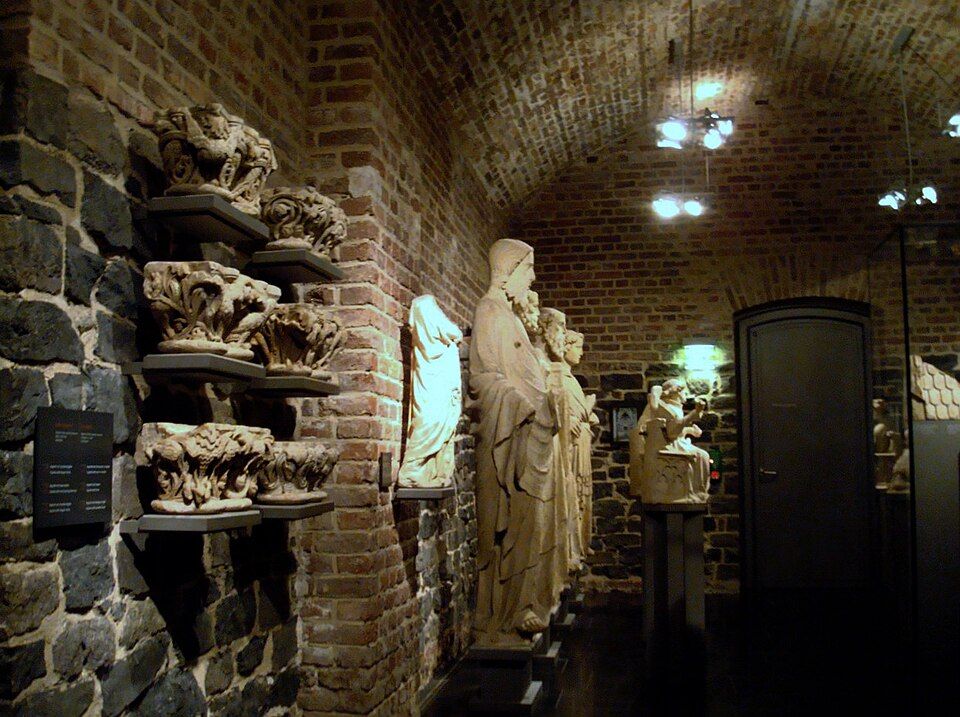
Cologne Cathedral
Cathedral · Other

Cologne Cathedral

Cologne, Germany

"Cologne Cathedral is Germany's most-visited landmark and one of the greatest achievements of Gothic archite..."

Highlights

  • 1Construction spanned 632 years — begun in 1248, completed in 1880 — one of history's longest building projects Houses the Shrine of the Three Kings — the world's largest medieval reliquary, brought from Milan in 1164
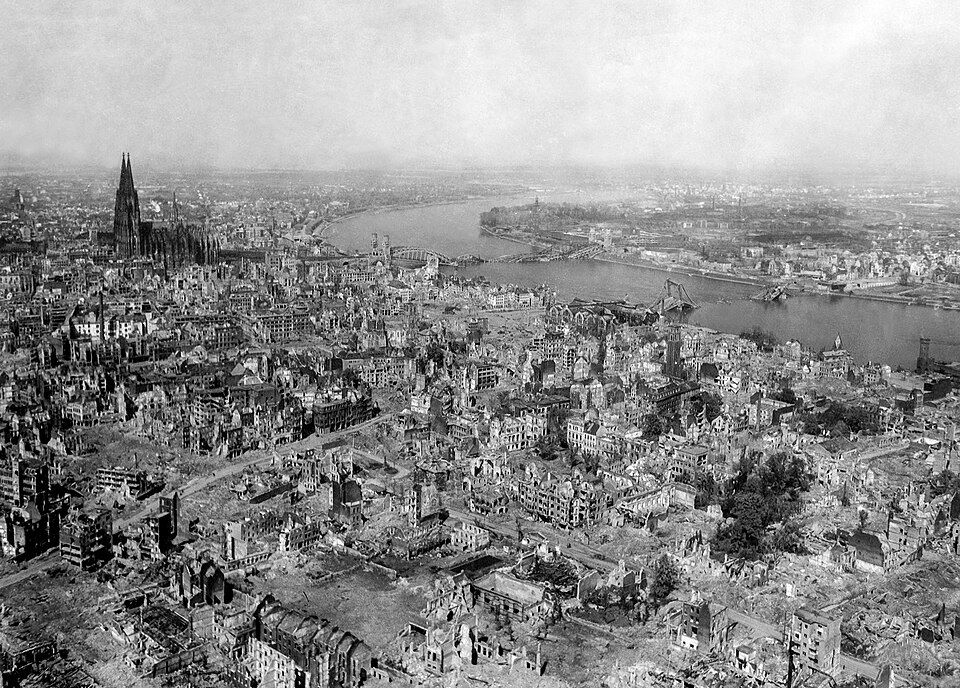
  • 2Germany's most-visited landmark, receiving 6.6 million visitors per year UNESCO World Heritage Site since 1996 Survived 262 Allied bombing raids on Cologne in World War II while the city around it was devastated

Getting There

📍

Address

Domkloster 4, 50667 Cologne, Germany

🗺

Directions

Cologne Cathedral is directly outside the main Cologne Hauptbahnhof (Central Station) — one of the great train stations in Europe. High-speed ICE trains from Frankfurt (1h), Amsterdam (2h45), Brussels (2h), and Paris (3h30). Exit the station and the cathedral is in front of you.

Open in Google Maps

Timings

Current time — Berlin Time (CET)

--:--:--

WhenHours
Cathedral6:00 AM - 9:00 PM
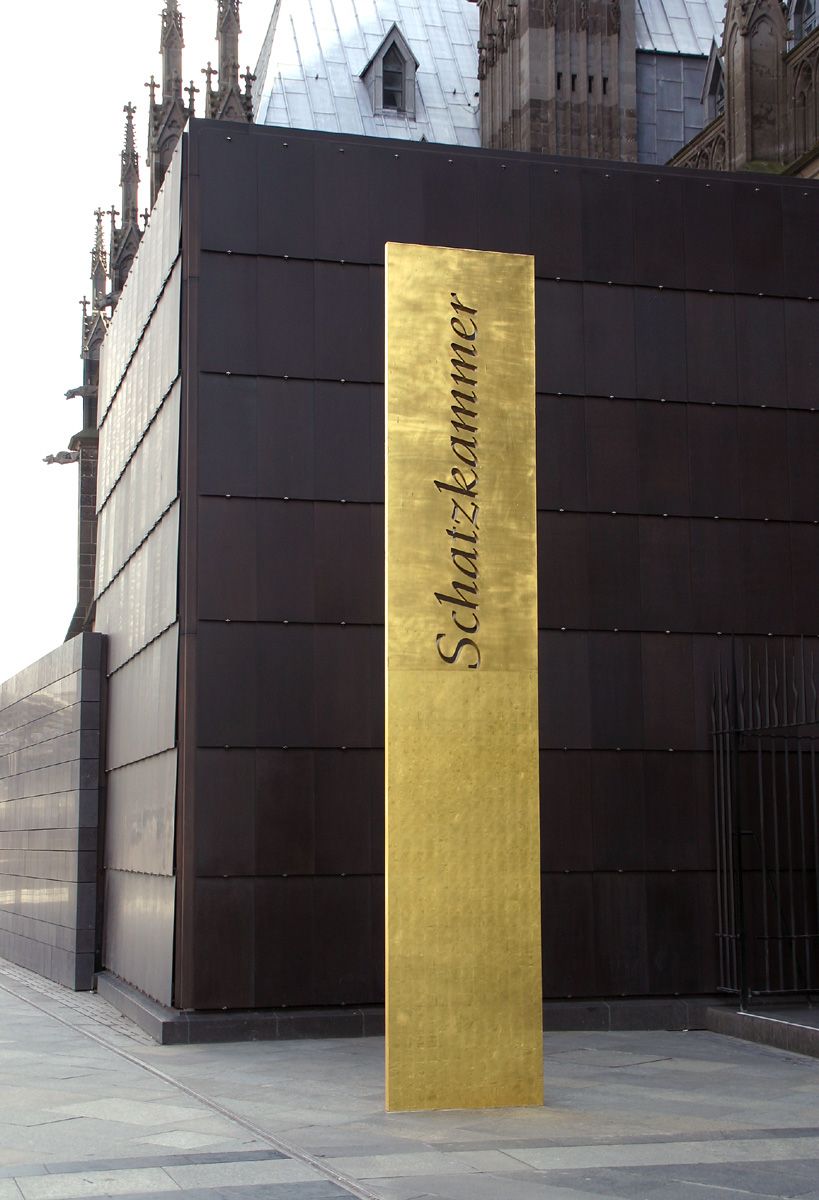
Treasury10:00 AM - 6:00 PM
Tower Climb9:00 AM - 6:00 PM

Masses & Events

Daily Mass

6:30, 7:00 AM; 8:00 (Mon-Sat); 9, 10, 12 PM; 5, 6:30 PM

Active cathedral schedule

Sunday Pontifical Mass

10:00 AM Sundays

With the cathedral choir — the dominant weekly celebration

Feast of the Three Kings

January 6

Epiphany — the cathedral's patron feast and one of Germany's major pilgrimage gatherings

Must See

1

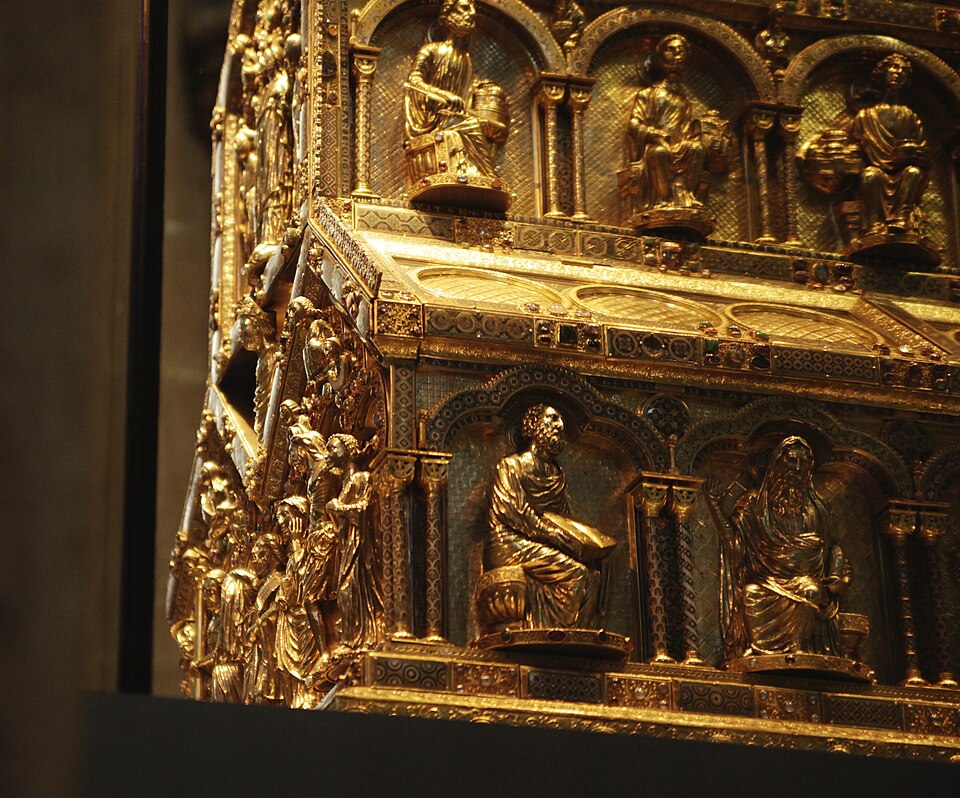
The Shrine of the Three Kings

High choir, behind the high altar The gilded Gothic reliquary, 2.2 metres long, is the largest surviving medieval reliquary in the world. Created between 1190 and 1225 by Nikolaus von Verdun, it depicts the life of the Magi, the Last Judgement, and apostolic scenes in gold, silver, enamel, and precious stones. The relics within are the reason the cathedral was built.

2

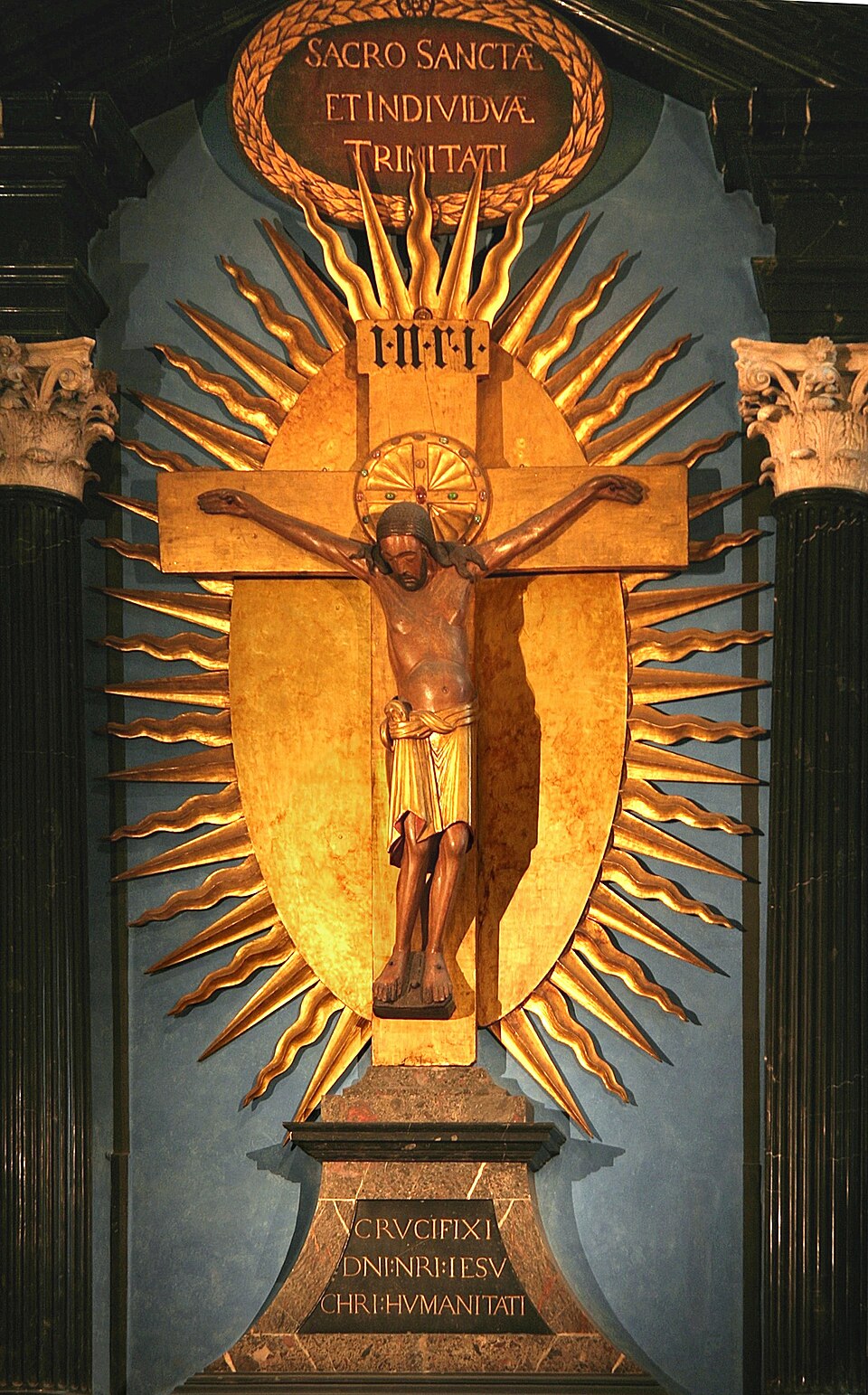
The Gero Cross

Chapel of the Cross, north side of the choir Dating from around 970 AD, the Gero Cross is the oldest large surviving figural sculpture in northern Europe.

3

The carved figure of the crucified Christ

1.87 metres, with eyes closed in death

is of stunning emotional power and proto-Gothic realism. It predates the cathedral by nearly three centuries.

4

The Choir Stalls and Gothic Choir

Behind the high altar The 14th-century choir stalls

104 seats, the largest surviving medieval choir in Germany — are carved with extraordinary detail. The Gothic choir itself, completed in 1322, is the most perfect realisation of French Gothic interior design in Germany.

5

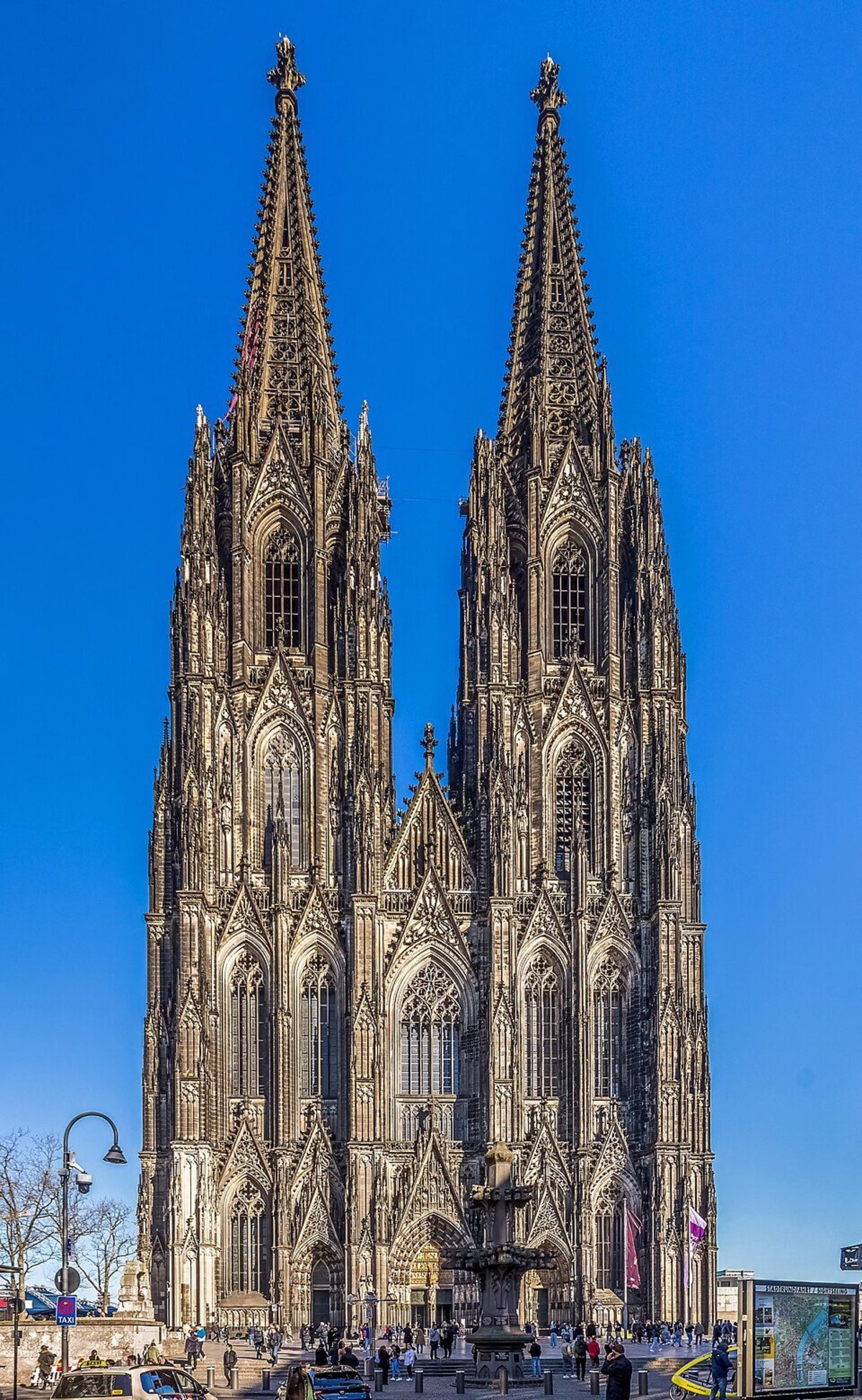
The Twin Towers

Exterior and tower interior [OUTDOOR] The south tower (533 steps) gives access to the gallery between the towers, 95 metres above the city. The view of the Rhine, the city, and the vast flat Rhine plain stretching to the horizon makes clear why this site was chosen for the greatest building project in German history.

6

The Cathedral Treasury

South side of the nave Contains gold and silver sacred objects spanning fifteen centuries: the 10th-century Milan Crosse, the Staff of St Peter, Carolingian reliquaries, and vestments from every era. One of the finest cathedral treasuries in Europe.

Intentions

Carry these intentions into the Basilica with you — pause at each sacred spot and lift them to God.

🙏

For Germany and for all peoples building great things over generations

🙏

For the dead of the Second World War — all of them, of every nation

🙏

For the wisdom to build what will outlast us

🙏

For the unity of Christian Europe

🙏

For the Epiphany spirit — the wise who travel far to honour the Christ child

🙏

For those engaged in long projects who will not see their completion

🙏

For pilgrims of every generation who have come to venerate the Three Kings

🙏

For the Church's ability to preserve, restore, and transmit the faith

Reflection

Six hundred and thirty-two years to build one building. Twenty generations of cathedral builders passed the project to their children and grandchildren without ever seeing the twin spires completed. This is either hubris or faith, and the difference is not obvious from the outside. What is clear is that they built it anyway — and that we still walk into it and fall silent. Some things are worth building for generations you will never meet.

Suggested Scripture — Hebrews 11:10

He was looking forward to the city with foundations, whose architect and builder is God.

Read in full on Bible Gateway →

A Pilgrim's Prayer

Lord of the Three Kings — of the seekers who followed a star without a GPS and arrived at a stable with gifts — let me follow my own inadequate star. Let me bring what I have, however poor it seems. Let me kneel where the wise men knelt and understand that the journey is the thing, and the arriving is grace. Amen.

More

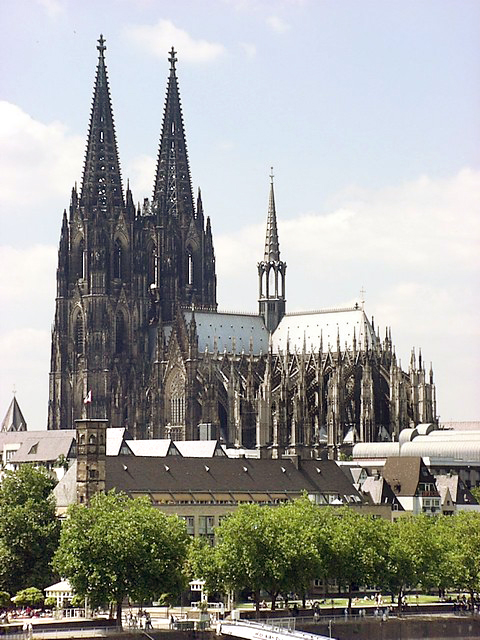
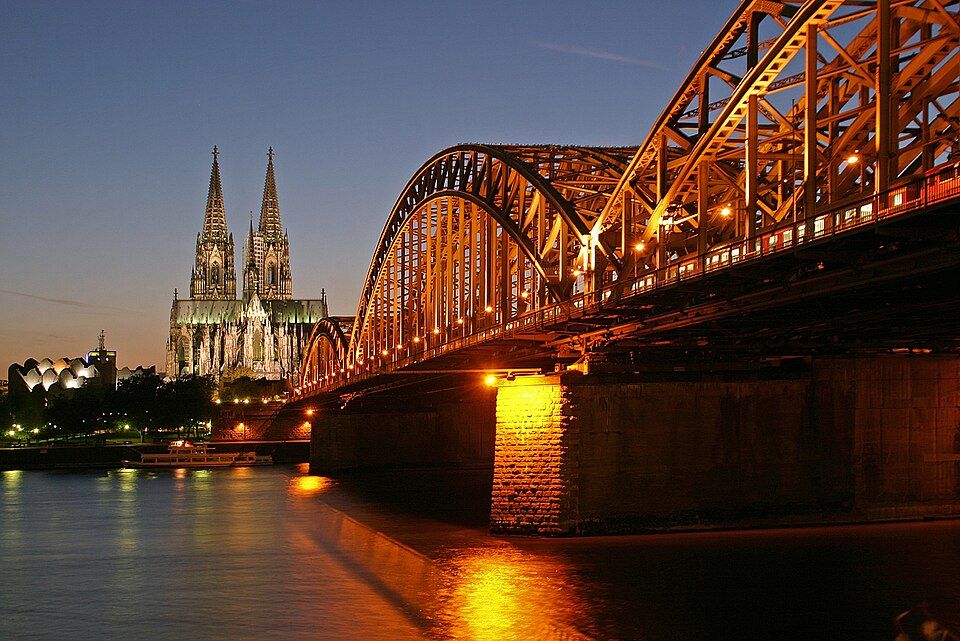
Cologne Cathedral is Germany’s most-visited landmark and one of the greatest achievements of Gothic architecture in the world. Construction began in 1248 and was not completed until 1880 — a gap of 632 years — making it one of the longest building projects in history. When the twin spires were finally completed, at 157 metres, it was briefly the world’s tallest building. UNESCO inscribed it as a World Heritage Site in 1996.

The Shrine of the Three Kings

The cathedral’s most sacred treasure is the Shrine of the Three Kings — a gilded reliquary containing the relics believed to be those of the Biblical Magi: Caspar, Melchior and Balthasar. The relics were brought from Milan by Emperor Frederick Barbarossa in 1164, and the Cologne Cathedral was built, over six centuries, to house them. The shrine is the most important reliquary in the Western church and made Cologne one of the great pilgrimage destinations of medieval Europe.

Survival in War

In the Second World War, Cologne was bombed 262 times and the city was devastated. The cathedral sustained 14 direct hits but, unlike the city around it, was never structurally destroyed — it stood as a single remaining landmark in a field of rubble, visible from Allied bombers as a navigation point. Locals say it was spared by Providence; others note that the Allies preserved it deliberately as a navigation aid. Either way, it survived — and continues to receive 6.6 million visitors per year.