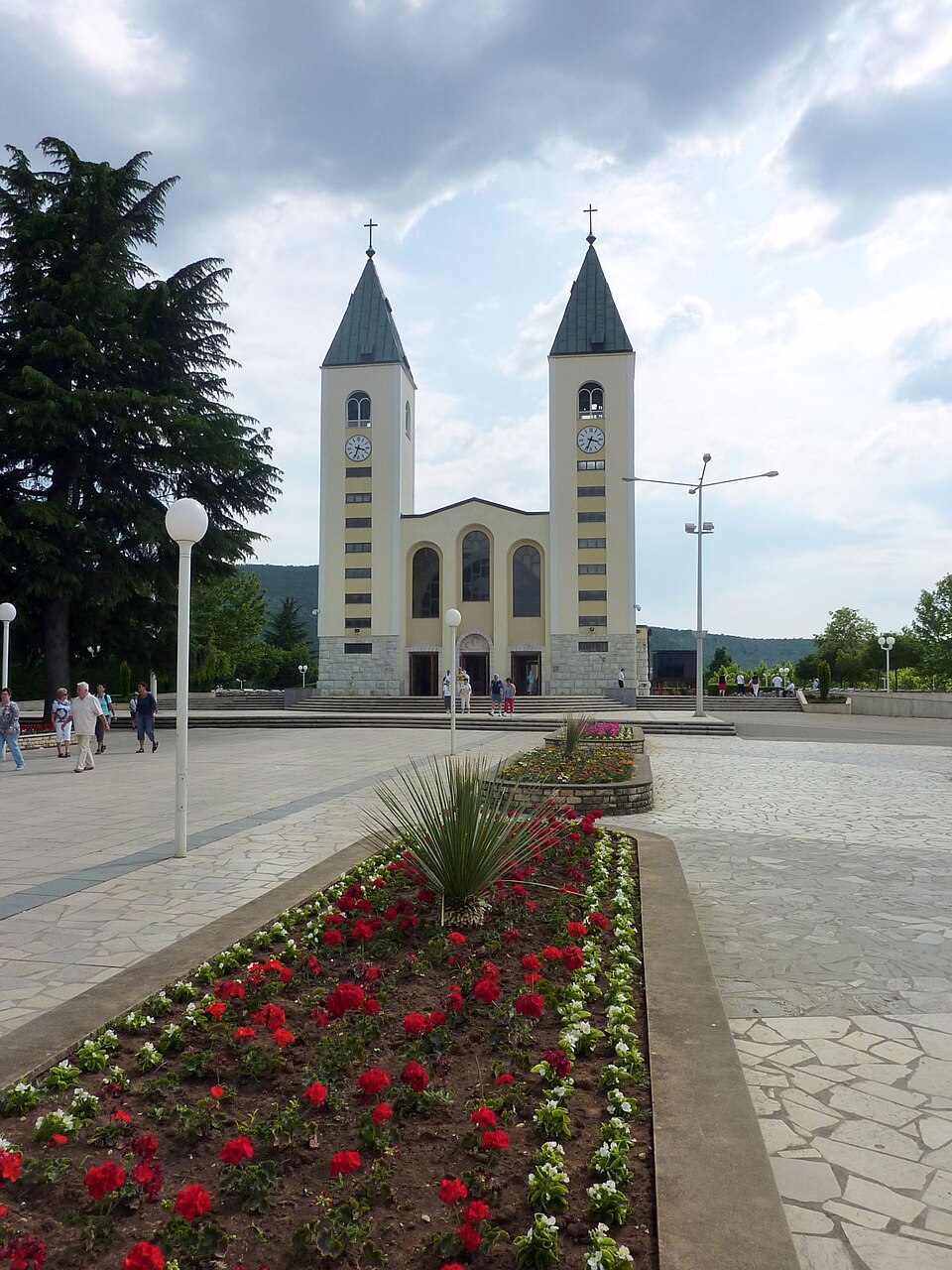
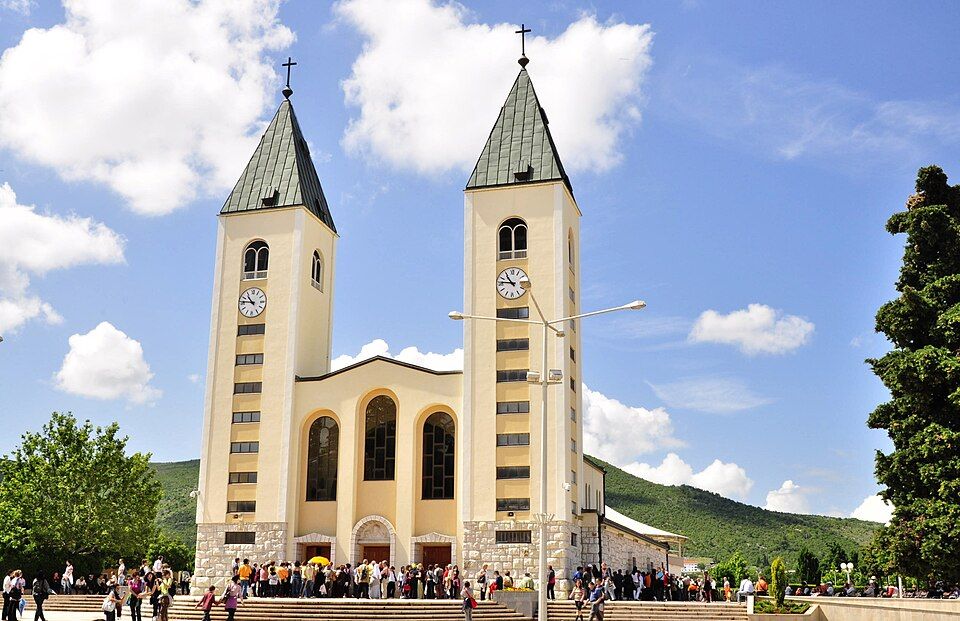
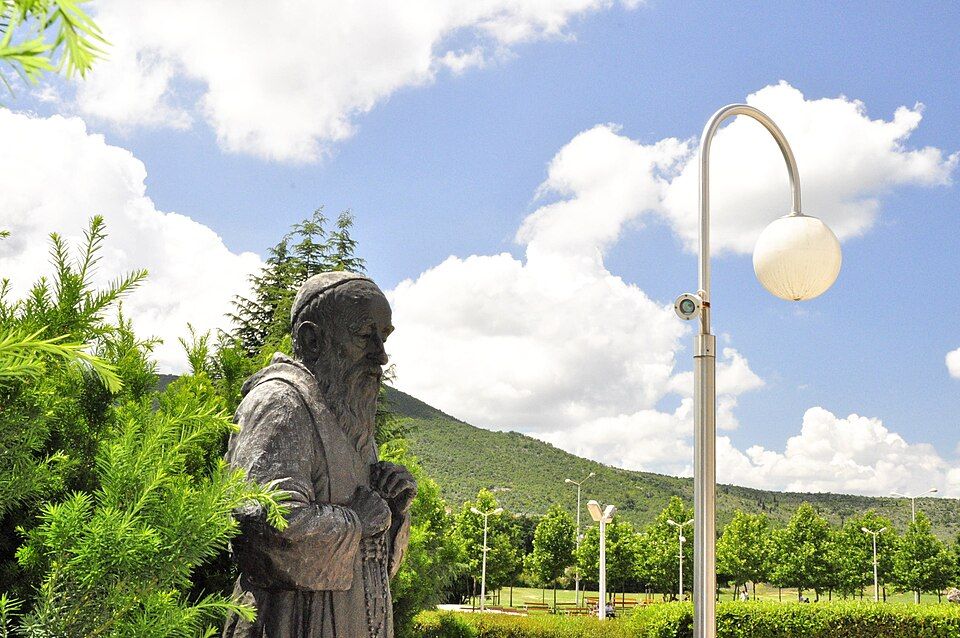
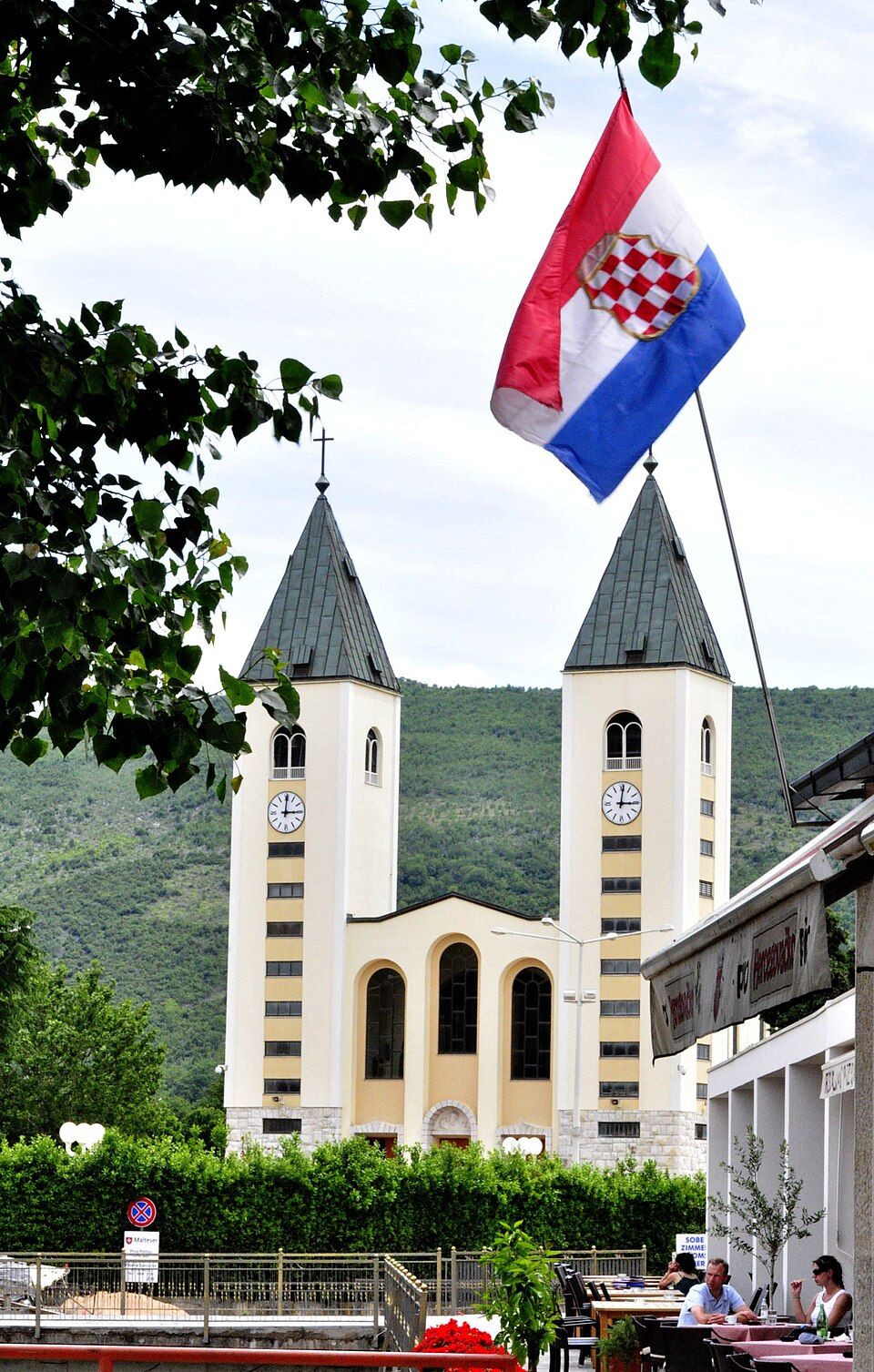
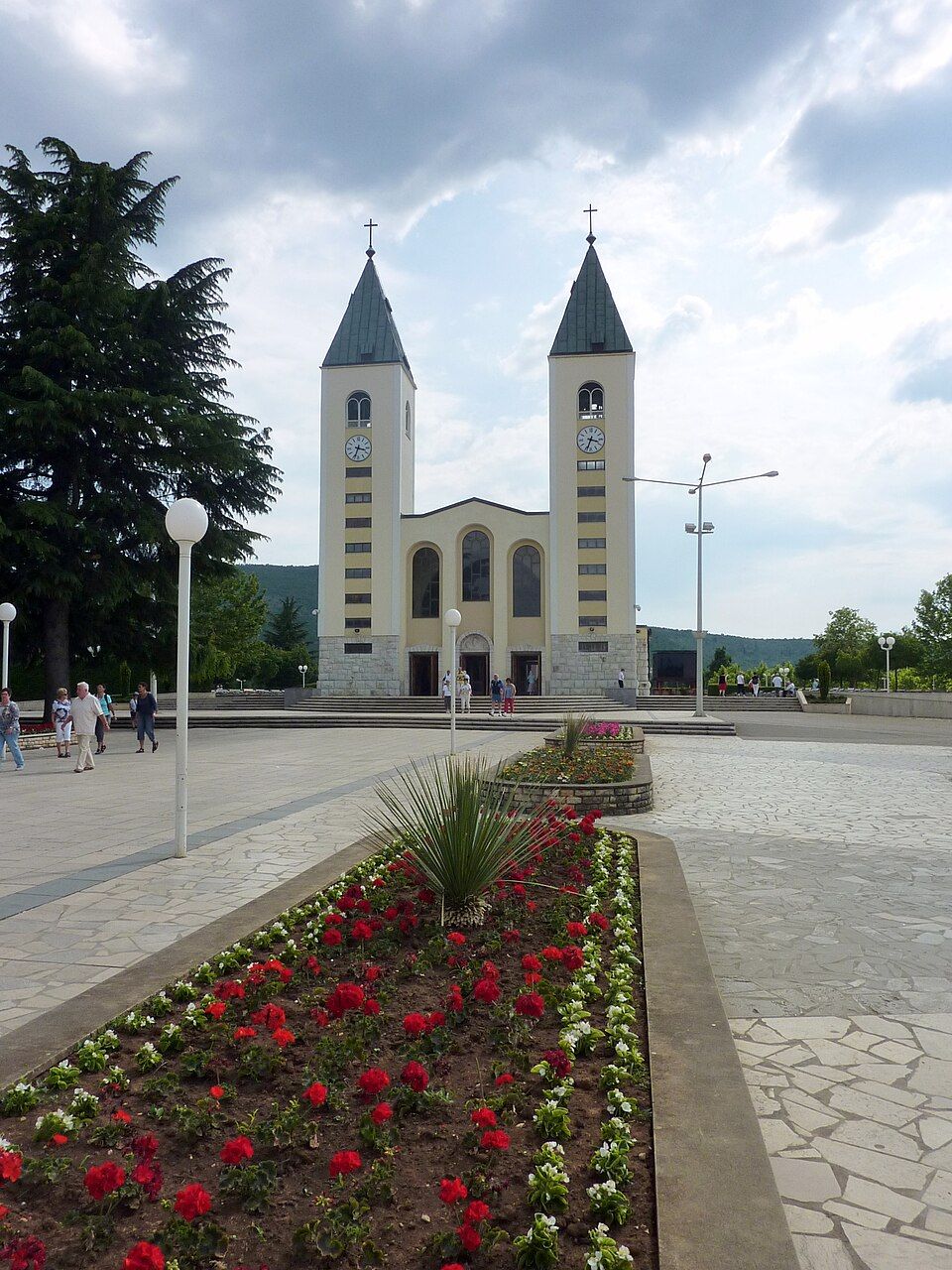
Medjugorje is the most contested pilgrimage site in modern Catholicism — and one of the most popular. Since June 24, 1981, six young people from the village (Ivanka, Mirjana, Vicka, Ivan, Marija and Jakov) claim to have received daily apparitions of the Virgin Mary.
The Church's Position
The Catholic Church has not yet given official approval to the apparitions, though in 2024 the Dicastery for the Doctrine of the Faith issued a positive declaration on the spiritual fruits of Medjugorje while leaving the question of the supernatural origin of the apparitions open. Despite ongoing theological caution, Medjugorje has become one of the most visited pilgrimage sites in Europe, drawing between one and two million pilgrims annually from over 60 countries.
The Spiritual Experience
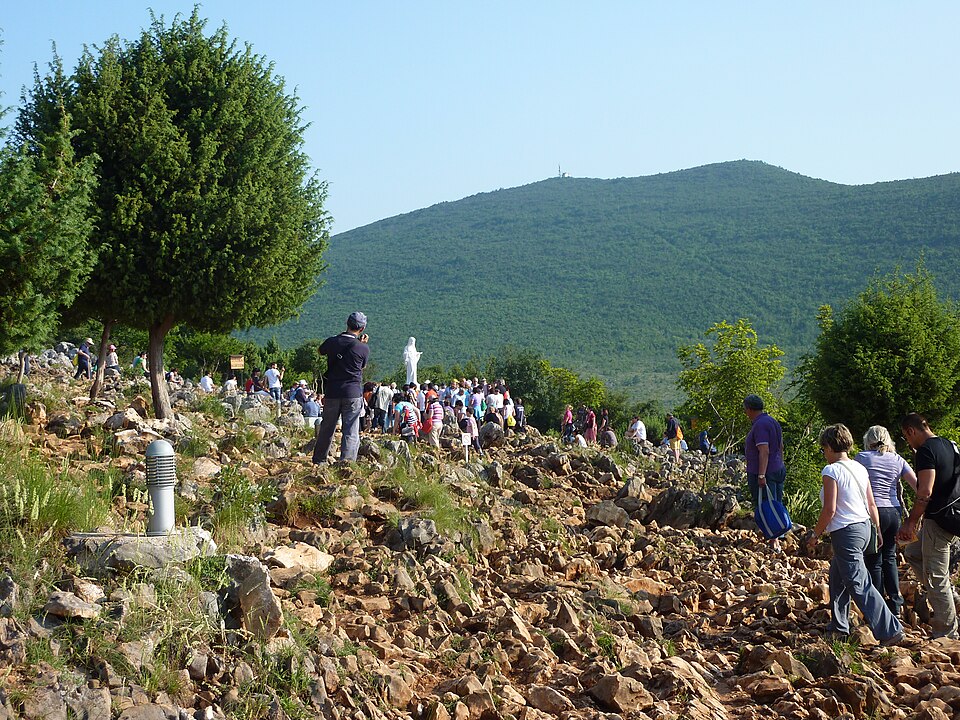
The quality of conversion testimony is extraordinary: hundreds of thousands of people report life-changing encounters with faith at Medjugorje — in the confessionals that operate throughout the day, in the outdoor Masses on summer evenings, in the climb up Apparition Hill at dusk. The pilgrimage is centred on two hills: Apparition Hill (Podbrdo), where the first apparitions occurred, and Cross Mountain (Križevac), where a concrete cross was erected in 1933 — seven decades before the apparitions began.
Each evening, pilgrims climb both hills barefoot, in penance, on rocky paths that cut into the feet. Fourteen Stations of the Cross line the path up Križevac. The evenings at Medjugorje, with outdoor rosary, confession and Mass under the Herzegovinian sky, are the spiritual experience that draws people back year after year.