Meteora Monasteries
Site · Other

Meteora Monasteries

Meteora, Greece

"The Meteora in Thessaly, central Greece, is one of the most visually extraordinary sacred landscapes on Ear..."

Highlights

  • 1One of the most extraordinary sacred landscapes on Earth — monasteries on vertical rock pillars 600m high UNESCO World Heritage Site (1988) for both natural and cultural universal significance
  • 2The first hermits came in the 9th century — over 1,100 years of continuous prayer on these rocks At peak (16th century) 24 monasteries; today 6 survive as active monastic communities The frescoes and icons of Meteora are among the finest surviving collections of Byzantine religious art

Getting There

📍

Address

Meteora, Kalabaka, Trikala, Thessaly, Greece

🗺

Directions

Kalabaka at the base of the rocks is 350 km from Athens, 230 km from Thessaloniki. Direct trains from Athens Larissa station (4h) and from Thessaloniki (3h). The monasteries are 3-5 km from Kalabaka town by road; the approach road winds to each. Walking the path between all six takes a full day.

Open in Google Maps

Timings

Current time — Athens Time (EET)

--:--:--

WhenHours
Great Meteoron (Transfiguration)9:00 AM - 5:00 PM
Wed-Mon; closed Tue Varlaam Monastery9:00 AM - 4:00 PM
Thu-Mon; closed Tue-Wed St Stephen's Monastery9:00 AM - 2:00 PM
Fri-Wed; closed Thu St Nicholas Anapafsas9:00 AM - 3:30 PM

Mon-Fri; closed weekends Hours vary by season; check individual monastery websites. All six monasteries are active communities — modest dress (no shorts, bare shoulders) is required. Women must wear skirts provided at the entrance. Entry ticket required at each monastery.

Masses & Events

Divine Liturgy

Sunday mornings in each monastery

Orthodox liturgy open to respectful visitors

Feast of the Transfiguration

August 6

Principal feast of the

Great Meteoron Easter Vigil

Orthodox Holy Saturday night

The most sacred night of the Orthodox calendar

Must See

1

The Great Meteoron (Transfiguration Monastery)

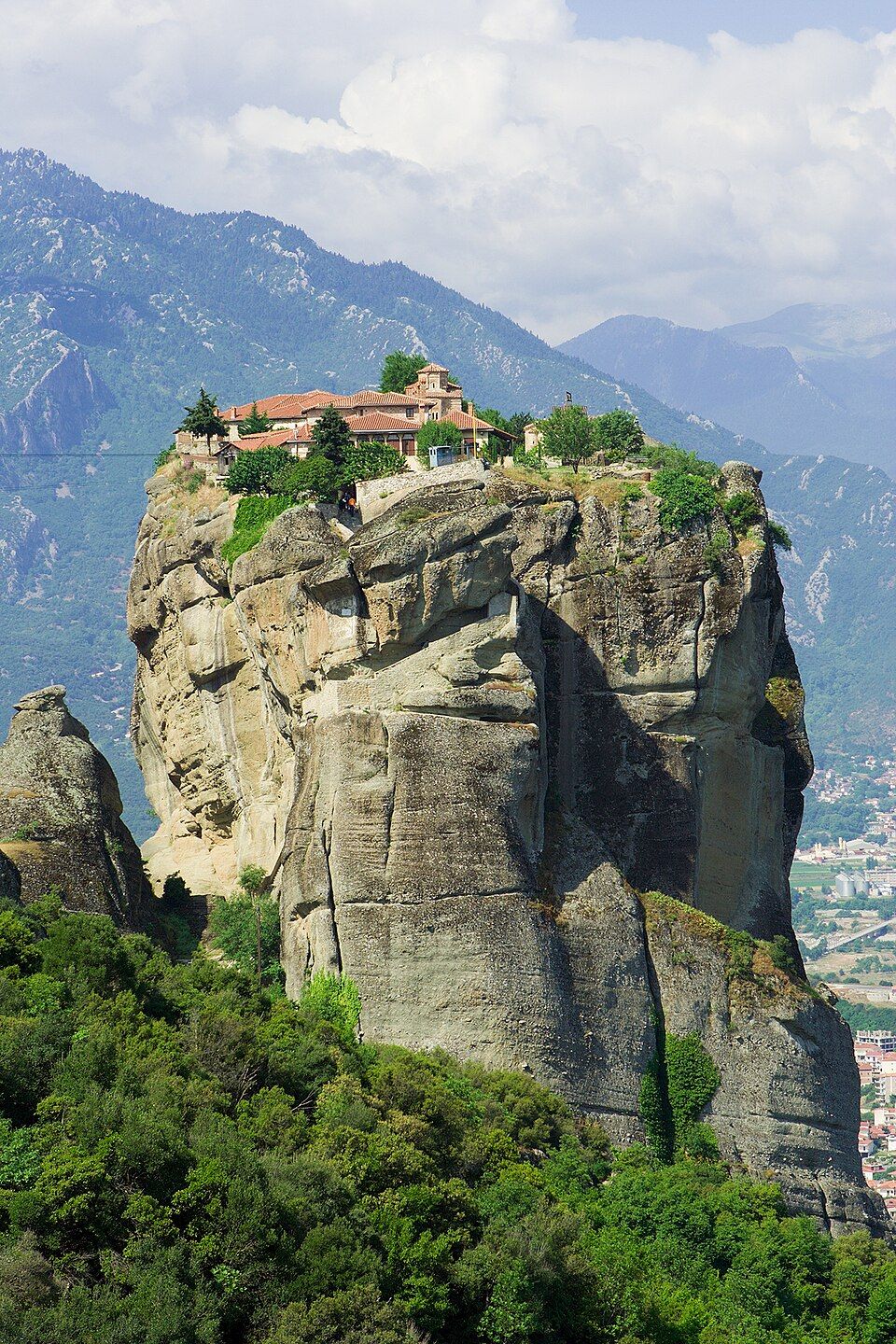
Highest monastery [OUTDOOR] The Great Meteoron, founded by St Athanasios in the 14th century and built on the highest rock, is the oldest and largest of the six monasteries. Its katholikon (main church) contains frescoes from the 14th-16th centuries and the bone chapel where the skulls of monks are arranged as memento mori. The ascent by wide stone steps cut into the rock communicates the seriousness of the monks who built here.

2

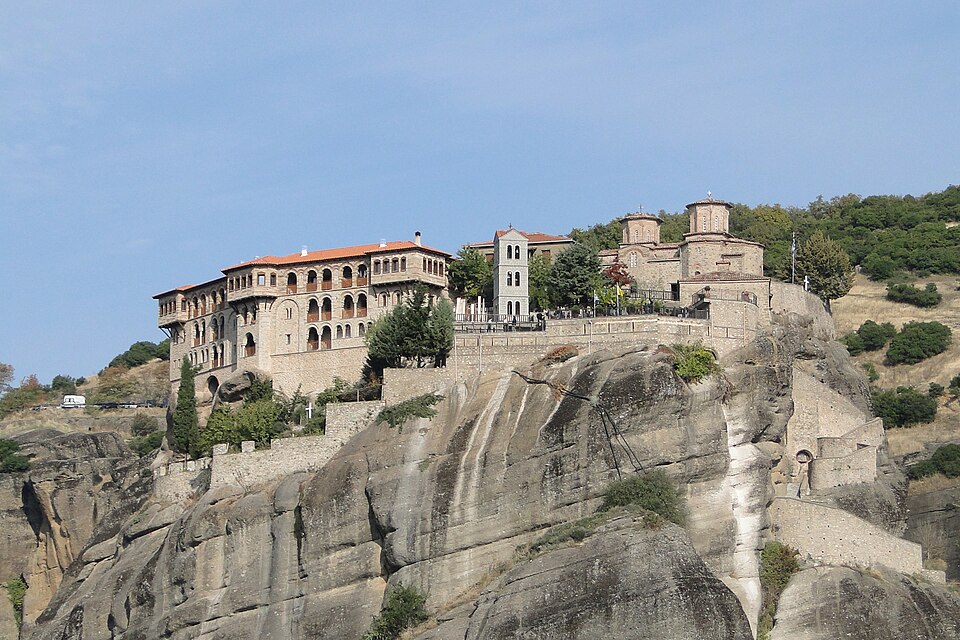
The Varlaam Monastery

Second largest rock [OUTDOOR] Varlaam was founded in 1517 and contains some of the finest frescoes at Meteora

the Last Judgement (1566) by the Theban brothers Franco and Georgios is particularly celebrated. The original net ascent (now replaced by stone steps) was the only way up — visitors were literally hauled in a net.

3

The View from the Rocks

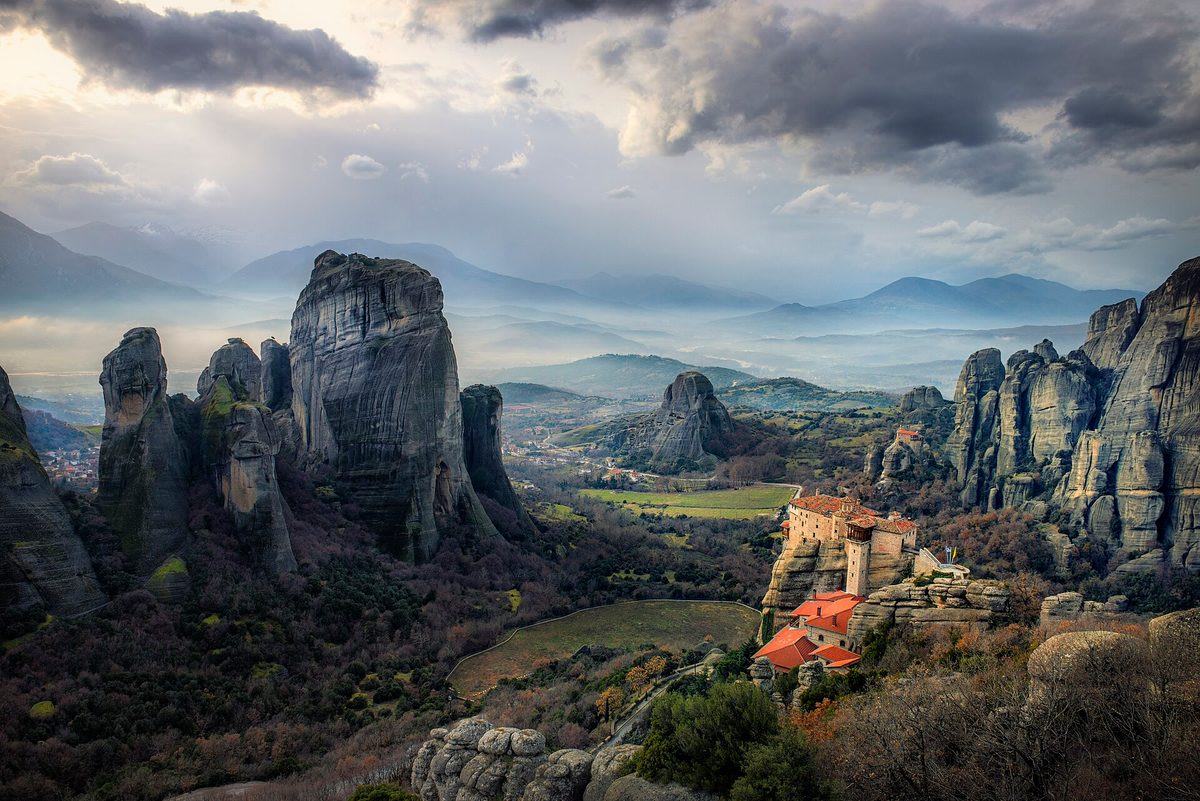
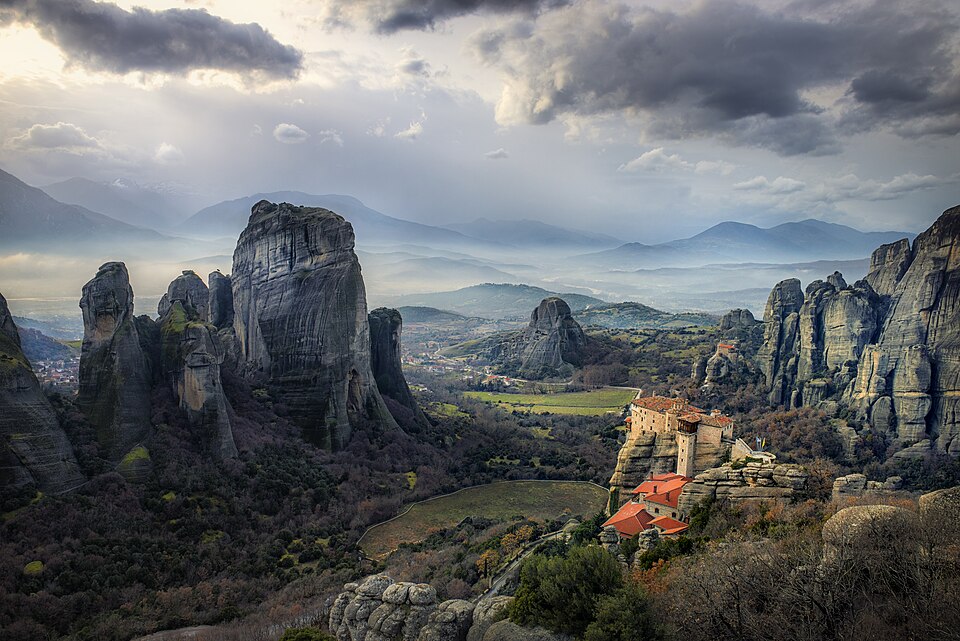
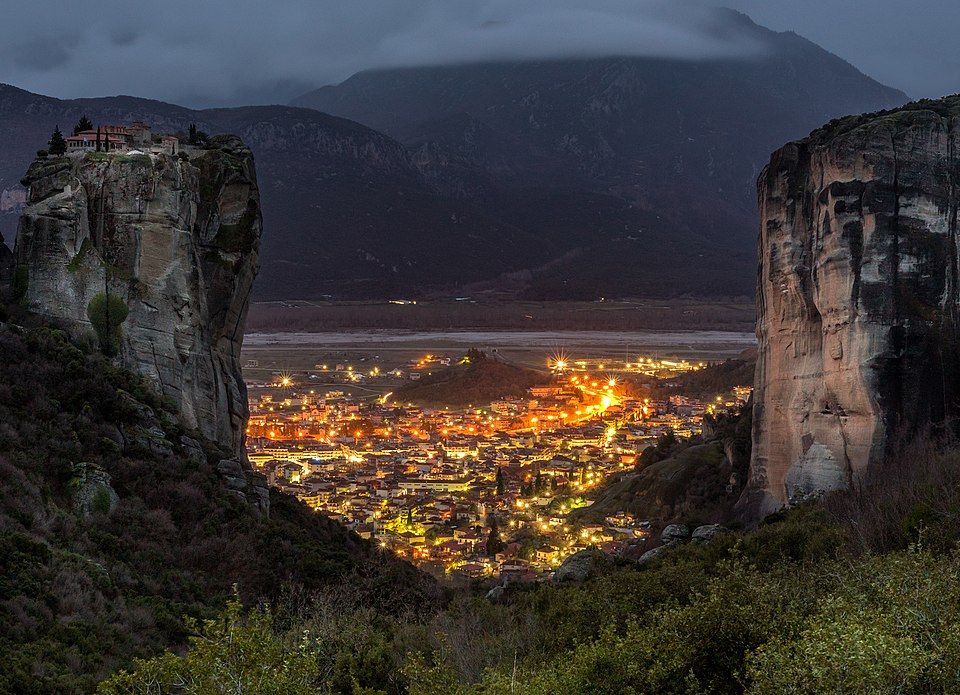
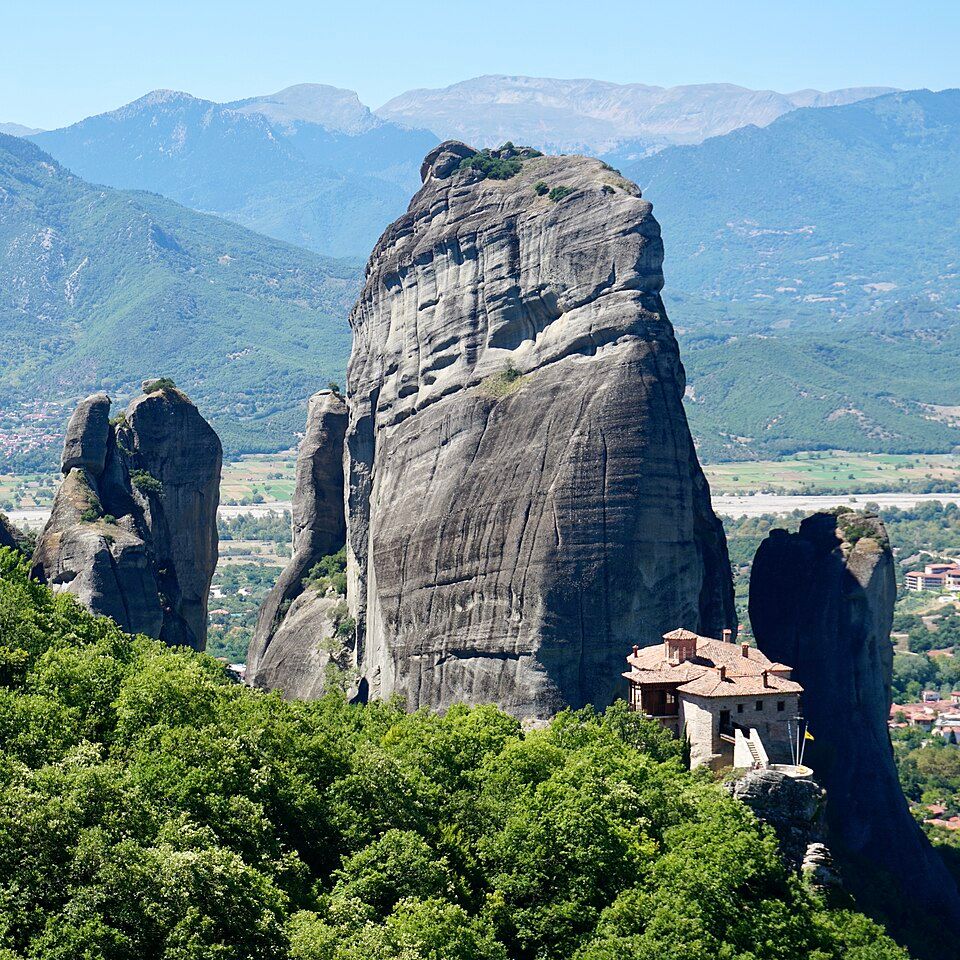
Across the Thessalian plain [OUTDOOR] From the terraces of any monastery, the view across the broad Thessalian plain is extraordinary

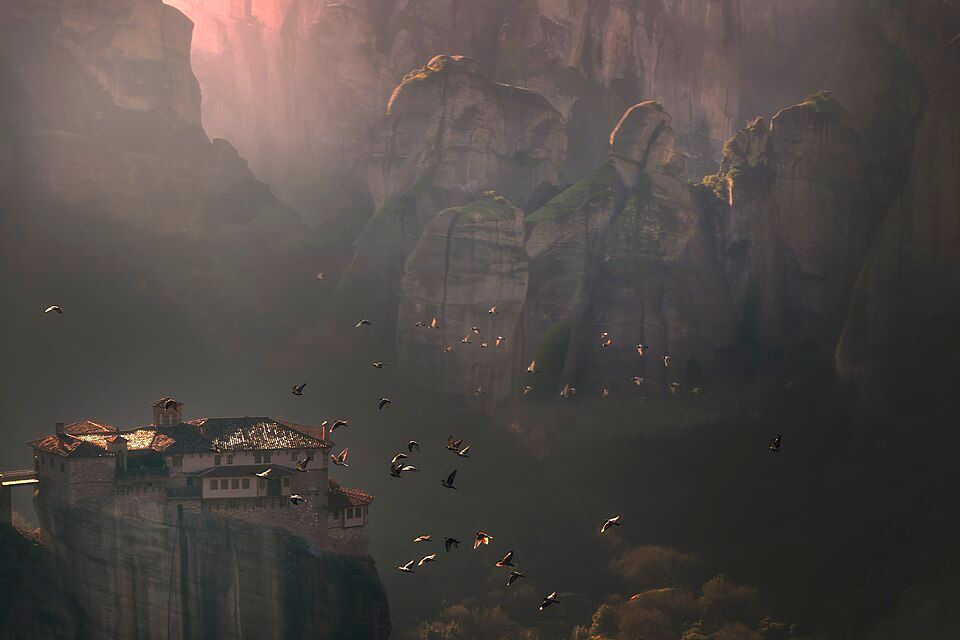
the rocks rise like fingers from the flat, fertile valley, and the monasteries cling to their tops. At dawn, mist fills the plain below, leaving only the monastery rock tops visible: the suspended-in-air effect that gave Meteora its name.

4

The Byzantine Frescoes

Great Meteoron, Varlaam, Holy Trinity The 14th-16th century frescoes in the monastery churches are among the finest surviving examples of the post-Byzantine Cretan school. Scenes from the Passion, the Last Judgement, and the lives of the saints fill the dark interiors

painted for monks who would see them every day for a lifetime.

5

The Path Between the Monasteries

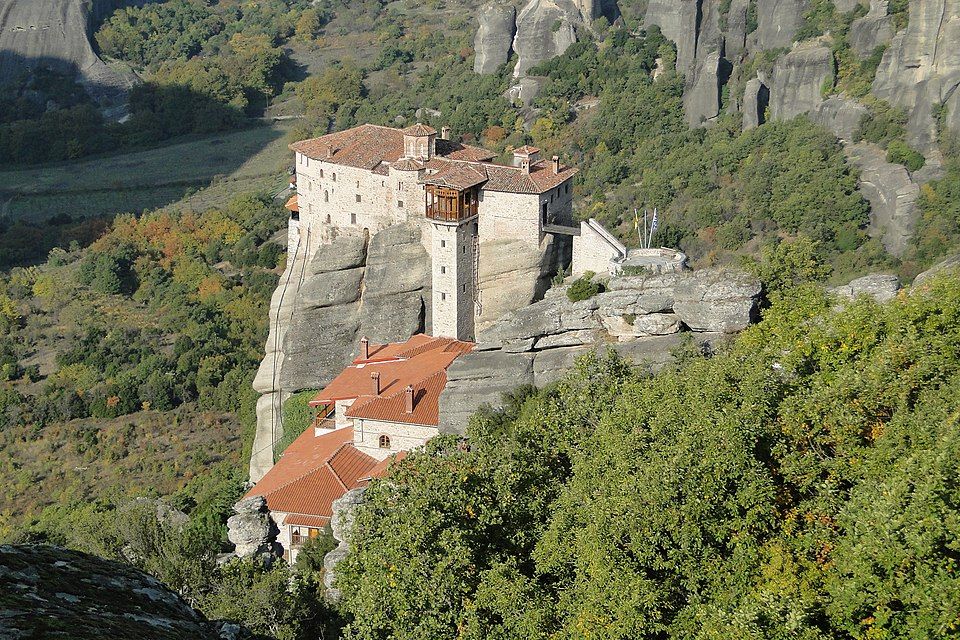
Rocky paths and stone steps [OUTDOOR] A network of footpaths connects all six monasteries, carved into and around the base of the rock formations. Walking from monastery to monastery is itself an act of pilgrimage

the landscape, the height, the silence, and the occasional sight of a monk crossing a bridge between rocks creates an atmosphere unlike any other sacred place.

Intentions

Carry these intentions into the Basilica with you — pause at each sacred spot and lift them to God.

🙏

For the monks and nuns of the six communities still living here in prayer

🙏

For the hermits of the 9th century who chose inaccessibility to pray more deeply

🙏

For the Orthodox tradition — for its frescoes, its chant, its theology of theosis

🙏

For Greece and for all it has given to Christian theology and art

🙏

For those who need height and perspective — literally and spiritually

🙏

For the preservation of this landscape, threatened by mass tourism

🙏

For all those who look upward and find God — in mountains, in art, in prayer

🙏

For the unity of Eastern and Western Christianity

Reflection

A monk climbed a rock 300 metres above the Thessalian plain in the 9th century because he wanted to be far from the world. Other monks followed. Communities formed on rocks. Twenty-four monasteries. Ropes and nets were the only access. Byzantine emperors built their own foundations on these rocks. Today, two million tourists visit each year. The monks are still there, celebrating the Divine Liturgy on Sunday mornings, whether or not anyone comes to watch. The ancient question of solitude versus witness does not resolve at Meteora: it simply endures at great height.

Suggested Scripture — Psalm 121:1-2

I lift up my eyes to the mountains — where does my help come from? My help comes from the Lord, the Maker of heaven and earth.

Read in full on Bible Gateway →

A Pilgrim's Prayer

Lord of the heights and the depths, I look up at these rocks where humans built homes to pray in, at the monks who still live here above the clouds, and I understand nothing — except that the impulse that drove them up was right. Let me be raised by this place. Let the height of Meteora do something to my soul that ordinary ground cannot. Amen.

More

The Meteora in Thessaly, central Greece, is one of the most visually extraordinary sacred landscapes on Earth — six Eastern Orthodox monasteries perched atop immense freestanding sandstone rock pillars rising 300 to 600 metres from the plain below. The name Meteora means suspended in air, or in the heavens, in Greek — a perfect description of the effect when these monasteries are glimpsed above cloud or mist from the valley floor.

Monastic History

The first hermits came to these rocks in the 9th century, seeking inaccessibility as a protection for their spiritual lives. A monastic community developed under the authority of St Athanasios of Meteora from the 14th century, who built the Great Meteoron (the Transfiguration Monastery) around 1350. At the height of monastic life in the 16th century there were 24 monasteries on the rocks. Today six survive and are still inhabited by monks and nuns.

Visiting

All six monasteries are active religious communities, not museums. The Meteora complex was inscribed as a UNESCO World Heritage Site in 1988. Visiting Meteora is simultaneously a pilgrimage, an encounter with Byzantine heritage, and an experience of wild landscape of extraordinary grandeur. The frescoes, icons and illuminated manuscripts preserved in the monasteries constitute one of the great collections of Byzantine religious art outside of Constantinople.