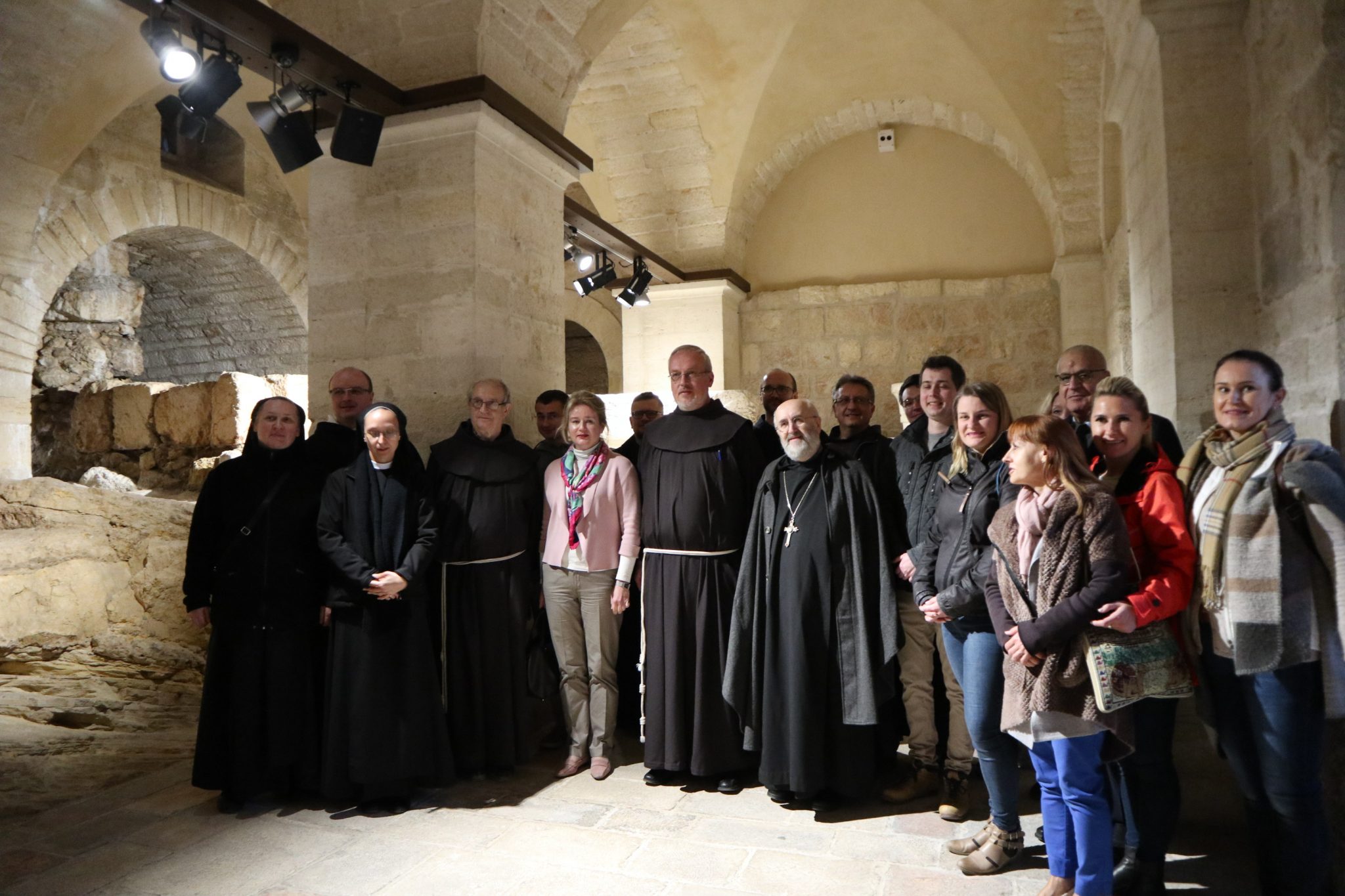
Terra Sancta Museum, Jerusalem

Terra Sancta Museum, Jerusalem

The Franciscan Terra Sancta Museum, Jerusalem exhibits the spiritual, archaeological, and artistic roots of Christianity. Click for more info.

Type
Museum
Country
Israel
Location
St Saviour Monastery, Via Dolorosa, Jerusalem 91001
Scroll
01At a Glance

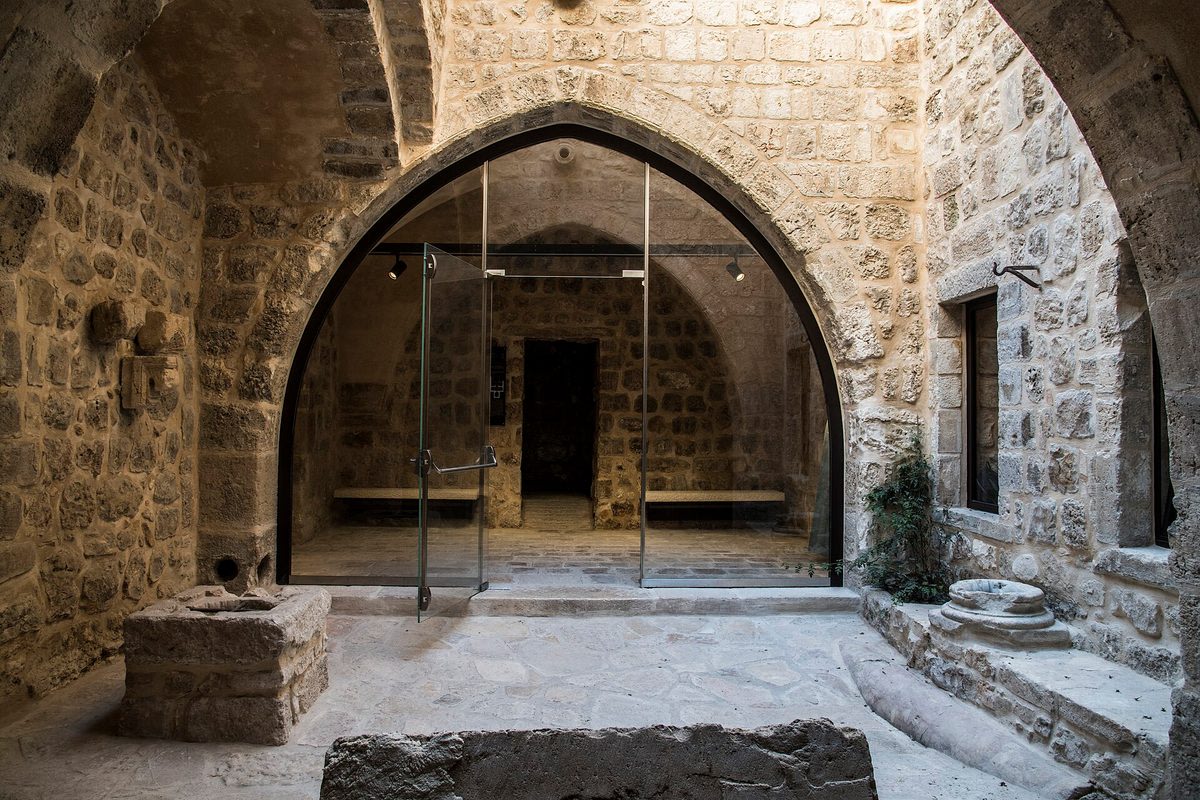
Established in 1902, the roots of the Franciscan run Terra Sancta Museum, Jerusalem go back to over 800 years. The Order of Friars Minor in Jerusalem was founded in 1217 AD, by St Francis of Assisi as a part of the OFM headquartered at Assisi, Italy . The order was tasked with the Custody of the Holy Land in 1342 AD. According to this mandate the Franciscans are to ‘guard the grace of the Holy places of the Holy Land and the rest of the Middle East, as well as the pilgrims visiting the Holy places’ on behalf of the Catholic Church. Jerusalem is at the heart of many events connected with the life of Jesus and the establishment of Christianity. The region abounds with many pieces of art and architecture, rare manuscripts and artefacts of great religious, historical and cultural significance. Many of these would not have survived but for the efforts of the Franciscan order, which has located, restored and preserved these treasures. For centuries, these treasures remained confined to the Franciscan monasteries, hidden from the outside world. Many of the exhibits are a result of the archaeological excavations undertaken by the Franciscans themselves at various sites throughout the Holy Land in Israel and Jordan . All the historical periods- Roman, Byzantine, Crusaders are represented in the portfolio of the Terra Sancta. In order to expose these priceless artefacts to the world at large, the Terra Sancta Museum was established to preserve and promote Christian heritage. In the words of the Franciscans: the Terra Sancta Museum was born to exhibit, in the heart of Jerusalem’s old city, the spiritual, archaeological, and artistic heritage of Christianity, preciously conserved by the Franciscans over the last eight centuries. The Terra Sancta Museum, Jerusalem is located in two Franciscan compounds of the Custody of the Holy Land: the Convent of the Flagellation and the Convent of St Saviour. The monastery is located near the Lions Gate in the Muslim Quarter of the Old City of Jerusalem. Traditionally the entrance is from the second station of the Stations of the Cross on the Via Dolorosa. The compound also includes the Church of the Flagellation and the Chapel of the Condemnation. The Studium Biblicum Franciscanum which is an academic institution of the Order has been responsible for much of the archaeological excavation and research that went into setting up the Museum.

1

Established in 1902, the roots of the Franciscan run Terra Sancta Museum, Jerusalem go back to over 800 years

2

The Order of Friars Minor in Jerusalem was founded in 1217 AD, by St Francis of Assisi as a part of the OFM headquartered at Assisi, Italy

3

According to this mandate the Franciscans are to ‘guard the grace of the Holy places of the Holy Land and the rest of the Middle East, as well as the pilgrims visiting the Holy places’ on behalf of the Catholic Church

4

In order to expose these priceless artefacts to the world at large, the Terra Sancta Museum was established to preserve and promote Christian heritage

02Plan Your Visit
Getting There
Terra Sancta Museum, Via Dolorosa, Old City, Jerusalem, Israel 9514001

On the Via Dolorosa in the Old City of Jerusalem, accessible through the Muslim Quarter. Entrance through the Franciscan complex on Via Dolorosa. From Jaffa Gate: 15-minute walk through the Old City. From Damascus Gate: 10-minute walk.

Open in Google Maps →
IST (UTC+2:00)
--:--:--

The Terra Sancta Museum is essential for contextualising the holy sites. Begin with the museum before visiting the Via Dolorosa, the Church of the Holy Sepulchre, and the other sites. Buy tickets in advance online.

Opening Hours
MuseumSunday to Friday 9:00 AM - 5:00 PM; closed Saturday
03Must See

What to seek out, and why it matters

I
On the street

The Via Dolorosa Context

The museum is on the Via Dolorosa — the route Jesus walked to Calvary that pilgrims have been walking for 1,600 years. Standing on this street, before entering the museum, one stands in one of the most walked pilgrimage routes in the world. The Franciscan procession of the Via Dolorosa takes place every Friday at 3 PM.

II
Inside the museum

The Archaeological Collections

The museum's collections — coins from the 1st century, inscriptions in Greek and Aramaic, architectural elements from the earliest churches, ceramics from Byzantine monasteries, maps and documents from the Franciscan custody — provide physical evidence for the Christian presence in the Holy Land across two millennia. The intersection of archaeology and faith is one of the most productive encounters possible for a pilgrim.

III
Museum context

The Franciscan Custody Story

The story of the Franciscan Custody of the Holy Land — appointed by Pope Clement VI in 1342 to be the custodians of the Christian holy sites, a responsibility maintained through Mamluk, Ottoman, British, Jordanian, and Israeli rule — is one of the most remarkable stories of institutional continuity in the history of the Church. The museum is both an archaeological collection and a monument to this 700-year custodial vocation.

IV
Just outside the museum

The Fifth Station of the Cross

The Fifth Station of the Cross — Simon of Cyrene compelled to carry the cross — is immediately adjacent to the museum. The imprint in the ancient stone wall where Jesus is said to have placed his hand is one of the most venerated touchpoints on the Via Dolorosa. Thousands of pilgrims touch this stone each week.

V
Across the museum

The Physical Evidence of Faith

The accumulation of physical evidence in the Terra Sancta Museum — the coins that circulated in Jerusalem in Jesus's time, the inscriptions in the language he spoke, the architectural fragments of the churches that were built over his footsteps — grounds the pilgrimage in the material world. Faith that has physical evidence is not thereby more real; but it is more accessible to people who need to see and touch.

04Masses & Events
Museum VisitsSunday to Friday 9:00 AM - 5:00 PM

Self-guided and guided visits

Guided ToursBy appointment

Specialist guided tours with the Franciscan Custody

Special ProgrammesSeasonal

Specific educational and pilgrimage programmes

5Reflection & Prayer

The archaeologist and the pilgrim need each other. The pilgrim without the archaeologist believes in a place that may not have been where tradition says it was — and sometimes tradition has been right and sometimes wrong. The archaeologist without the pilgrim excavates evidence of a human past without a theological framework for what was most significant about it. The Terra Sancta Museum is the place where the pilgrim and the archaeologist meet. The coin from the 1st century and the prayerful visitor from the 21st century are in the same room, asking the same question: what happened here?

1 John 1:1

That which was from the beginning, which we have heard, which we have seen with our eyes, which we have looked at and our hands have touched — this we proclaim concerning the Word of life.

Read in full on Bible Gateway →
A Pilgrim's Prayer

What our hands have touched — this we proclaim. The first Christians proclaim what they touched. The museum holds what their hands made and used and left behind. My hands touch the glass over a coin from the 1st century that circulated in Jerusalem when Jesus walked there. The material world bears witness. Let me also proclaim what I have touched — what has become real to me in this place. Amen.

06More

Established in 1902, the roots of the Franciscan-run Terra Sancta Museum, Jerusalem go back over 800 years. The Order of Friars Minor in Jerusalem was founded in 1217 AD by St Francis of Assisi as a part of the OFM headquartered at Assisi, Italy. The order was tasked with the Custody of the Holy Land in 1342 AD. According to this mandate, the Franciscans are to ‘guard the grace of the Holy places of the Holy Land and the rest of the Middle East, as well as the pilgrims visiting the Holy places’ on behalf of the Catholic Church.

Preserving Christian Heritage

Jerusalem is at the heart of many events connected with the life of Jesus and the establishment of Christianity. The region abounds with many pieces of art and architecture, rare manuscripts and artefacts of great religious, historical and cultural significance. Many of these would not have survived but for the efforts of the Franciscan order, which has located, restored and preserved these treasures. For centuries, these treasures remained confined to the Franciscan monasteries, hidden from the outside world.

Many of the exhibits are a result of the archaeological excavations undertaken by the Franciscans themselves at various sites throughout the Holy Land in Israel and Jordan. All the historical periods — Roman, Byzantine, Crusader — are represented in the portfolio of the Terra Sancta. In order to expose these priceless artefacts to the world at large, the Terra Sancta Museum was established to preserve and promote Christian heritage. In the words of the Franciscans: the Terra Sancta Museum was born to exhibit, in the heart of Jerusalem’s old city, the spiritual, archaeological and artistic heritage of Christianity, preciously conserved by the Franciscans over the last eight centuries.

Location

The Terra Sancta Museum is located in two Franciscan compounds of the Custody of the Holy Land: the Convent of the Flagellation and the Convent of St Saviour. The monastery is located near the Lions Gate in the Muslim Quarter of the Old City of Jerusalem. Traditionally, the entrance is from the second station of the Stations of the Cross on the Via Dolorosa. The compound also includes the Church of the Flagellation and the Chapel of the Condemnation. The Studium Biblicum Franciscanum, an academic institution of the Order, has been responsible for much of the archaeological excavation and research that went into setting up the Museum.
Saints Associated With This Site
Part of these pilgrimages
9-day pilgrimage · Jerusalem — the Via Dolorosa
Holy Land Classic
View itinerary →
15-day pilgrimage · Jerusalem — Via Dolorosa & Holy Sepulchre
Holy Land + Jordan + Egypt
View itinerary →
More from Israel
Basilica of the Annunciation
Church of the Holy Sepulchre
Old City of Jerusalem
Church of the Nativity
Manger Square, Bethlehem
Church of the Visitation