The Jordan River
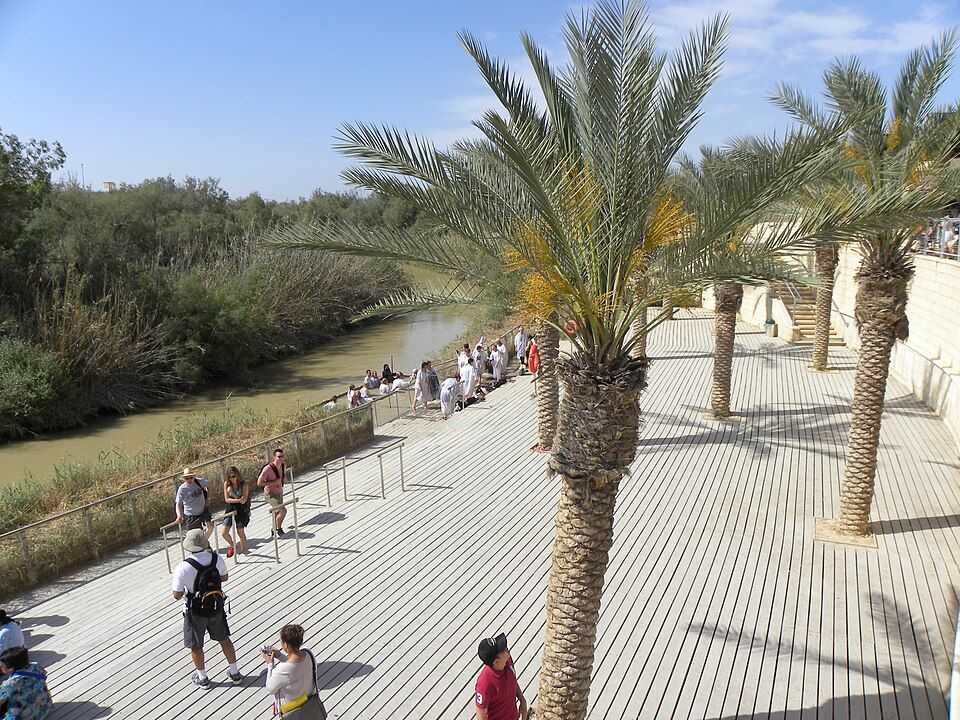
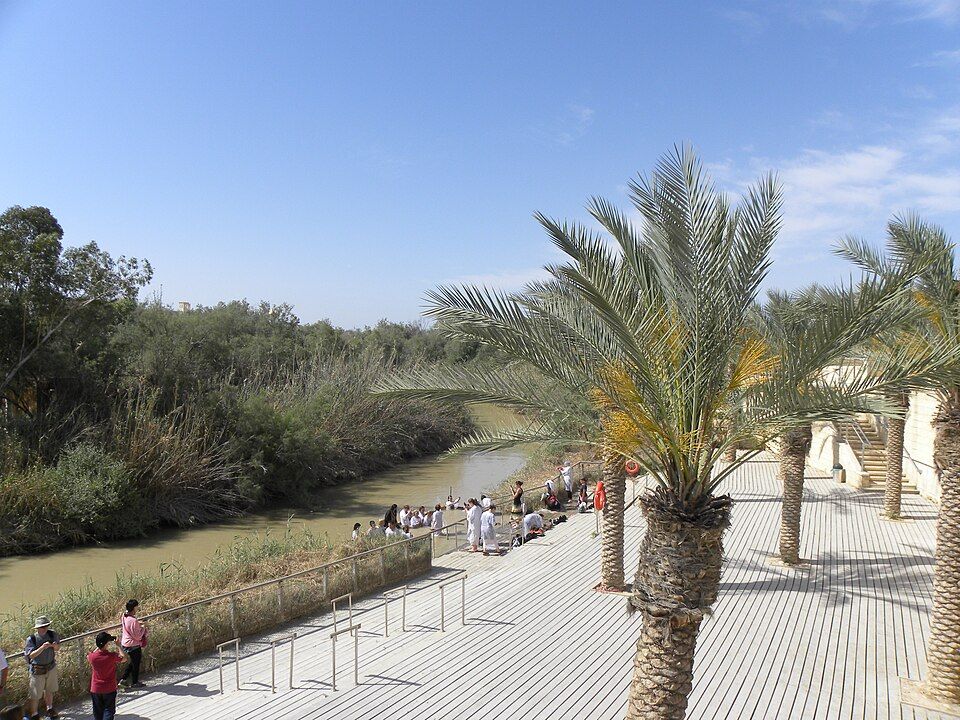
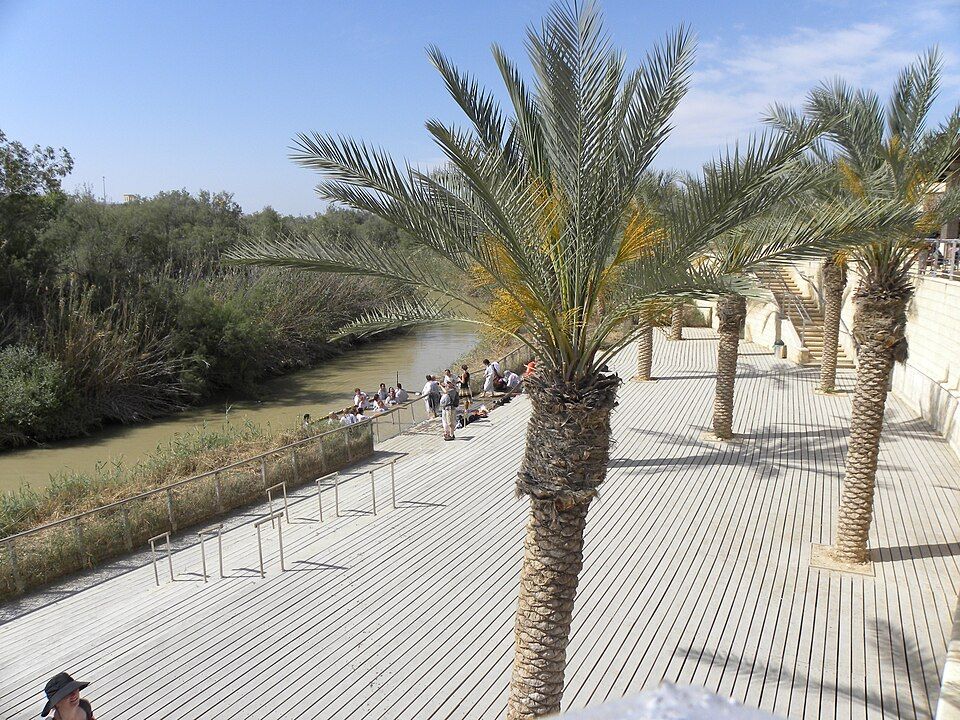
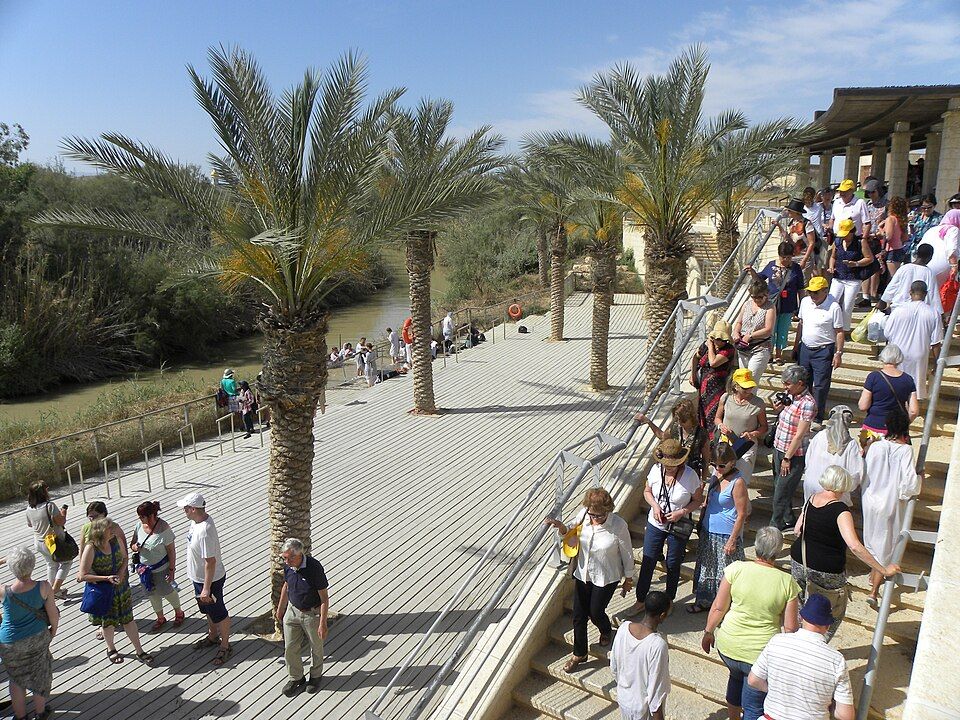
The eastern bank, river access point [OUTDOOR] The guided tour ends at the bank of the Jordan River, where pilgrims can touch and enter the water at the point identified as the baptism site.
 Pilgrimstays
Bethany Beyond the Jordan — Al-Maghtas in Arabic — is the site on the eastern bank of the Jordan River identified by the Gospels of John and the Synoptics as the place where John the Baptist baptised Jesus Christ. The site was inscribed as a UNESCO World Heritage Site in 2015. It lies in the Balqa Governorate of Jordan, approximately 50 km from Amman, directly across the Jordan River from the Israeli/Palestinian site of Qasr el-Yahud. Archaeological excavations since 1996, undertaken by the Jordanian government and international teams, have revealed extensive remains of Byzantine churches, baptismal pools, monastic communities, and hermit caves dating from the 1st to the 8th centuries AD — demonstrating that this site has been a major Christian pilgrimage destination since the earliest centuries of the Church. The ruins include a church built by the Byzantine Empress Eudokia in the 5th century and a tell (mound) associated with the prophet Elijah's ascent to heaven. Pope John Paul II visited the site in 2000 during his Great Jubilee pilgrimage to the Holy Land, renewing the Roman Catholic recognition of Al-Maghtas as the authentic site of the Baptism. Pope Benedict XVI visited in 2009, and Pope Francis visited in 2014. The site is managed jointly by the Jordanian government and a committee of Christian churches, with twelve churches of different denominations having been granted plots to build their own chapels on the site.
Inscribed as a UNESCO World Heritage Site in 2015 as the authentic site of the Baptism of Jesus Visited by
Pope John Paul II (2000), Pope Benedict XVI (2009), and
Pope Francis (2014) Archaeological remains from the 1st-8th centuries AD confirm continuous early Christian pilgrimage Twelve Christian denominations have built or are building chapels at the site The Jordan River here is the most sacred body of water in Christianity
The eastern bank, river access point [OUTDOOR] The guided tour ends at the bank of the Jordan River, where pilgrims can touch and enter the water at the point identified as the baptism site.
brownish-green, and slow. The Israeli bank is directly opposite. To stand here, in the water of the Jordan, is the experiential heart of the pilgrimage. Tell Mar Elias (Elijah's Hill) — The mound above the main site [OUTDOOR] The archaeological mound associated with the site of Elijah's ascent to heaven in a chariot of fire is one of the holiest sites in the Old Testament. The connection between Elijah and John the Baptist (who came in the spirit of Elijah) makes this dual site theologically coherent: the prophet who ascended was replaced by the prophet who baptised.
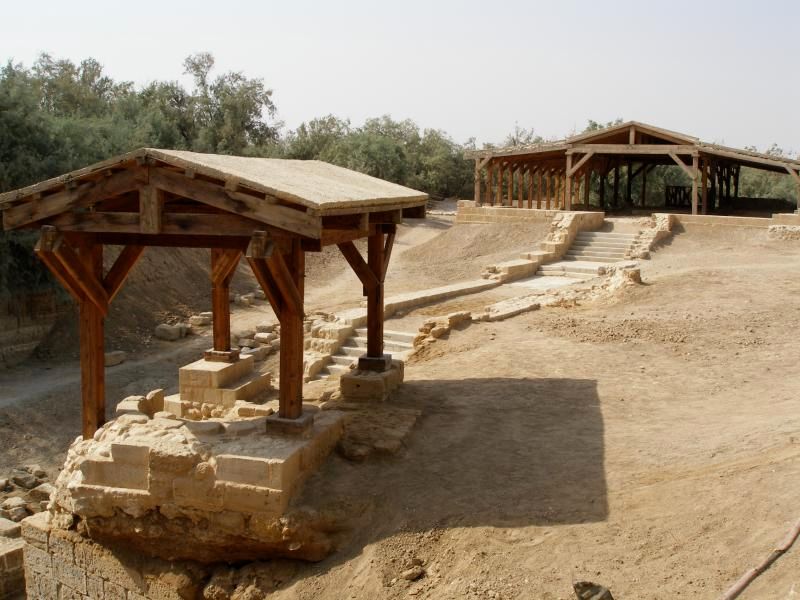
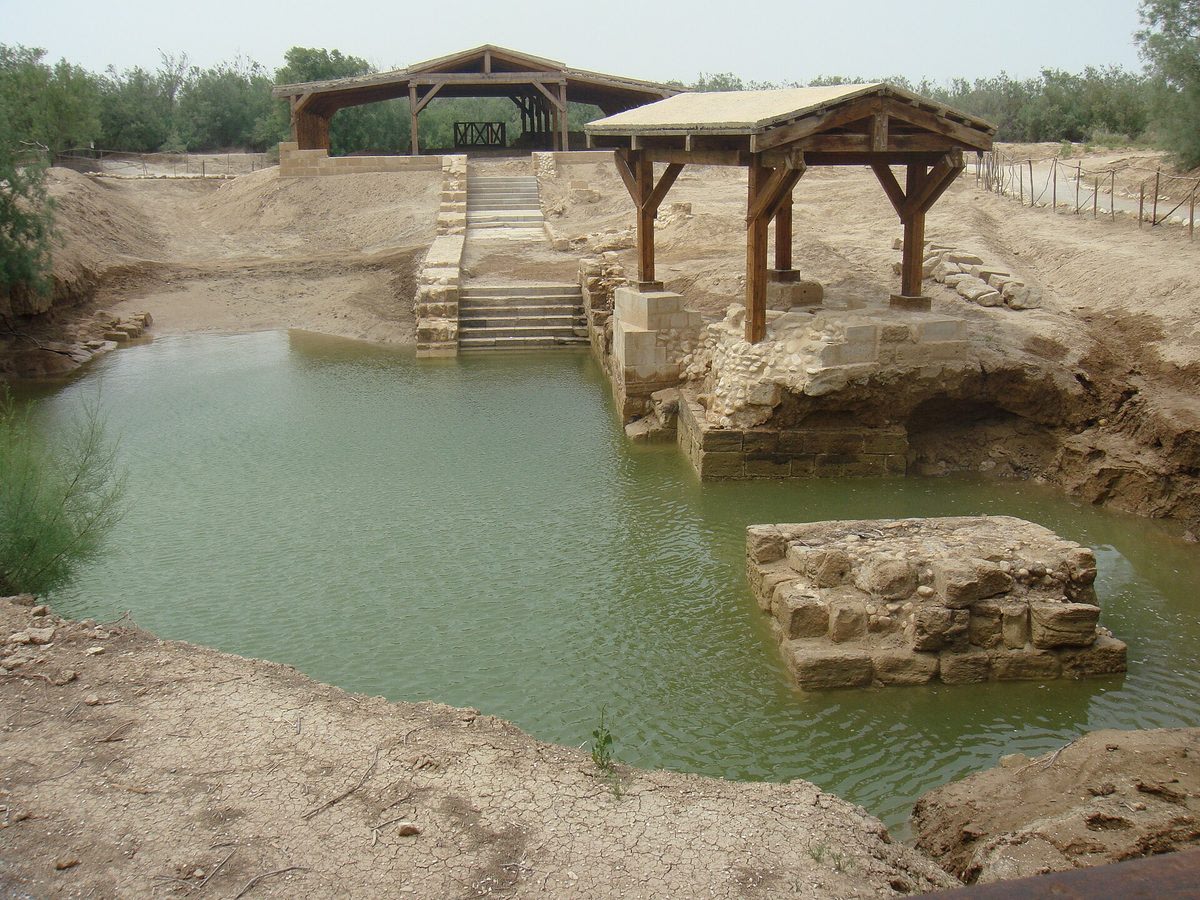
Main archaeological area The ruins of three successive Byzantine churches, including the 5th-century church of Empress Eudokia and the baptismal pool built by Byzantine pilgrims, demonstrate that this site has been venerated for 1,700 years. The archaeological excavations are ongoing, and new discoveries continue to be made.
including the Catholic, Greek Orthodox, Coptic, Armenian, and Lutheran churches — have been granted plots adjacent to the main site and have built or are building their own chapels. The landscape of twelve different church traditions gathered at the single place of the Baptism is a powerful image of both Christian unity and Christian diversity.
the lowest point on Earth. The Jordan Valley, the barren hills of Judea on the western bank, and the Jordanian desert on the east form a landscape of extraordinary biblical austerity. This is the geography of John the Baptist's preaching.
The Jordan River is ten metres wide, slow-moving, and brown. If you did not know what happened here, you would not stop. But the Church has stopped here for 2,000 years, because this is where it began — or at least where Jesus began his public life, coming to be baptised by his cousin John, stepping into the water, and hearing the voice from heaven: This is my Son, whom I love. Every Christian Baptism since has been a repetition of this moment, in water of every kind.
“As soon as Jesus was baptised, he went up out of the water. At that moment heaven was opened, and he saw the Spirit of God descending like a dove and alighting on him. And a voice from heaven said: This is my Son, whom I love; with him I am well pleased.”
Read in full on Bible Gateway →Bethany Beyond the Jordan — Al-Maghtas in Arabic — is the site on the eastern bank of the Jordan River identified by the Gospels of John and the Synoptics as the place where John the Baptist baptised Jesus Christ. The site was inscribed as a UNESCO World Heritage Site in 2015. It lies in the Balqa Governorate of Jordan, approximately 50 km from Amman, directly across the Jordan River from the Israeli/Palestinian site of Qasr el-Yahud.
Archaeological excavations since 1996, undertaken by the Jordanian government and international teams, have revealed extensive remains of Byzantine churches, baptismal pools, monastic communities and hermit caves dating from the 1st to the 8th centuries AD — demonstrating that this site has been a major Christian pilgrimage destination since the earliest centuries of the Church. The ruins include a church built by the Byzantine Empress Eudokia in the 5th century and a tell (mound) associated with the prophet Elijah’s ascent to heaven.
Pope John Paul II visited the site in 2000 during his Great Jubilee pilgrimage to the Holy Land, renewing the Roman Catholic recognition of Al-Maghtas as the authentic site of the Baptism. Pope Benedict XVI visited in 2009, and Pope Francis visited in 2014. The site is managed jointly by the Jordanian government and a committee of Christian churches, with twelve churches of different denominations having been granted plots to build their own chapels on the site.