St Andrew’s Basilica, Arthunkal

St Andrew’s Basilica, Arthunkal

St Andrew's Basilicais considered the largest shrine of St Sebastian in the world

Type
Basilica
Country
India
Location
Arthunkal, Cherthala South, Kerala 688530
Scroll
01At a Glance

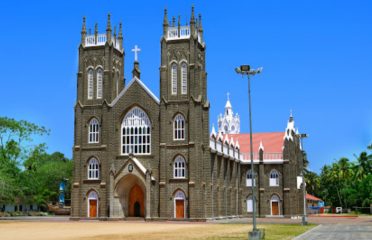
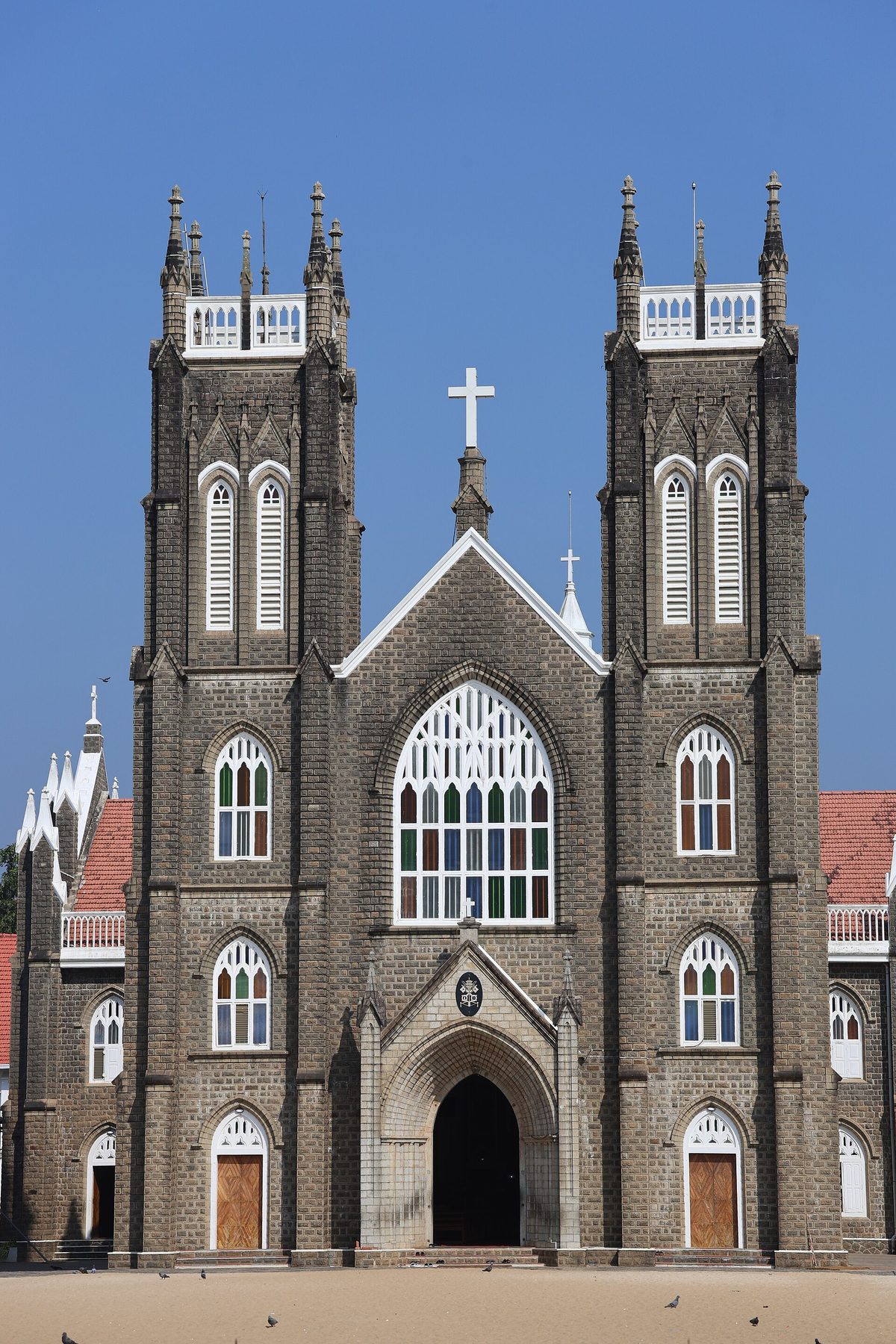
Established in 1581, with a modest structure of wood and coconut palm leaves, the St Andrew’s Basilica or Arthunkal church has grown to great heights. It is considered the largest shrine of St Sebastian in the world. Although named after St Andrew the Apostle, it is the feast of St Sebastian conducted at the basilica in January each year that has brought it renown. Today it is a pilgrim centre for innumerable devotees from across Kerala and other parts of India. It’s story begins in 1581 when Veera Kerala Varma, the ruler of Cochin, gave permission to build a Church in wood. It was however Fr Giacomo Fenicio, an Italian Jesuit, who in 1584 obtained permission from the King to construct a new church made of lime and stone. To Fr Giacomo Fenicio goes the credit for having constructed the church twice. On his transfer back to Arthunkal in 1619, Fr Fenicio proceeded to rebuild the church. For the pious and saintly life he led, Fr Giacomo Fenicio was lovingly referred to as ‘Veluthachan’ or ‘the white priest’. Arthunkal rose to fame when in 1647 the miraculous statue of St Sebastian sculpted in Milan, was brought to Arthunkal from Italy in a ship. St Sebastian, who was the captain of the body guards of the Roman Emperor Diocletian, was brutally put to death in 286 AD. The emperor ordered the execution as he could not accept St Sebastian’s faith in Christ. People from all faiths who were afflicted by illness prayed to St Sebastian and were cured. Gradually, the Arthunkal church began to attract thousands of people of all creeds. In the 18th century control of the church passed into the hands of the Carmelite missionaries from the Jesuits. It was during the Carmelite period, Kuriakose Elias Chavara was ordained in this church on 29th November 1829, by Mauralius Stablini, the Archbishop of Verapoly. Kuriakose Elias Chavara who belonged to the Syro-Malabar Catholic Church went on to become the first canonised male saint of Indian origin. Considering the antiquity and the fame of the Church, St. Andrew’s Church was elevated to the status of a basilica on 21st May 2010.

1

Established in 1581, with a modest structure of wood and coconut palm leaves, the St Andrew’s Basilica or Arthunkal church has grown to great heights

2

It is considered the largest shrine of St Sebastian in the world

3

Although named after St Andrew the Apostle, it is the feast of St Sebastian conducted at the basilica in January each year that has brought it renown

4

Today it is a pilgrim centre for innumerable devotees from across Kerala and other parts of India

5

To Fr Giacomo Fenicio goes the credit for having constructed the church twice

02Plan Your Visit
Getting There
St Andrew's Basilica, Arthunkal, Alappuzha District, Kerala 688535

Arthunkal is 16 km south of Alappuzha (Alleppey) and 60 km from Kochi. From Alappuzha: regular buses to Arthunkal (30–40 minutes). By boat across the backwaters: a scenic alternative, coordinated with boat operators in Alappuzha. By road from Kochi: 1.5–2 hours.

Open in Google Maps →
IST (UTC+5:30)
--:--:--

The January feast (around January 20) is the major event — arrive very early or stay overnight as crowds are enormous. The coastal setting is beautiful year-round. The backwaters boat approach is recommended for its scenic quality.

Opening Hours
Basilica5:30 AM - 8:30 PM daily
03Must See

What to seek out, and why it matters

I
Basilica grounds

The January Feast Gathering

The January feast of St Sebastian draws an extraordinary crowd — pilgrims arriving by boat from the backwaters, on foot, and in buses from across Kerala. The sight of boats converging on the Arthunkal waterfront at night, with the basilica illuminated and the sound of prayer carrying across the water, is one of the most memorable experiences in Kerala pilgrimage.

II
Beach and coastal grounds

The Arabian Sea Setting

The basilica's position between the Arabian Sea and the backwaters creates a coastal pilgrimage landscape of exceptional beauty. Walking from the basilica to the beach — with the sea on one side and the backwaters on the other — is a physical enclosure by water that has a meditative quality. Many pilgrims walk the beach as part of their pilgrimage.

III
Approach to the basilica

The Penance Pilgrimage

The tradition of penance pilgrimage — in which devotees fulfil vows by walking the last distance to the church on their knees, barefoot on rough ground, or crawling — is practised at Arthunkal particularly during the January feast. The sight of men and women performing this physical devotion, surrounded by thousands of ordinary pilgrims, is one of the most intense expressions of popular Catholic piety in Kerala.

IV
From the approach road

The Basilica Exterior and Towers

The basilica, with its whitewashed facade and towers visible above the coastal coconut palms, presents the typical image of a Kerala Latin Catholic pilgrimage church. The approach through the palm-lined lane from the road, with the sound of the sea, is beautiful.

V
Via Alappuzha backwaters

The Backwaters Boat Approach

Arriving at Arthunkal by boat across the backwaters — coordinated with boat operators from Alappuzha — is the most distinctive approach to the basilica. The boat passes through the network of Kerala backwater channels, arriving at the Arthunkal waterfront with the basilica visible above the palms. It is the maritime pilgrimage approach to a coastal shrine.

04Masses & Events
Daily Mass6:00 AM, 8:00 AM, 6:00 PM

Regular daily Masses

Feast of St SebastianJanuary 20 and surrounding days

The principal feast; largest gathering of the year

Feast of St AndrewNovember 30

The basilica patron's feast

5Reflection & Prayer

A million people come to Arthunkal in January. They come from across Kerala, by boat and by road, many of them fulfilling vows made in sickness or crisis — promises made to St Sebastian that if healing came, they would come back. And they come back. This is the most specific and personal form of pilgrimage: not spiritual tourism, not cultural curiosity, but a debt being paid to a saint who delivered. The basilica exists to receive them.

Psalm 116:12-14

What shall I return to the Lord for all his goodness to me? I will lift up the cup of salvation and call on the name of the Lord. I will fulfill my vows to the Lord in the presence of all his people.

Read in full on Bible Gateway →
A Pilgrim's Prayer

Lord, what shall I return for all your goodness to me? I come here to fulfill my vow — the promise made in the hospital room, in the crisis, in the darkest night. I said: if you bring me through this, I will come. I am here. I have come. Receive what I bring — the gratitude, the testimony, the prayer of someone who asked and received. Amen.

06More

Established in 1581 with a modest structure of wood and coconut palm leaves, the St Andrew’s Basilica, or Arthunkal church, has grown to great heights. It is considered the largest shrine of St Sebastian in the world. Although named after St Andrew the Apostle, it is the feast of St Sebastian, conducted at the basilica in January each year, that has brought it renown. Today it is a pilgrim centre for innumerable devotees from across Kerala and other parts of India.

History

Its story begins in 1581 when Veera Kerala Varma, the ruler of Cochin, gave permission to build a church in wood. It was, however, Fr Giacomo Fenicio, an Italian Jesuit, who in 1584 obtained permission from the King to construct a new church made of lime and stone. To Fr Giacomo Fenicio goes the credit for having constructed the church twice; on his transfer back to Arthunkal in 1619, Fr Fenicio proceeded to rebuild the church. For the pious and saintly life he led, Fr Giacomo Fenicio was lovingly referred to as ‘Veluthachan’, or ‘the white priest’.

St Sebastian

Arthunkal rose to fame when in 1647 the miraculous statue of St Sebastian, sculpted in Milan, was brought to Arthunkal from Italy in a ship. St Sebastian, who was the captain of the bodyguards of the Roman Emperor Diocletian, was brutally put to death in 286 AD. The emperor ordered the execution as he could not accept St Sebastian’s faith in Christ. People from all faiths who were afflicted by illness prayed to St Sebastian and were cured. Gradually, the Arthunkal church began to attract thousands of people of all creeds.

A Saint Ordained Here

In the 18th century, control of the church passed into the hands of the Carmelite missionaries from the Jesuits. It was during the Carmelite period that Kuriakose Elias Chavara was ordained in this church on 29 November 1829 by Mauralius Stablini, the Archbishop of Verapoly. Kuriakose Elias Chavara, who belonged to the Syro-Malabar Catholic Church, went on to become the first canonised male saint of Indian origin.

Pilgrimage

Considering the antiquity and the fame of the church, St Andrew’s Church was elevated to the status of a basilica on 21 May 2010.

Saints Associated With This Site
Artworks Here
More from India
Church of St John the Evangelist (Afghan Church), Mumbai
Shahid Bhagat Singh Road, Navy Nagar, Colaba
All Saints Cathedral, Allahabad
Sarojini Naidu Marg, Civil Lines, Prayagraj (Allahabad)
Archdioceasan Heritage Museum, Mumbai
Archdiocesan Heritage Museum, St Pius X College, Aarey Road
Basilica of Bom Jesus, Goa
Basilica of Bom Jesus, Old Goa Road, Bainguinim