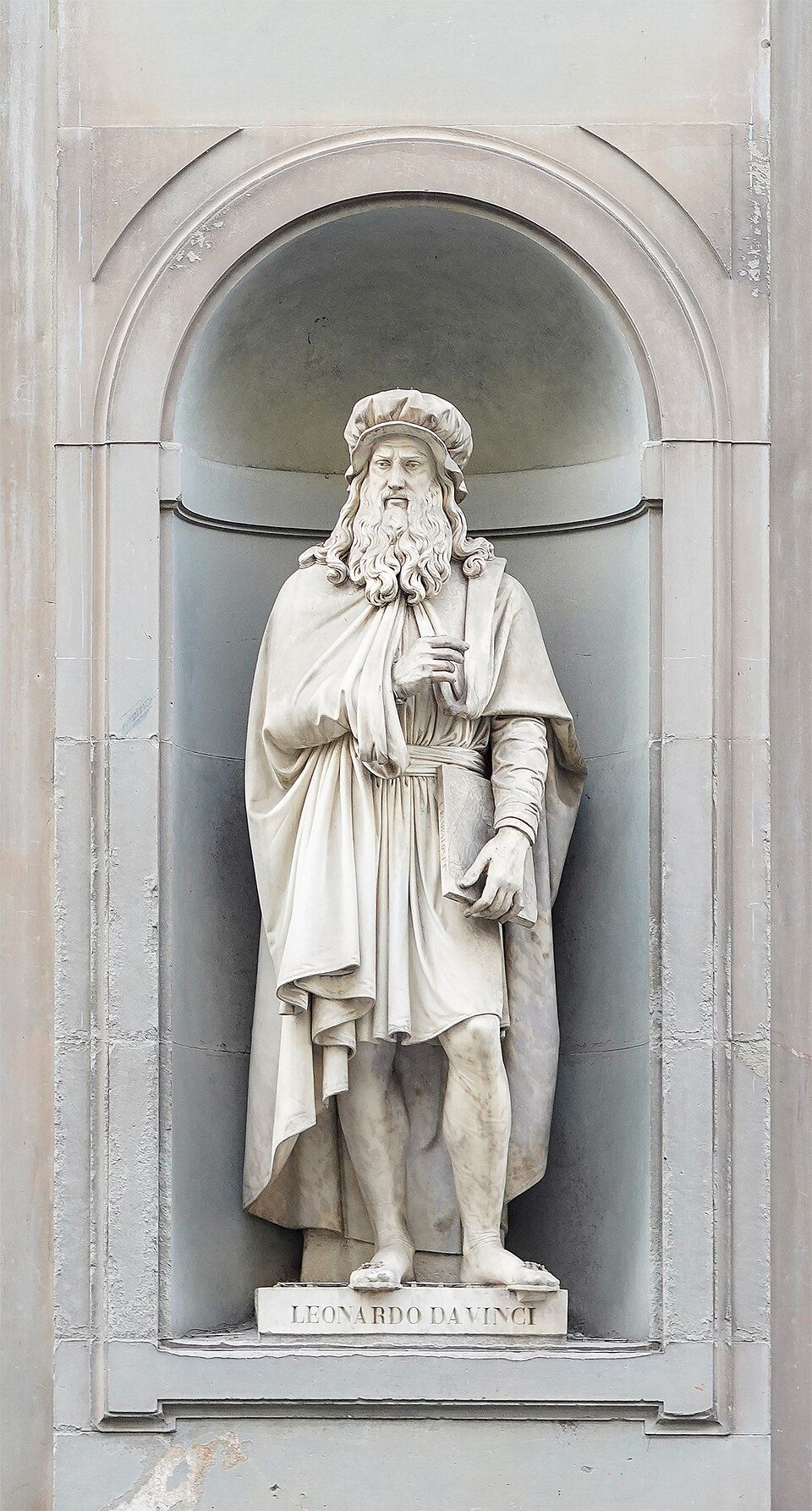
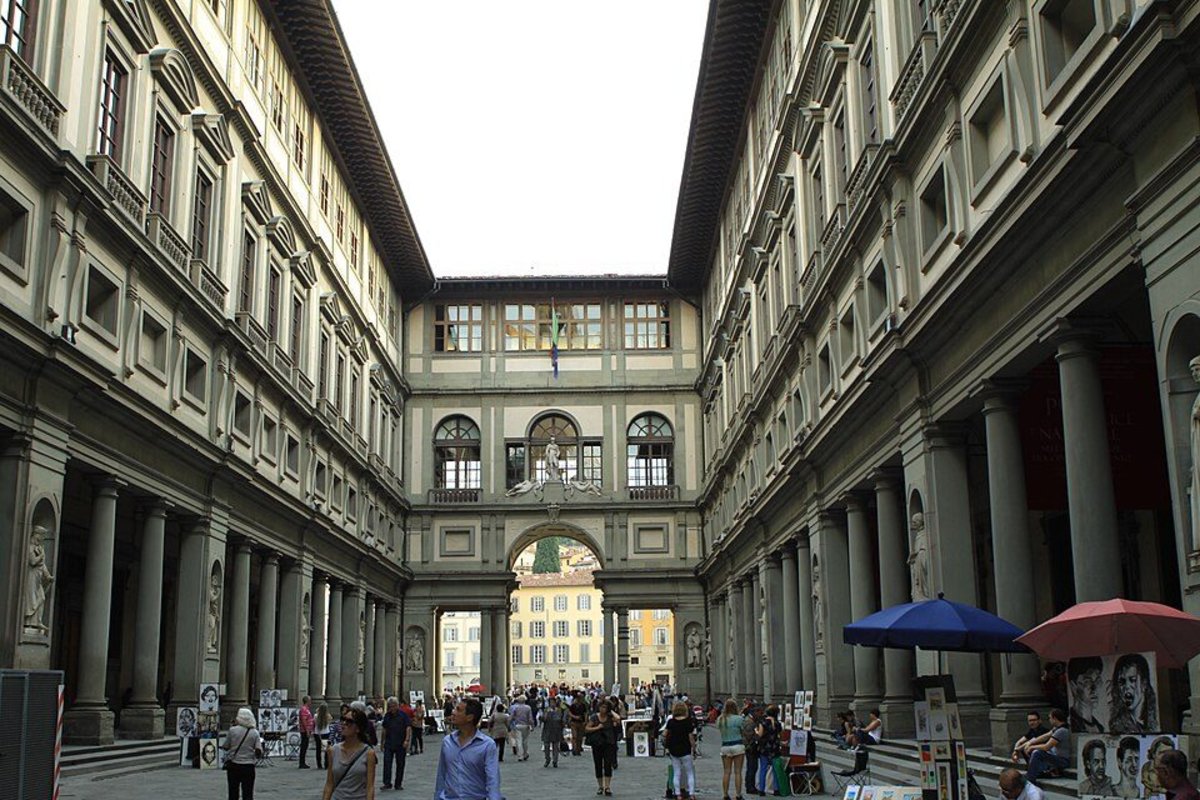
Uffizi Gallery
Museum · Italy / Vatican

Uffizi Gallery

Florence, Italy

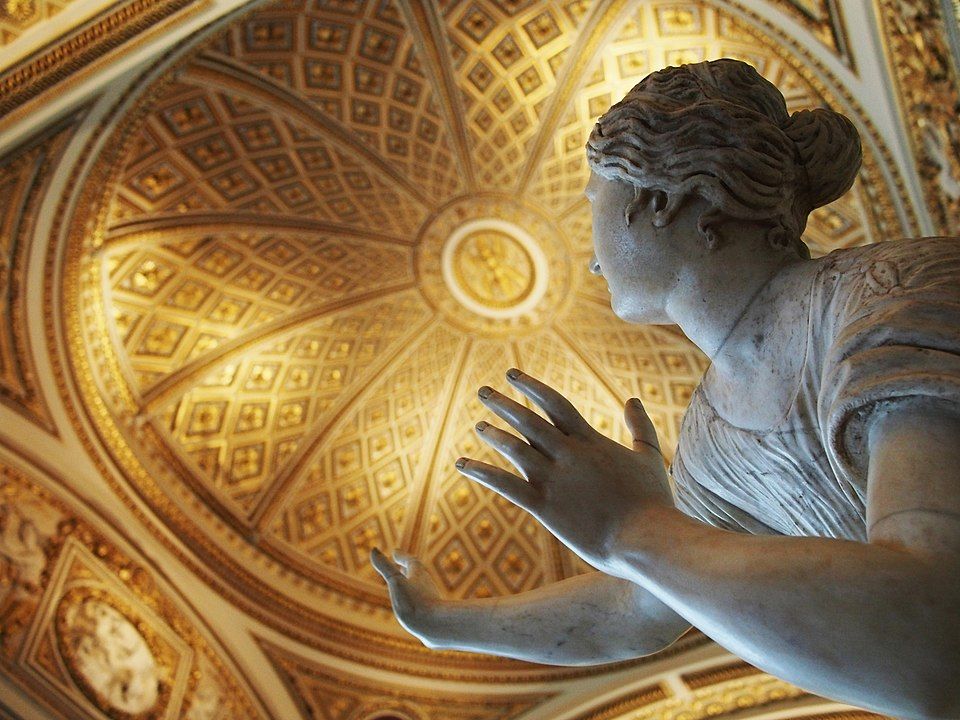
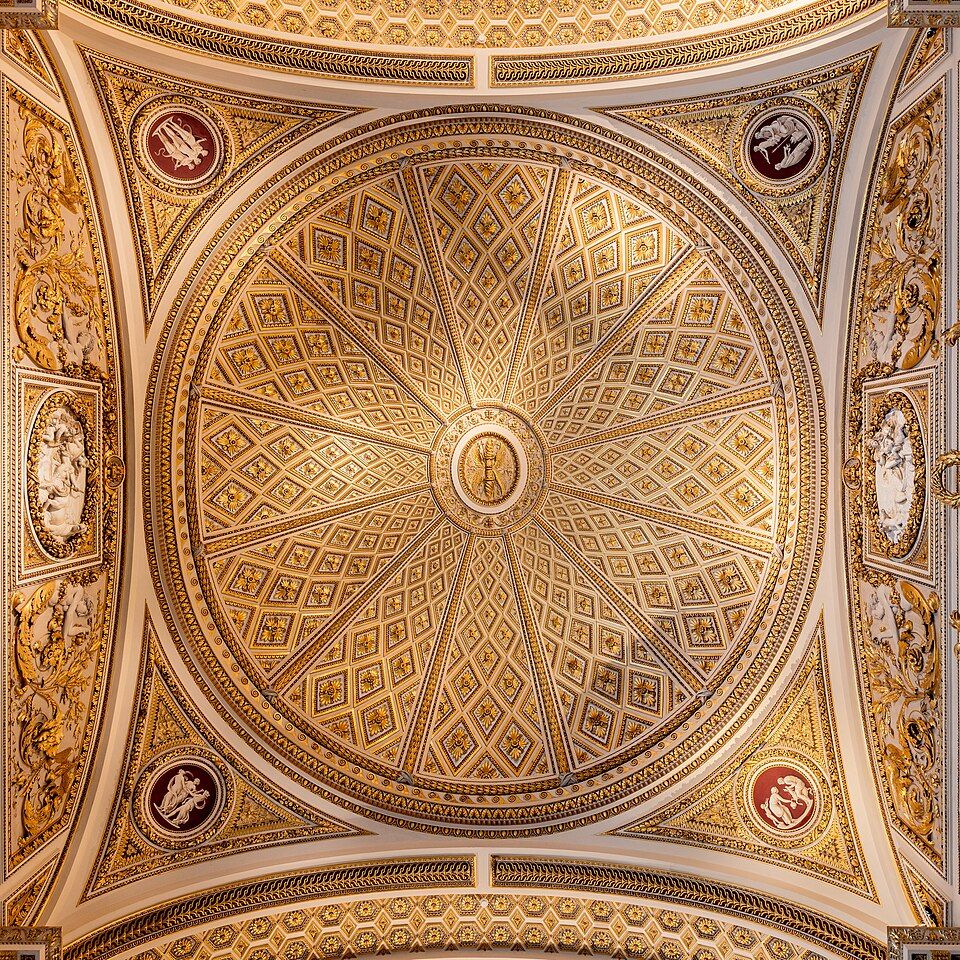
"The Uffizi Gallery in Florence is one of the oldest and most important art museums in the world, establishe..."

Highlights

  • 1Holds the world's greatest collection of Italian Renaissance painting from the 13th to 17th centuries
  • 2Room 2 contains the three Maestà paintings by Cimabue, Duccio, and Giotto — the origin
  • 3story of Western painting Botticelli's Birth of Venus and Primavera, Leonardo's Annunciation, and Caravaggio's works
  • 4are here 4-5 million visitors per year — one of the most visited museums in
  • 5the world Founded by the Medici in 1581 as one of the world's first purpose-built

Getting There

📍

Address

Piazzale degli Uffizi, 6, 50122 Firenze FI, Italy

🗺

Directions

The Uffizi is on the Piazzale degli Uffizi, steps from the Ponte Vecchio and Piazza della Signoria. From Florence Santa Maria Novella station: 25-minute walk or bus C3/C2. Pre-booking is strongly recommended.

Open in Google Maps

Timings

Current time — Rome Time (CET)

--:--:--

WhenHours
Gallery8:15 AM - 6:50 PM
Tue-Sun (closed Mondays) Extended summer evenings Check uffizi.it for current schedule Pre-booking online strongly recommended. Crowds peak mid-morning at Botticelli rooms; early morning (8:15 AM

) or late afternoon (after 4 PM) are less congested. Allow 2-3 hours for core highlights.

Masses & Events

Timed Entry

Multiple daily slots

book at uffizi.it — Most reliable way to guarantee entry

Guided Tours

Private and group tours in multiple languages

Specialist art historical commentary available

Night Openings

Selected evenings in summer

Less crowded; particularly beautiful light in the gallery at dusk

Must See

1

Room 2

The Three Maestà

Early Italian painting galleries Three paintings, three artists, one generation: Cimabue's Santa Trinita Madonna (c. 1290), Duccio's Rucellai Madonna (c. 1285), and Giotto's Ognissanti Madonna (c. 1310). Cimabue maintains Byzantine flatness; Duccio softens it; Giotto gives Mary a throne with depth, a garment with weight, and a figure with human presence. Standing in this room is to witness the birth of representational painting.

2

Botticelli Rooms

Rooms 10-14 The Birth of Venus and Primavera

both painted in the 1480s — hang on opposite walls. The crowd before them is always large. Both began as secular mythological allegories for a Medici villa; both have become, over five centuries, images before which people stand in something close to adoration.

3

The quality of Botticelli's line

the hair, the drapery, the water

rewards extended looking.

4

Leonardo's Annunciation

Room 35 Leonardo's early masterpiece (c. 1472), painted when he was around 20. The angel's wings are those of a real bird, studied and observed. The Virgin's posture of response is more natural and more human than any earlier Annunciation. The painting shows Leonardo's lifelong fusion of scientific observation and sacred subject.

5

Caravaggio Room

Room 90 The Sacrifice of Isaac and Medusa are the Uffizi's Caravaggio holdings.

6

The Isaac

showing the moment Abraham is arrested by an angel as he raises his knife above his terrified son

has a directness and urgency utterly different from anything in the preceding galleries. Everything changed when Caravaggio arrived.

7

The Vasari Corridor View

From the west corridor window [OUTDOOR] The Uffizi's long west corridor offers views over the Arno, the Ponte Vecchio, and the hills beyond Florence. In the late afternoon, when the light on the water turns gold and the cypress-lined hills go dark blue, this is one of the most beautiful views in Tuscany.

Intentions

Carry these intentions into the Basilica with you — pause at each sacred spot and lift them to God.

🙏

For the artists who devoted their lives to representing the sacred in paint

🙏

For Florence and for Tuscany, which gave the world so much beauty

🙏

For the Medici, who collected and preserved this heritage

🙏

For those who study sacred art as a form of theological reflection

🙏

For those who experience reverence in a museum and confusion in a church

🙏

For the convergence of beauty, truth, and devotion

🙏

For scholars, curators, restorers, and those who give their lives to preservation

🙏

For those who have been changed by a painting

Reflection

Giotto learned to paint from Cimabue. We know this because Vasari says so, and because when you look at Cimabue's Madonna and then at Giotto's Madonna, you see the distance between teacher and student crossed in a single generation. Cimabue gives you an icon. Giotto gives you a mother. Both are true. One leads the eye upward. The other brings the divine downward. The history of sacred art is the history of that negotiation — between the transcendent and the incarnate, between the golden and the human.

Suggested Scripture — John 1:14

The Word became flesh and made his dwelling among us.

Read in full on Bible Gateway →

A Pilgrim's Prayer

Lord who became visible — who let yourself be seen, touched, depicted, and painted for two thousand years in every style from Cimabue to Caravaggio — let me see you in this gallery. Let the attention that great art demands be itself a form of prayer. Let me look long enough at a single face until I recognise the face beneath it. Amen.

More

The Uffizi Gallery in Florence is one of the oldest and most important art museums in the world, established by the Medici family in 1581 as a public viewing gallery for their collections. Its holdings of early Italian Renaissance painting are without equal: Botticelli’s Birth of Venus and Primavera, Giotto’s Ognissanti Madonna, Cimabue’s Santa Trinita Madonna, Duccio’s Rucellai Madonna, Leonardo’s Annunciation, Caravaggio’s Sacrifice of Isaac — and hundreds of other masterworks occupying the long U-shaped gallery overlooking the Arno.

A Walk Through Sacred Art

For Christian pilgrims and art pilgrims, the Uffizi offers an incomparable walk through the development of sacred art from Byzantine icon painting through the Gothic period to the High Renaissance. Room 2 alone — containing the three great Madonnas in Majesty (Maestà) by Cimabue, Duccio and Giotto, painted within a generation of each other around 1300 — encapsulates the entire revolution in how the Christian West learned to represent the human figure. The transition from Cimabue to Giotto across that single room is the story of Western art in miniature.

Secular and Sacred

Botticelli’s Birth of Venus and Primavera, now in Rooms 10–14, began as secular mythological paintings but have become, over five centuries, objects of something approaching pilgrimage. The crowds that form before them are as reverent as any before a religious image — which raises the question of what exactly distinguishes secular from sacred pilgrimage.

Key Facts

Type
Museum
Region
Italy / Vatican
Location
Florence, Italy

Open in Google Maps

Piazzale degli Uffizi, 6, 50122 Firenze FI, Italy

🙏

Pilgrim's Note

We encourage all visitors to enter in a spirit of prayer and respect for the faith traditions of each place.